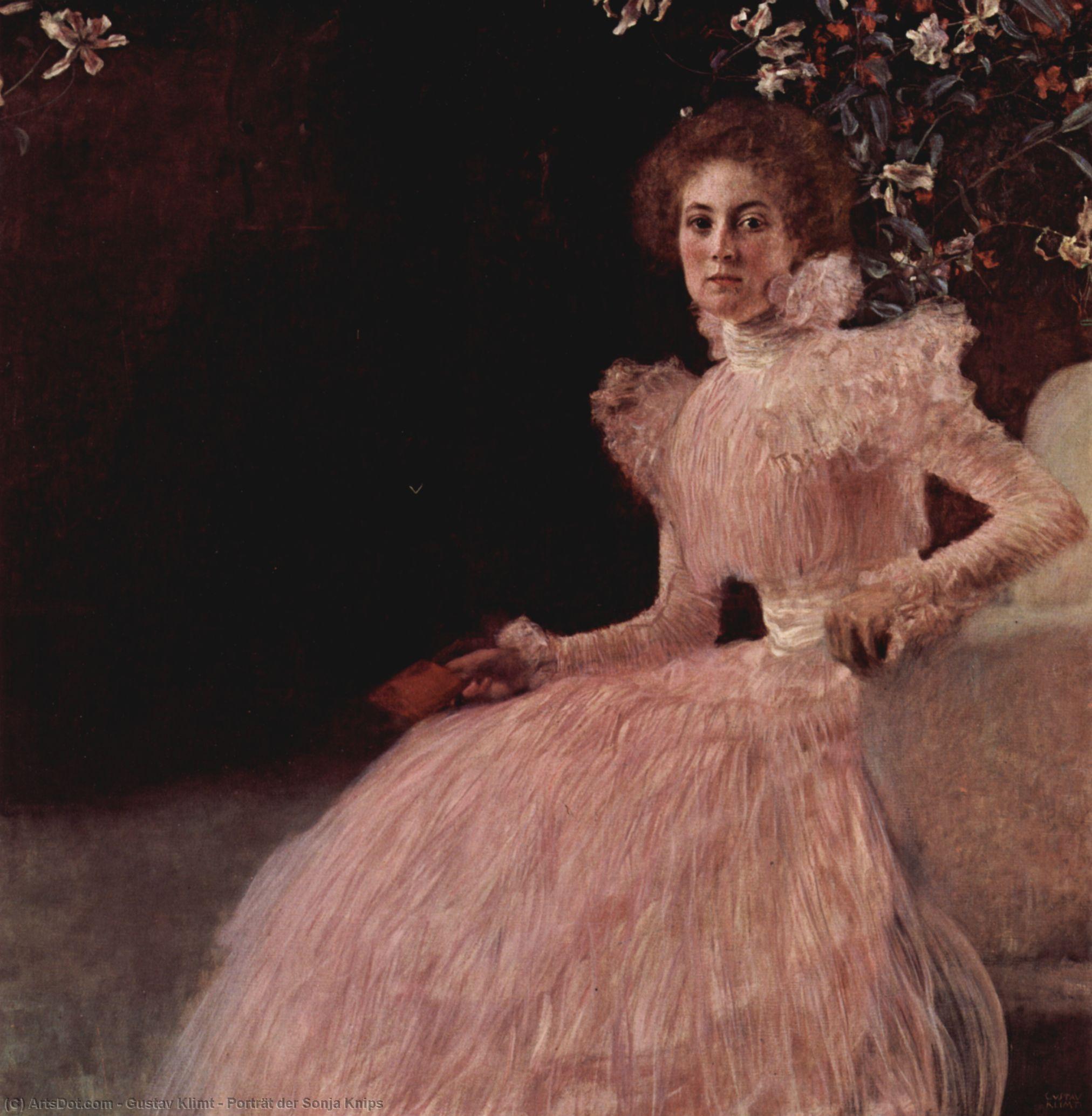
Porträt der Sonja Knips: A Glimpse into Klimt's Mature Style
The Porträt der Sonja Knips by Gustav Klimt is more than just a portrait; it’s a captivating window into the artist's evolving style and his profound appreciation for female beauty. Created between 1904 and 1907, this work exemplifies Klimt's mature period within the Vienna Secession movement, showcasing his innovative blend of figuration, abstraction, and symbolic motifs.
The Artist: Gustav Klimt – A Pioneer of Modern Art
Gustav Klimt (1862-1918) stands as a towering figure in Austrian art history. As a leading member of the Vienna Secession, he challenged traditional artistic conventions and pioneered a new aesthetic that celebrated sensuality, symbolism, and decorative richness. His work explored themes of psychology, philosophy, and the human condition, often featuring intricate patterns, vibrant colors, and a distinctive focus on the female form. Klimt's legacy extends beyond his paintings; he was also a significant contributor to the Wiener Werkstätte (Vienna Workshops), advocating for a synthesis of art, craft, and design.
The Subject: Sonja Knips – A Muse and Patron
Sonja Knips was not merely a subject but a close friend and generous patron of Gustav Klimt. Her support allowed him the freedom to explore his artistic vision. She sat for several portraits by the artist, solidifying their relationship and providing Klimt with an ideal model to express his evolving aesthetic. The Porträt der Sonja Knips serves as a testament to this friendship and Klimt's admiration for her character and presence.
Decoding the Painting: Style, Technique, and Symbolism
The Porträt der Sonja Knips is characterized by Klimt’s signature style – a harmonious fusion of realistic representation and decorative abstraction. The portrait depicts Knips in an elegant gown, her gaze direct and engaging. She sits poised against a backdrop adorned with stylized floral patterns and geometric shapes, creating a visually rich and layered composition.
- Color Palette: Klimt employs a sophisticated palette of soft pinks, creams, and golds, lending the portrait an air of warmth and intimacy. The subtle gradations in color create depth and dimension, enhancing the subject's presence.
- Ornamentation: The intricate ornamentation surrounding Knips is not merely decorative; it’s laden with symbolic meaning. The floral motifs may represent fertility and growth, while the geometric shapes could symbolize order and structure. These elements contribute to the painting's overall sense of harmony and balance.
- Technique: Klimt masterfully combines oil paint with gold leaf, a technique that became synonymous with his "Golden Phase." The shimmering gold accents add a touch of opulence and elevate the portrait to a realm of timeless beauty.
Emotional Impact and Legacy
The Porträt der Sonja Knips evokes a sense of quiet dignity and understated elegance. Klimt captures not only Knips' physical likeness but also her inner strength and intelligence. The painting’s enduring appeal lies in its ability to resonate with viewers on an emotional level, inviting contemplation and appreciation for the beauty of both art and humanity.
Owning a hand-painted reproduction of Porträt der Sonja Knips allows you to bring a piece of Viennese Secession history into your home. It's a statement of refined taste and an investment in timeless artistic excellence.