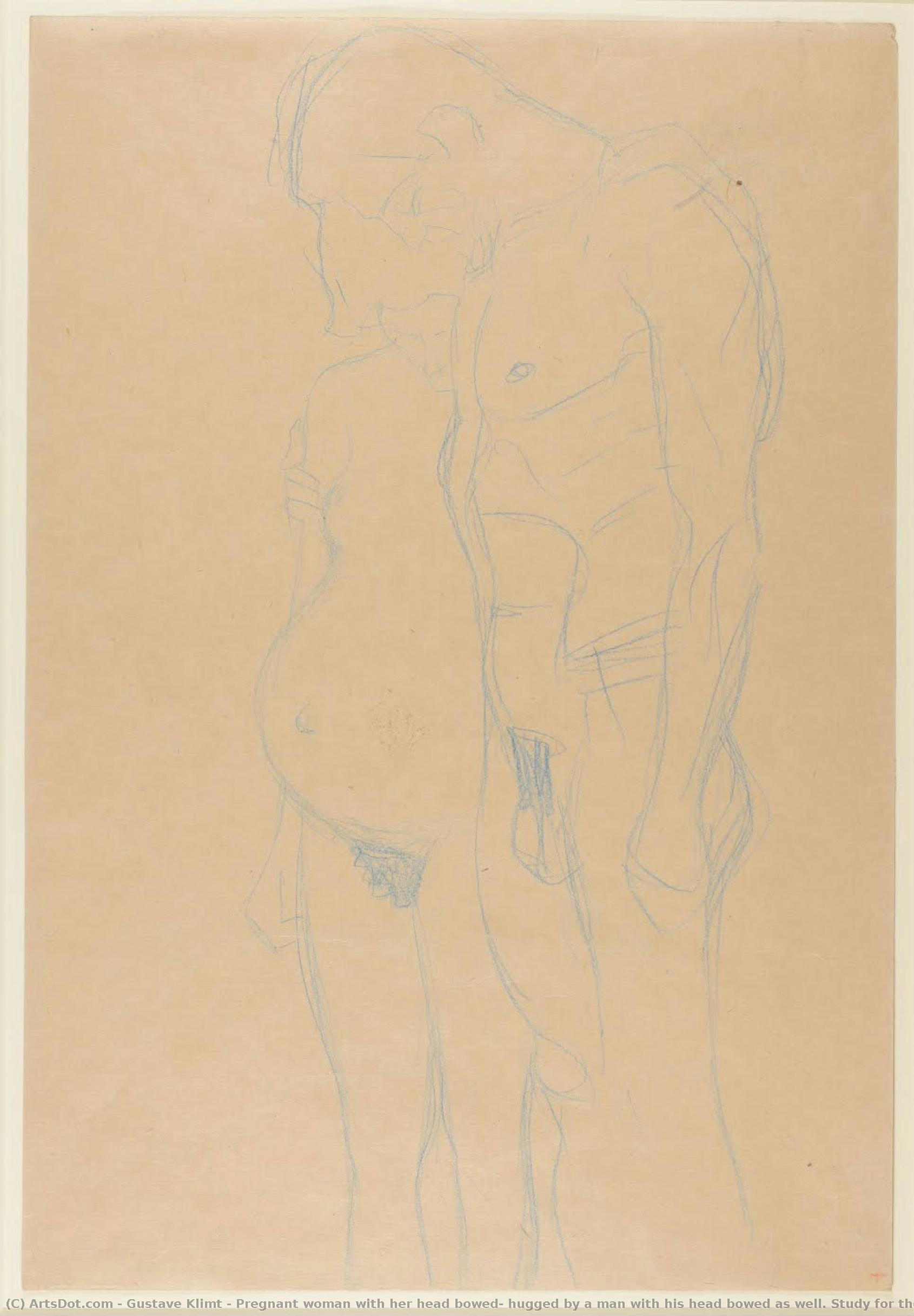
A Symphony in Ochre and Azure – Exploring Klimt’s “The Kiss”
Gustav Klimt’s “The Kiss,” completed in 1907-1908 during his Golden Phase, stands as arguably the most iconic image of Art Nouveau. More than just a depiction of romantic love, it's a meticulously crafted exploration of duality – masculine and feminine, earthly and divine – rendered with unparalleled textural richness.
Style & Technique: The Alchemy of Gold Leaf
Klimt’s signature style is instantly recognizable through his masterful use of gold leaf appliqué. This technique, borrowed from Byzantine mosaics and Islamic ornamentation, elevates the painting beyond mere representation into a shimmering tapestry of light and color. He employs oil paint layered upon canvas, creating an impasto surface that captures the palpable warmth of the figures' embrace. The intricate patterns surrounding them—floral motifs interwoven with geometric shapes—are executed with painstaking detail using tempera paints and colored wax.
Historical Context: Vienna’s Belle Époque
"The Kiss" emerged from Vienna during its Belle Époque – a period of unprecedented artistic flourishing fueled by imperial patronage and intellectual ferment. Klimt was at the forefront of a movement challenging academic conventions, embracing Symbolism alongside Art Nouveau aesthetics. The painting reflects anxieties about societal change and celebrates idealized notions of beauty and intimacy amidst a backdrop of political instability.
Symbolism: Layers of Meaning Beyond Romance
Beyond its romantic portrayal, “The Kiss” is laden with symbolic significance. The golden cloak enveloping the woman represents purity and spiritual transcendence, contrasting sharply with the darker hues dominating the man’s robe – symbolizing earthly desires and masculine strength. The intertwined hands signify unity and connection, while the stylized roses adorning their garments symbolize fertility and passion. Klimt deliberately avoids explicit eroticism, instead conveying a profound emotional resonance rooted in universal themes of love, desire, and transformation.
Emotional Impact: Capturing Transient Beauty
"The Kiss" continues to captivate viewers with its evocative atmosphere and masterful execution. The painting’s shimmering gold leaf draws the eye inward, inviting contemplation on the complexities of human relationships. Klimt's ability to distill emotion into visual form—a moment frozen in time—solidifies “The Kiss” as a timeless masterpiece that speaks to our deepest aspirations for connection and beauty.