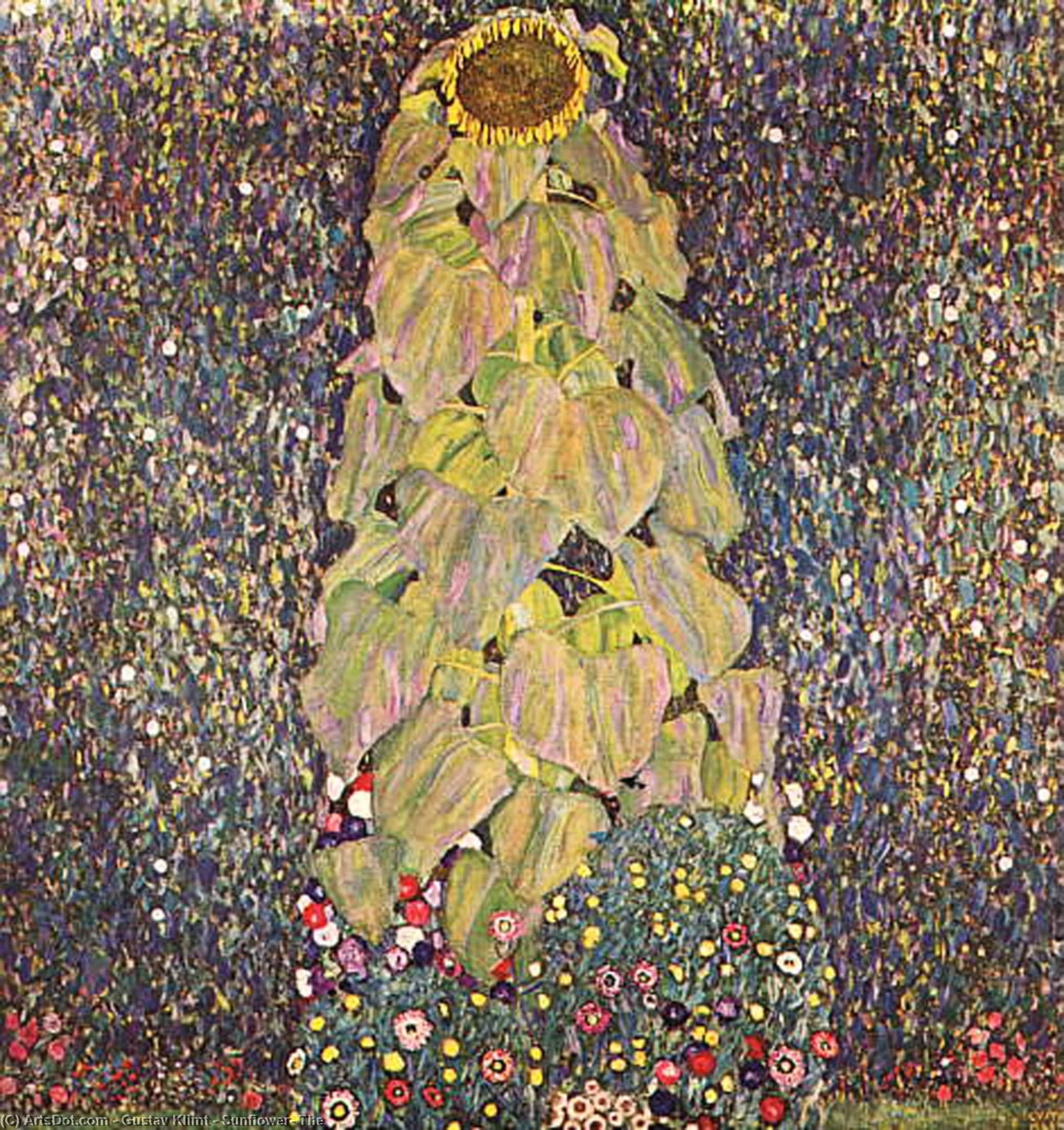
A Symphony of Bloom: Exploring Klimt’s Sunflower
Gustav Klimt's *Sunflower* (1906-07) is a captivating example of his unique artistic vision, blossoming from the fertile ground of Viennese Secession and Art Nouveau. This oil painting isn't merely a depiction of a flower; it’s an exploration of life’s fleeting beauty, rendered with Klimt’s signature blend of naturalism and decorative abstraction.
Style and Technique: A Golden Touch
The artwork exemplifies Klimt’s distinctive style, particularly his celebrated “golden phase.” While not as overtly gilded as some of his more famous works, the sunflower's center radiates with intricate patterns and a subtle luminosity reminiscent of Byzantine mosaics. Klimt employs an impressionistic approach to the petals, using broken brushstrokes and vibrant yellows that convey both energy and fragility. The technique is characterized by *impasto* – thick layers of paint applied with deliberate texture – creating a tactile quality that invites close inspection. The dark background serves not as emptiness but as a dramatic foil, intensifying the flower’s radiant presence.
Symbolism: Life, Death, and Regeneration
Sunflowers held particular significance for Klimt, frequently appearing in his work as potent symbols. They represent adoration, longevity, and – perhaps most profoundly – the cyclical nature of life and death. The sunflower's bloom is at its peak, a moment of glorious beauty destined to fade, prompting contemplation on mortality. The intricate patterns within the flower’s core can be interpreted as representing the seeds of future generations, hinting at themes of regeneration and continuity.
It’s a poignant meditation on the ephemeral nature of existence.
Historical Context: The Vienna Secession
Klimt was a leading figure in the Vienna Secession movement, a group of artists who rebelled against the conservative artistic establishment of Austria-Hungary. The Secessionists sought to create a “total work of art” (*Gesamtkunstwerk*) that integrated painting, sculpture, and decorative arts. *Sunflower* embodies this spirit through its emphasis on ornamentation, symbolism, and innovative use of materials. Klimt’s rejection of academic conventions paved the way for new artistic expressions and profoundly influenced the development of modern art.
Emotional Impact: A Moment of Contemplation
The painting evokes a sense of quiet contemplation. The density of the composition, combined with the rich textures and symbolic imagery, creates an immersive experience. While vibrant in color, there’s also a melancholic undercurrent – a recognition of beauty's transience.
It is a work that invites viewers to pause, reflect, and appreciate the delicate balance between life and decay.
Collecting & Reproduction
- Discover the captivating world of Art Nouveau and its lasting influence on art history.
- Explore the deeper symbolism behind Klimt’s recurring sunflower motif.
- Visit the Royal Museums of Fine Arts of Belgium, Brussels to experience Klimt's masterpieces firsthand.
For those seeking to bring this iconic artwork into their space, high-quality hand-made oil painting reproductions are available. These meticulously crafted replicas capture the essence and beauty of Klimt’s original vision, allowing you to enjoy a timeless masterpiece in your own home or office.