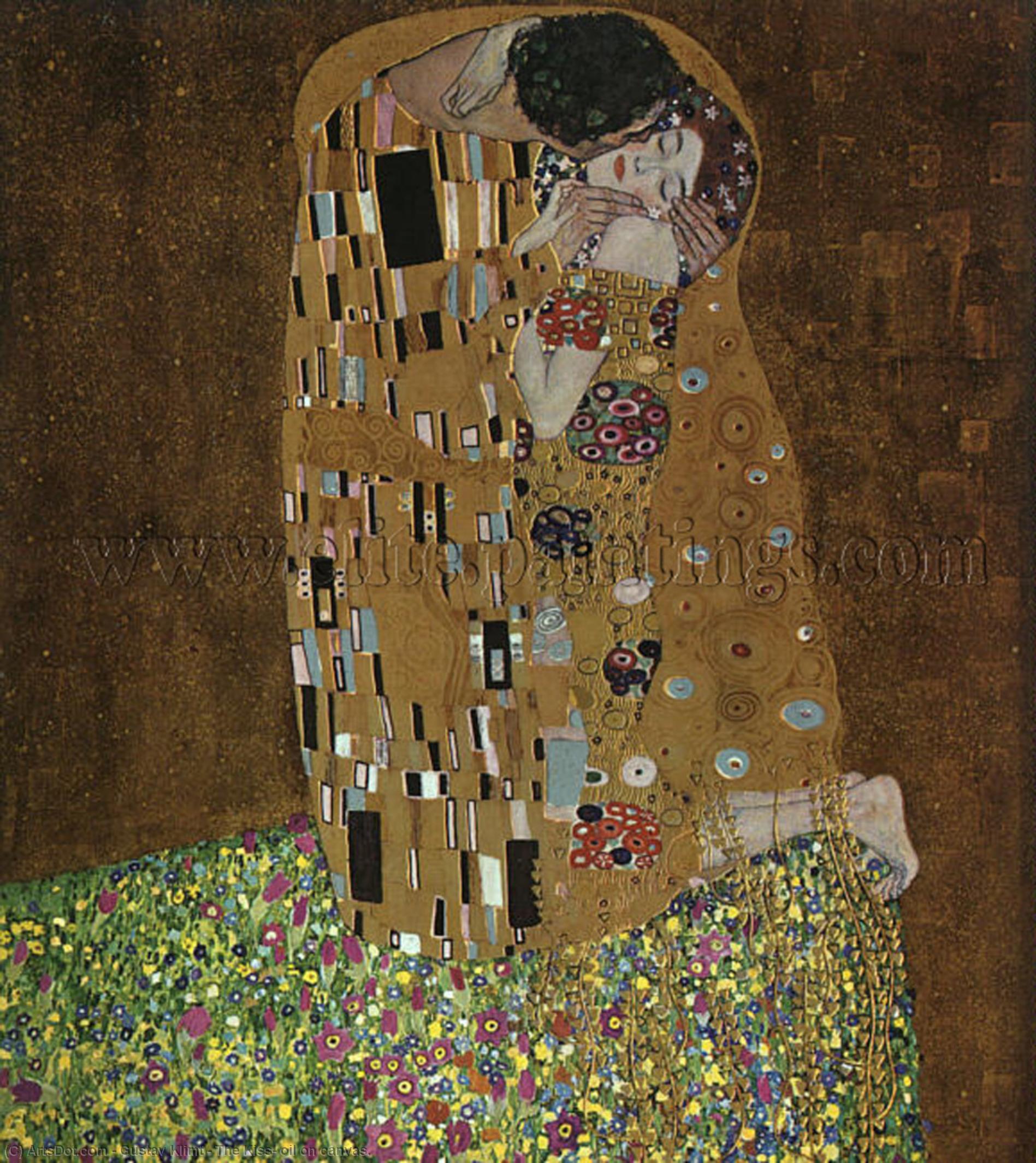
The Kiss - Gustav Klimt: A Symphony of Gold and Desire
Gustav Klimt’s “The Kiss” transcends mere depiction; it embodies the very essence of Art Nouveau, capturing a moment of profound intimacy infused with mythological grandeur. Painted in 1908 during Klimt's prolific "Golden Epoch," this monumental oil on canvas resides at the Österreichische Galerie Belvedere in Vienna—a testament to its enduring fascination and artistic significance. The painting’s genesis lies in Klimt’s pilgrimage to Ravenna, where he encountered Byzantine mosaics that profoundly influenced his compositional vision. He sought to distill the timeless beauty of these sacred images into a secular exploration of love and human connection.
- Composition: Klimt meticulously arranges figures—a man and woman embracing—creating a harmonious balance between masculine strength and feminine vulnerability. The positioning of their faces, tilted towards each other in an almost reverent gesture, underscores the central theme of devotion.
- Technique: Klimt’s mastery lies in his innovative application of gold leaf—a technique borrowed from Byzantine iconography—which dominates the canvas surface. This shimmering material isn't merely decorative; it symbolizes divine illumination and elevates the scene to a realm beyond earthly perception. Beneath the gold, Klimt employs intricate patterns derived from Celtic spirals and Egyptian motifs, reflecting Klimt’s fascination with ancient cultures.
Symbolism: Mythological Echoes of Eternal Love
“The Kiss” is replete with symbolic references that delve into universal themes—passion, spirituality, and the transformative power of intimacy. The woman's draped robes evoke images of Isis and Osiris—Egyptian deities representing resurrection and divine protection—suggesting a belief in an afterlife where love prevails. Similarly, Klimt incorporates Celtic spirals—representing eternity and interconnectedness—to reinforce the notion that this embrace transcends temporal boundaries. The golden hues symbolize enlightenment and purity, mirroring Klimt’s desire to portray love as a transcendent experience.
- Color Palette: Klimt utilizes a restrained palette dominated by reds, golds, and browns—colors associated with passion, warmth, and fertility. These hues are juxtaposed against the cool tones of the woman's robe, creating visual tension that mirrors the complexities of romantic relationships.
- Patterns: The intricate geometric patterns adorning Klimt’s figures serve as a counterpoint to the organic forms of the human bodies—representing order and harmony amidst chaos. These patterns are meticulously crafted using techniques honed during Klimt's early architectural commissions, demonstrating his unwavering commitment to precision and craftsmanship.
Emotional Impact: Capturing the Sublime Moment
“The Kiss” succeeds in conveying a palpable sense of longing—a yearning for connection that resonates deeply with viewers across generations. Klimt’s masterful depiction captures the sublime moment when two souls merge into one, achieving an idealized state of unity and bliss. The painting's luminous gold leaf casts an ethereal glow upon the figures, enhancing their beauty and imbuing them with a spiritual aura. It invites contemplation on the nature of love—its capacity for both ecstasy and vulnerability—leaving an indelible impression on anyone who encounters its captivating artistry.
Conclusion: An Icon of Modern Art
Gustav Klimt’s “The Kiss” remains an unparalleled achievement in Art Nouveau, cementing his legacy as one of the most influential painters of the early 20th century. Its enduring appeal stems from its masterful blend of technique—particularly gold leaf—symbolism—drawing upon mythology and ancient cultures—and emotional resonance—capturing the sublime beauty of human intimacy. As a centerpiece of the Belvedere’s collection, “The Kiss” continues to inspire artists and collectors alike—a timeless testament to Klimt's genius and Art Nouveau’s enduring fascination with transcendent ideals.
For those seeking to experience the splendor of Klimt’s masterpiece firsthand, ArtsDot offers exquisite handmade oil painting reproductions that faithfully recreate this iconic artwork.
https://ArtsDot.com