A Serene Vista: Unveiling Klimt’s ‘The Schloss Kammer on the Attersee, III’
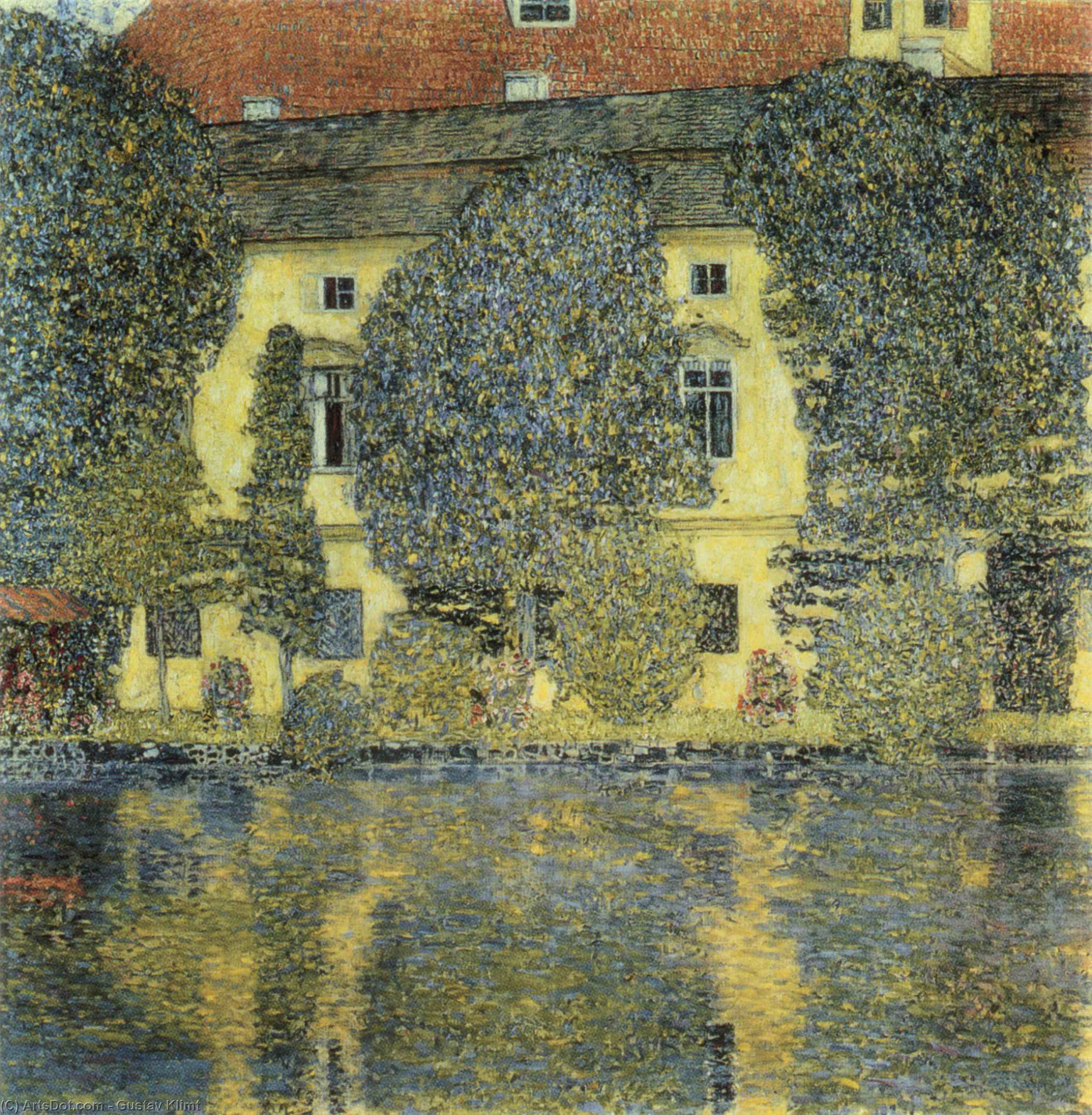
Gustave Klimt's 1910 masterpiece, *The Schloss Kammer on the Attersee, III*, is a captivating example of his landscape work and a pivotal piece within the Art Nouveau movement. Measuring 110 x 110 cm, this oil painting transcends a simple depiction of scenery; it’s an exploration of tranquility, reflection, and the harmonious relationship between nature and architecture.
Subject & Composition: A Lakeside Retreat
The artwork presents a picturesque scene centered around Schloss Kammer, a charming house nestled on the shores of Lake Attersee in Austria. The composition is deliberately balanced, with the building’s reflection dominating the foreground waters. A mature tree stands prominently before the house, partially obscuring it and adding depth to the view. Subtle figures are visible in the background, hinting at life within this idyllic setting, while a small boat on the lower left adds a touch of human presence and scale. The overall effect is one of peaceful seclusion and harmonious integration with the natural world.
Artistic Style & Technique: Pointillism Meets Symbolism
Klimt’s distinctive style shines through in this work, though it diverges from his more famous gilded portraits. Here, he employs a modified pointillist technique – applying small dots and dashes of color to build up form and texture. This creates a shimmering effect, particularly noticeable in the water's reflection, lending an ethereal quality to the scene. While rooted in Impressionism, Klimt infuses the landscape with symbolic elements characteristic of his oeuvre. The geometric shapes of the architecture are softened by organic lines representing foliage, demonstrating a deliberate balance between human construction and natural forms. The use of color is also key; warm yellows and greens dominate, evoking feelings of warmth and serenity, contrasted by cooler blues in the water and sky.
Historical Context & The Vienna Secession
Created during Klimt’s mature period, *The Schloss Kammer on the Attersee, III* reflects his evolving artistic interests beyond portraiture. As a leading figure of the Vienna Secession – an artistic movement that rejected traditional academic styles in favor of innovative and expressive forms – Klimt sought to create art that was both beautiful and meaningful. This painting exemplifies this pursuit, showcasing his ability to capture the essence of a landscape while imbuing it with symbolic resonance. The Attersee region became a favored retreat for Klimt, providing inspiration for numerous landscapes during this period, representing a shift towards more naturalistic subjects.
Symbolism & Emotional Impact: A Reflection on Modern Life
Beyond its aesthetic appeal, the painting invites contemplation of deeper themes. The reflection in the water can be interpreted as a symbol of introspection and the duality of reality. The house itself represents shelter and domesticity, while the surrounding nature embodies freedom and untamed beauty. Some art historians suggest that Klimt’s landscapes during this time were a response to the anxieties of modern life, offering an escape into a world of idyllic tranquility. The painting evokes a sense of calm, peace, and longing – a desire for harmony between humanity and the natural world.
Collecting & Interior Design: Bringing Klimt's Serenity Home
*The Schloss Kammer on the Attersee, III* is not only a significant work of art historical importance but also a beautiful addition to any collection or interior space. Its serene color palette and balanced composition make it suitable for various settings – from modern living rooms to tranquil bedrooms. A high-quality reproduction allows you to experience Klimt’s vision firsthand, adding a touch of elegance and sophistication to your home. The painting's horizontal format lends itself well to larger wall spaces, creating a focal point that invites contemplation and relaxation.
Further Exploration: Klimt’s Notable Works
- Portrait of Serena Lederer: A stunning example of Klimt’s portraiture style, showcasing his use of decorative patterns and symbolic imagery.
- Portrait of Helene Klimt: A captivating depiction of the artist's mother, revealing a more intimate side of Klimt’s artistic expression.
- Tree of Life, model for the Stoclet Frieze: A breathtaking example of Klimt’s decorative work, demonstrating his mastery of pattern and symbolism on a grand scale.