A Study in Intimacy: Gustav Klimt's "Water Snakes"
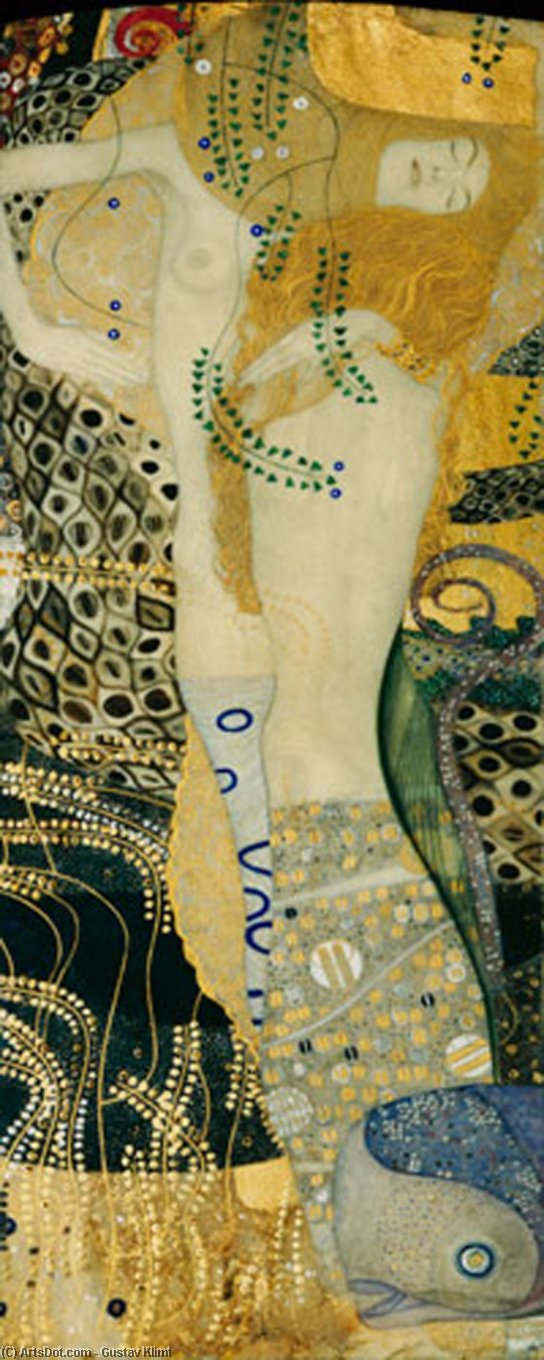
Gustav Klimt’s 1904 painting, “Water Snakes,” is more than just a depiction of two women in a bedroom; it’s a meticulously crafted exploration of female intimacy, opulent beauty, and the subtle anxieties simmering beneath a veneer of luxury. Painted during Klimt's "Golden Phase," a period characterized by his increasingly elaborate use of gold leaf and symbolic ornamentation, this work exemplifies the artist’s fascination with the human form and his ability to imbue everyday scenes with profound emotional resonance. The scene unfolds within a richly decorated room, suggesting a private sanctuary—a space both alluring and potentially fraught with unspoken desires.
- Subject Matter: The painting centers on two women – one reclining on a luxurious bed, the other standing attentively beside her. Their postures and gazes invite speculation about their relationship and the dynamics of their encounter.
- Style & Technique: Klimt’s signature style is immediately apparent in the lavish application of gold leaf, creating shimmering surfaces that evoke a sense of dreamlike beauty. The painting employs flattened perspective and decorative patterns characteristic of Art Nouveau, emphasizing surface decoration over realistic representation. The use of strong outlines and bold colors further contributes to the work's dramatic effect.
Symbolism and the Golden Phase
“Water Snakes” is deeply rooted in Klimt’s exploration of symbolism during his Golden Phase. The recurring motif of snakes, often interpreted as representing sexuality, fertility, and transformation, subtly permeates the composition. Their presence isn't overt; rather, they are suggested through the swirling patterns of gold leaf and the overall sense of contained energy within the room. The bed itself, draped with a rich canopy, symbolizes comfort, rest, and potentially, vulnerability. The vases, strategically placed as decorative elements, could represent offerings or symbols of beauty – further reinforcing the painting’s opulent aesthetic.
- Gold Leaf: Klimt's extensive use of gold leaf was not merely decorative; it represented a spiritual connection to ancient cultures and a desire to elevate the mundane into something sacred.
- Geometric Patterns: The intricate geometric patterns, reminiscent of Byzantine mosaics, reflect Klimt’s interest in historical art forms and his ambition to create works that were both modern and timeless.
Historical Context & Emotional Impact
Created at the cusp of the 20th century, “Water Snakes” reflects the changing social landscape of Vienna during this period. Klimt’s work engaged with themes of sexuality, gender roles, and the anxieties surrounding modernity – concerns that were increasingly prevalent in artistic circles. The painting's emotional impact is undeniably powerful, evoking a sense of mystery, sensuality, and perhaps even unease. It invites viewers to contemplate the complexities of human relationships and the hidden currents beneath the surface of appearances. This piece stands as a testament to Klimt’s genius, showcasing his ability to create works that are both visually stunning and profoundly thought-provoking.
- Art Nouveau Influence: The painting aligns with the broader Art Nouveau movement, which emphasized organic forms, flowing lines, and decorative elements.
- Vienna Secession: Klimt was a key figure in the Vienna Secession, an artistic group that challenged the conservative academic art establishment of the time.