A Glimpse of Victorian Reverie
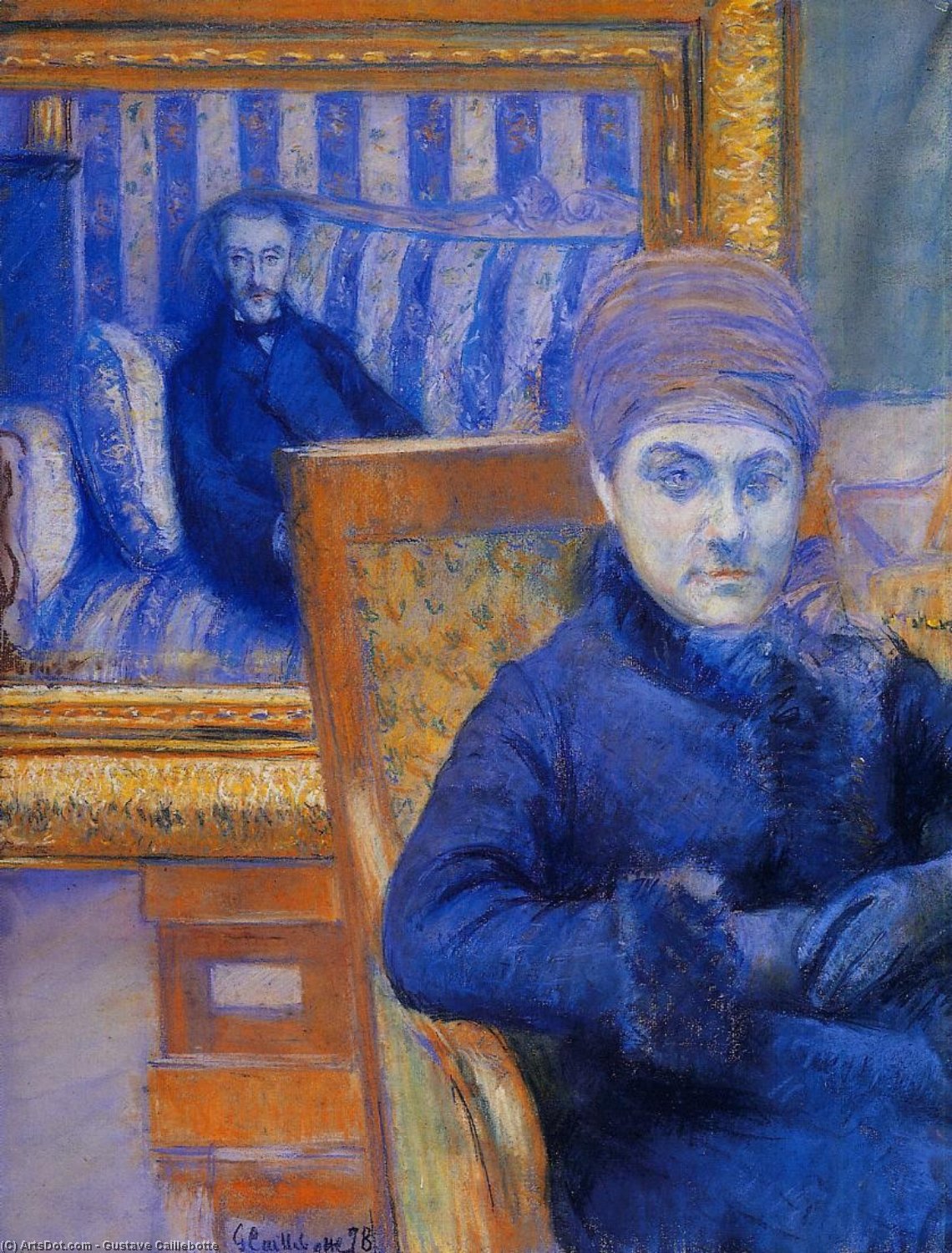
This captivating artwork transports the viewer directly into the heart of Victorian England – a period defined by both opulent grandeur and quiet introspection. The central figure, a woman rendered in meticulous detail, embodies the era’s fascination with feminine beauty and spiritual contemplation. Her posture, slightly turned towards the viewer, suggests a gentle awareness, inviting us to share in her silent thoughts.

The Art of Caillebotte: Impressionistic Precision
Executed with remarkable technical skill, this piece exemplifies the burgeoning realism and attention to detail characteristic of Gustave Caillebotte’s work. Caillebotte was a pioneer in capturing fleeting moments and textures with an almost photographic precision – a technique heavily influenced by his early explorations with photography. Note the subtle layering of paint, creating a rich depth of color and form. The artist skillfully employs broken brushstrokes, a hallmark of Impressionism, to capture the play of light and shadow on the woman’s garments and skin, lending a sense of movement and vitality to the scene.
Historical Context: A Nation in Transition
Created in 1878, this artwork reflects the significant social and artistic shifts occurring in France during the Second Empire. The Victorian era was marked by rapid industrialization, urbanization, and a growing interest in scientific inquiry – yet also a deep yearning for spiritual solace and aesthetic beauty. Caillebotte’s choice to depict a woman in such a contemplative pose speaks to this duality, suggesting a desire for inner peace amidst the external chaos of the age. The muted color palette—dominated by browns, greens, and creams—reflects the prevailing artistic trends of the time, moving away from the bright, saturated colors of Romanticism.
Symbolic Resonance: Quiet Contemplation
Beyond its aesthetic qualities, the artwork is rich in symbolic meaning. The woman’s veiled head suggests a connection to religious or spiritual beliefs – a common theme in Victorian art and literature. The muted lighting and somber colors evoke a sense of melancholy and introspection, inviting viewers to contemplate themes of mortality, faith, and the human condition. The simple setting—a modestly furnished room—further emphasizes the woman’s internal world, suggesting that true beauty and wisdom reside within.