Gustave Caillebotte (1848-1894): Discover the realist & Impressionist paintings of Parisian life by this French master, known for 'Paris Street; Rainy Day' and unique perspectives.
Discover the Musée d'Orsay in Paris! Housed in a stunning former railway station, explore an unparalleled collection of Impressionist & Post-Impressionist masterpieces by Monet, Van Gogh & more.
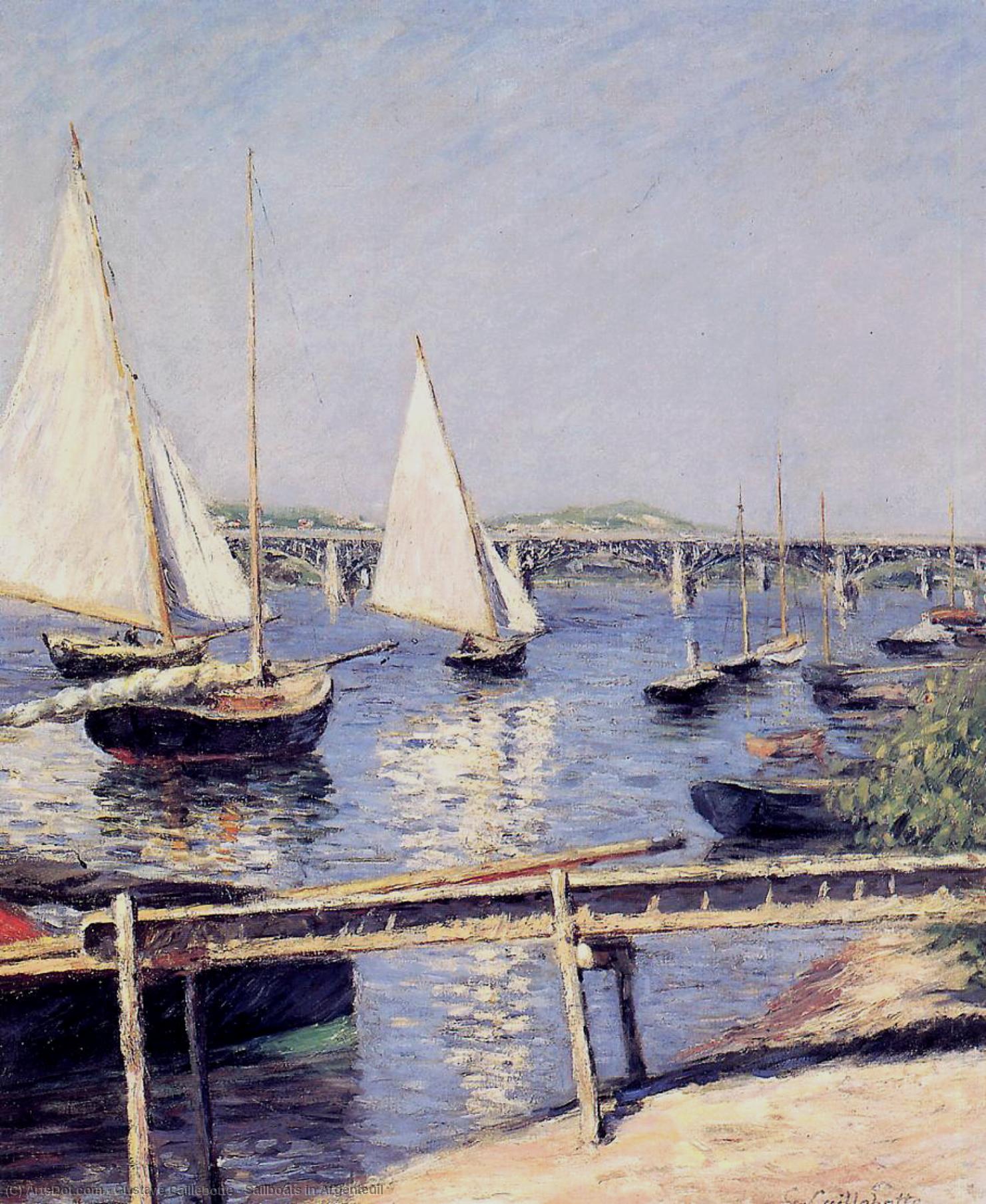
A Snapshot of Parisian Leisure: Gustave Caillebotte’s Sailboats in Argenteuil
Gustave Caillebotte's “Sailboats in Argenteuil,” painted in 1888, isn’t merely a depiction of a picturesque riverside scene; it’s a profound reflection on the burgeoning spirit of Impressionism and the evolving social landscape of Belle Époque Paris. Captured with remarkable precision—a testament to Caillebotte's mastery of photographic principles—the canvas transports us back to a sunny afternoon along the Seine, offering an intimate glimpse into the leisure activities enjoyed by Parisian artists and intellectuals during this transformative period.
The Impressionistic Vision: Light and Atmosphere
Caillebotte’s stylistic approach aligns perfectly with the core tenets of Impressionism. Rejecting academic conventions favoring detailed realism, he prioritized capturing fleeting moments of light and color—a technique heavily influenced by his fascination with photography. Observe how Caillebotte skillfully blends brushstrokes to create an ethereal haze that softens the contours of the boats and sky, prioritizing atmospheric perspective over meticulous detail. The muted palette – dominated by blues and greens – reinforces this sense of tranquility and immediacy, mirroring the sensory experience of witnessing a vibrant summer day.
Technical Brilliance: Observation and Composition
The painting’s compositional arrangement is equally noteworthy. Caillebotte meticulously positioned himself in the lower left corner, subtly incorporating his presence into the scene as if observing the activity unfolding before him. This unconventional technique—characteristic of Impressionist artists—was revolutionary at the time, prioritizing artistic expression over strict adherence to traditional rules. Furthermore, he employed a pyramidal structure, guiding the viewer’s eye upwards towards the luminous sky and emphasizing the grandeur of nature amidst urban life. The artist's careful attention to detail is evident in the rendering of the boats’ textures – particularly the sails – conveying a palpable sense of movement and dynamism.
Historical Context: Argenteuil and Artistic Circles
“Sailboats in Argenteuil” holds significant importance within the broader context of Impressionism’s emergence. The painting commemorates a boating excursion undertaken by Caillebotte and his friends—artists like Monet, Sisley, and Renoir—who sought inspiration from the natural beauty surrounding Paris. This idyllic setting served as a focal point for artistic experimentation, fostering discussions about capturing subjective experience and prioritizing sensory impressions over objective representation. It encapsulates the desire to portray not just what was seen but how it *felt*.
Symbolism of Tranquility and Renewal
Beyond its aesthetic qualities, “Sailboats in Argenteuil” carries symbolic resonance. The sailboats represent freedom, exploration, and a connection with the natural world—values that were particularly appealing during the Victorian era’s anxieties about industrialization and urbanization. The serene atmosphere evokes feelings of peace and rejuvenation, mirroring the optimistic outlook prevalent among artists who embraced Impressionism as a means of expressing their belief in progress and beauty.
Emotional Impact: A Moment Frozen in Time
Ultimately, Caillebotte's masterpiece succeeds in conveying an emotional depth rarely achieved by earlier painters. The painting captures not just a visual record but also the spirit of a particular moment—a celebration of friendship, creativity, and the simple pleasures of life. It invites viewers to contemplate the beauty of everyday experiences and reminds us that art can transcend mere representation to evoke profound feelings of wonder and contemplation.