A Moment of Contemplation: Exploring Gustave Courbet’s “La Réflexion”
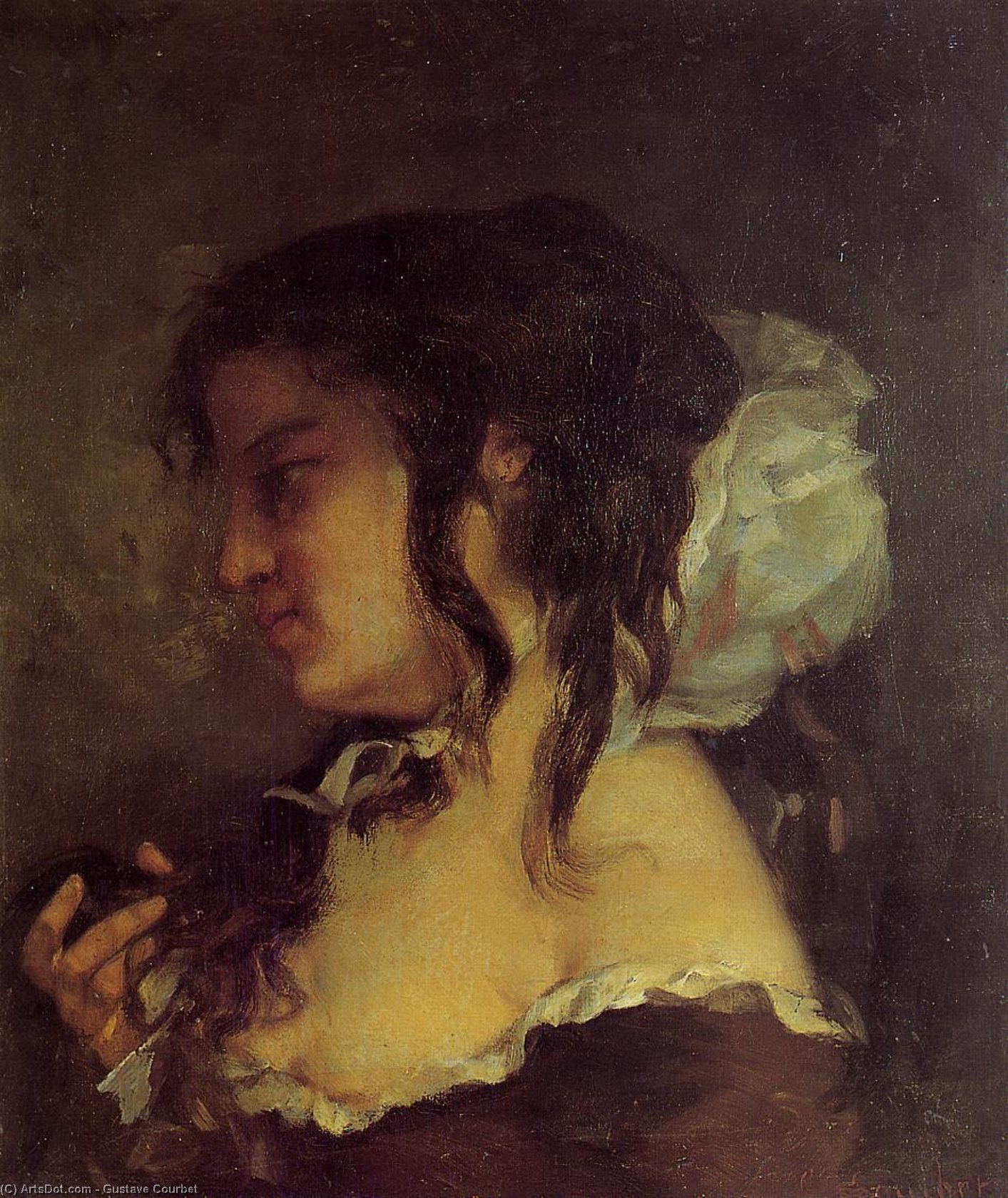
Gustave Courbet, a titan amongst Realist painters, didn't merely depict what he saw; he wrestled with how the world *felt*. His 1864 masterpiece, “La Réflexion,” or “Meditation,” embodies this ethos perfectly. Housed in the Musée de la Chartreuse in Douai, France, this unassuming portrait transcends its simple subject matter—a young woman gazing downwards at her hair—to deliver a profound meditation on stillness and introspection.
- Subject Matter: The painting centers around a solitary female figure, positioned from her left profile. Her gaze is directed downward, seemingly absorbed in contemplation of her own reflection – hence the title’s evocative duality.
- Style & Technique: Courbet's unwavering commitment to Realism shines through every brushstroke. He eschewed romantic embellishments and idealized beauty, opting instead for meticulous observation and unflinching honesty. The oil on canvas medium allows for subtle gradations of light and shadow, capturing the nuances of human emotion with remarkable precision.
- Historical Context: “La Réflexion” emerged during a pivotal moment in French art history—the ascendancy of Realism. Courbet actively challenged the academic conventions that dominated Parisian artistic circles, rejecting idealized depictions of classical subjects for scenes from everyday life. This painting stands as testament to his rebellious spirit and desire to portray reality without embellishment.
Decoding Symbolism: Beyond Appearance
More than just a portrait, “La Réflexion” operates on multiple symbolic levels. The woman’s downward gaze represents not merely vanity but a deliberate turning inward—a conscious effort to escape the distractions of the external world and reconnect with one's inner self. The reflection itself symbolizes introspection, reminding us that true understanding begins within.
- Color Palette: Courbet utilizes a muted color palette dominated by earthy tones – browns and greens – mirroring the natural setting and reinforcing the painting’s contemplative mood.
- Light & Shadow: The artist skillfully employs chiaroscuro, highlighting the woman's face while casting shadows across her dress, creating depth and emphasizing her emotional state.
Courbet’s Legacy: Influence and Relevance Today
"La Réflexion" isn't just a beautiful painting; it’s a cornerstone of Realist art and continues to resonate with audiences today. Courbet’s insistence on portraying the world as it is—warts and all—established a precedent for artists who followed him, paving the way for movements like Impressionism and Expressionism.