Explore the captivating Symbolist art of Gustave Moreau (1826-1898), famed for mythological & biblical paintings like 'Salome'. Influenced Matisse & Rouault. Discover his dreamlike world!
Explore Western art masterpieces at the National Museum of Western Art in Tokyo! Discover Renaissance to modern works by Monet & Van Gogh within a stunning Le Corbusier building.
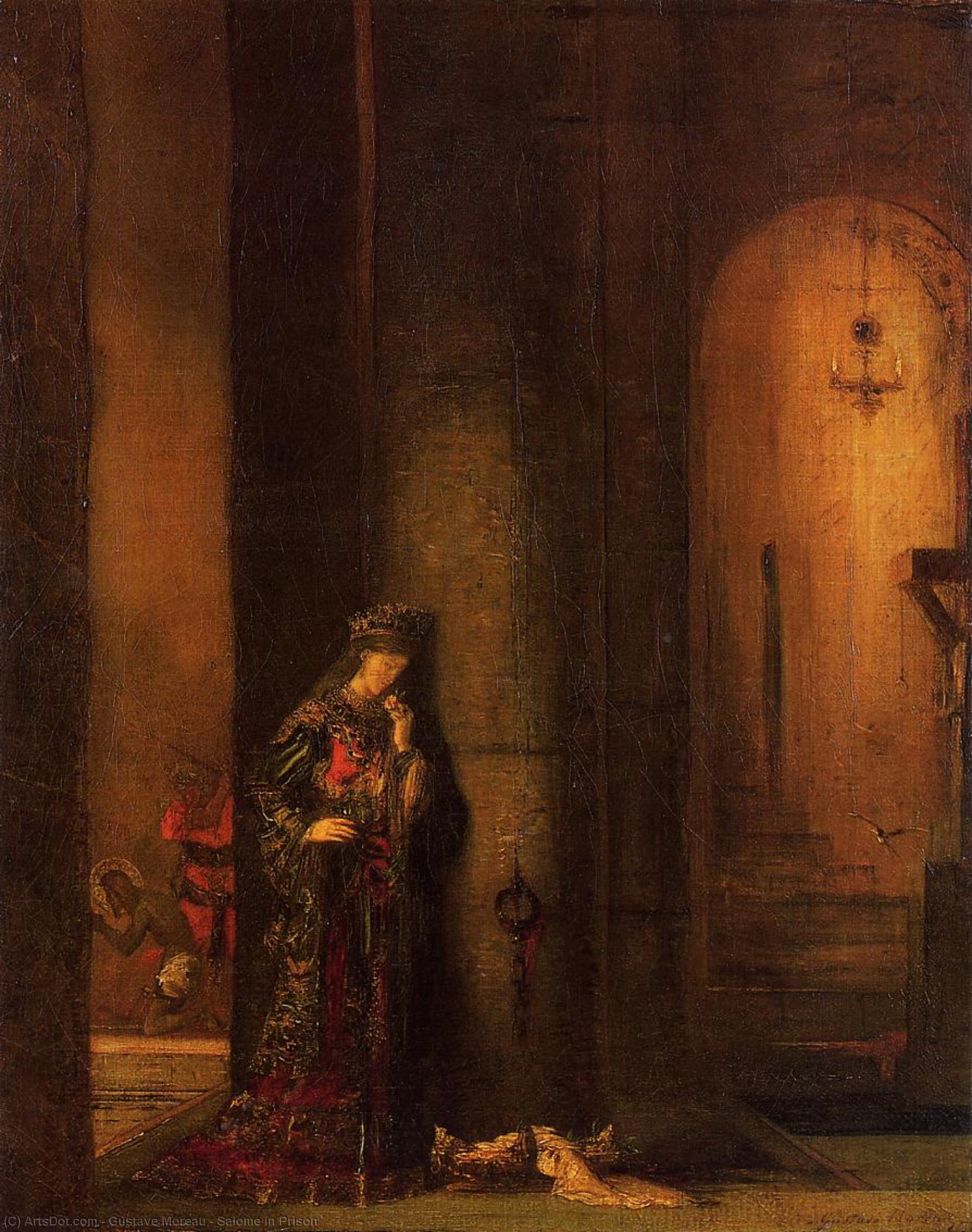
A Portrait of Penitence and Mythic Resonance: Gustave Moreau’s Salome in Prison
Moreau's "Salome in Prison," painted in 1876, stands as a cornerstone of Symbolist art—a testament to an artist who deliberately rejected the visual conventions of his era to pursue a profoundly personal vision. Unlike Impressionists striving for optical accuracy or Realists documenting everyday life, Moreau sought to distill emotion and spiritual contemplation into meticulously crafted imagery rooted in mythology and dreamlike landscapes. This fascination with the subconscious is palpable throughout the canvas, transforming it into more than just a depiction; it’s an invitation to delve into the complexities of human experience.
The Visual Language of Symbolism
Moreau's stylistic approach distinguishes him immediately from his contemporaries. He eschewed bright colors and loose brushstrokes characteristic of Impressionism, opting instead for muted palettes dominated by blues, greens, and browns—colors that evoke a sense of melancholy and isolation. The artist’s technique is characterized by painstaking detail and layering, achieved through glazing – applying thin translucent layers of paint over previous coats to build up color and luminosity gradually. This meticulous process lends the painting an ethereal quality, mirroring the elusive nature of dreams and subconscious thought. Notice how Moreau utilizes chiaroscuro—the dramatic interplay between light and shadow—to sculpt form and heighten emotional impact, emphasizing Salome’s solitary figure against the oppressive backdrop of the brick wall.
Historical Context: Nietzschean Influence and Spiritual Quest
The painting emerged during a period marked by intellectual ferment fueled by thinkers like Friedrich Nietzsche, whose philosophy questioned traditional morality and championed individualism. Moreau absorbed these ideas, channeling them into his artistic endeavors. “Salome in Prison” isn’t merely a portrait; it's an embodiment of Nietzschean concepts—a confrontation with darkness and despair juxtaposed against the yearning for transcendence. The biblical allusion to Salome—the biblical princess who demanded John the Baptist’s head—represents not just a narrative tale but also a psychological exploration of desire, guilt, and the struggle between earthly passions and spiritual aspiration. Moreau deliberately avoids explicit religious iconography, instead conveying faith through subtle visual cues: the crosses adorning the wall serve as emblems of suffering and redemption, mirroring Salome's posture of prayerful contemplation.
Symbolic Layers: Walls, Crosses, and the Figure of Salome
The composition itself is laden with symbolic significance. The brick wall represents confinement—both physical and psychological—a barrier separating Salome from solace or understanding. Yet, it simultaneously symbolizes resilience and endurance, mirroring the human spirit’s capacity to persevere amidst adversity. The crosses are not merely decorative elements; they embody Christian symbolism of sacrifice and atonement, prompting viewers to consider themes of morality and spiritual struggle. Salome herself is positioned centrally, her hands clasped together in a gesture of supplication—a visual representation of inner turmoil and longing for divine grace. Her gaze directs upwards, suggesting an unwavering focus on something beyond the immediate surroundings, encapsulating the artist’s core preoccupation with the realm of ideas and emotions.
Emotional Resonance: A Meditation on Suffering and Hope
Ultimately, “Salome in Prison” transcends its formal elements to deliver a powerful emotional experience. Moreau doesn't offer easy answers or comforting illusions; instead, he presents a portrait of profound introspection—a confrontation with vulnerability and despair tempered by the faintest glimmer of hope. The painting’s subdued colors and meticulous technique contribute to its contemplative atmosphere, inviting viewers to engage in their own personal reflections on themes of faith, morality, and the human condition. It remains an enduring masterpiece because it speaks directly to our deepest anxieties and aspirations—a haunting reminder that beauty can reside even within darkness, and that spiritual yearning persists across time and culture.