Discover Hans Baldung (1485-1545), a German Renaissance painter & printmaker. Explore his expressive portraits, allegories, and unique depictions of witchcraft & mythology – a fascinating blend of color, imagination, and Reformation influence.
Discover the Kunstmuseum Basel, Switzerland’s premier art museum! Explore masterpieces from Holbein to Van Gogh & contemporary works across three unique venues. A journey through 7 centuries of art history awaits!
A Study in Mortality and Transcendence: Hans Baldung’s ‘Young Woman and Death’
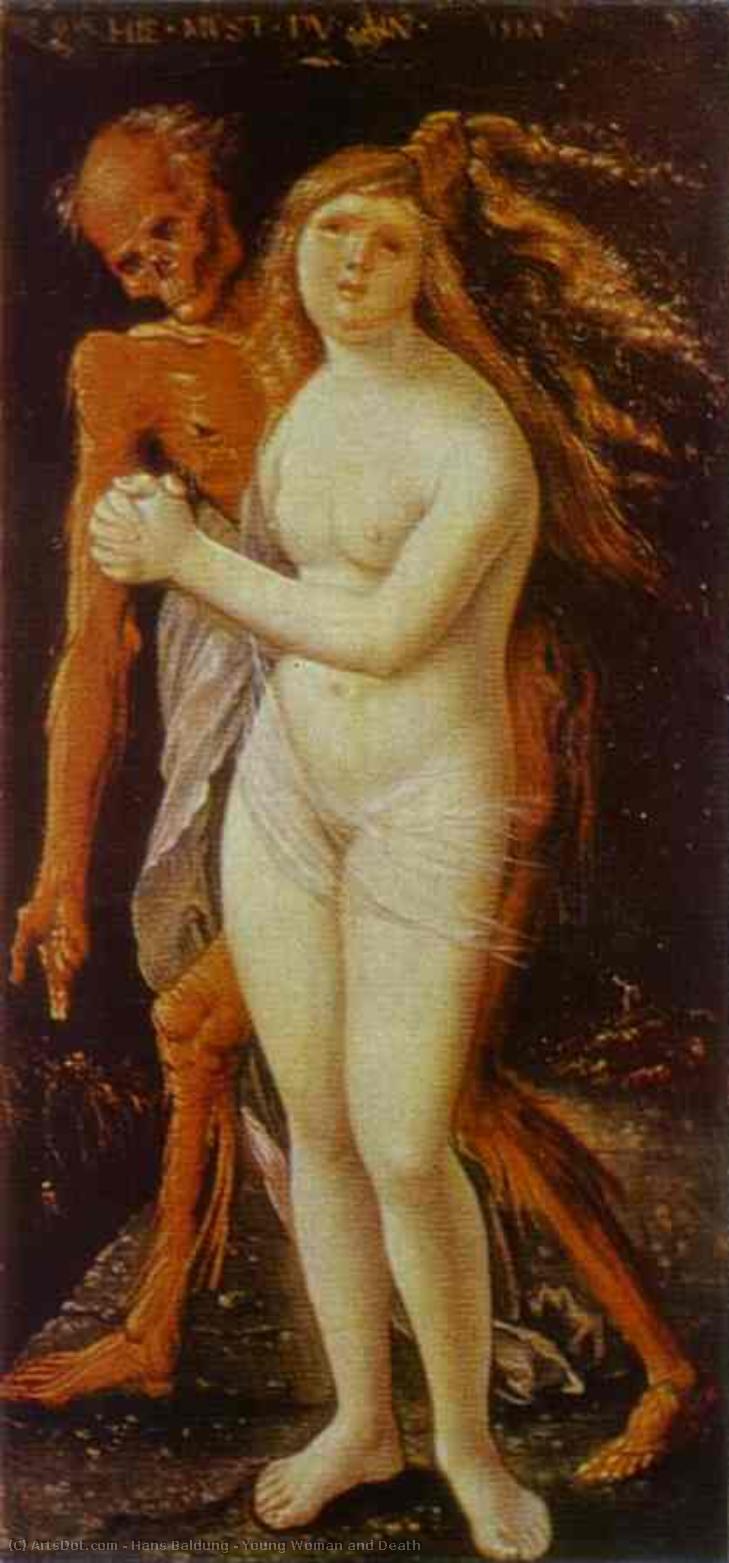
The painting “Young Woman and Death,” created by Hans Baldung Grien in 1517, stands as a haunting testament to the anxieties of the High Renaissance and a masterful embodiment of Mannerist aesthetics. Executed during a period marked by intellectual ferment and artistic experimentation—a time when artists wrestled with questions of faith, human psychology, and the inevitability of decay—Baldung’s masterpiece transcends mere representation, delving into profound symbolic layers that continue to resonate with viewers centuries later.
- Subject Matter & Composition: The artwork depicts a strikingly intimate scene: a young woman embracing a skeletal figure – Death itself – in a pose that defies conventional anatomical accuracy. This juxtaposition is deliberate, designed not merely to portray death as an external force but to confront the viewer with the inescapable reality of mortality within the context of human experience. Baldung’s masterful composition utilizes converging lines and subtle shading to draw the eye inward, creating a claustrophobic space that amplifies the emotional intensity of the encounter.
- Style & Technique: Baldung's style firmly anchors itself in Mannerism, rejecting the idealized beauty favored by earlier Renaissance artists. Instead, he prioritizes expressive distortion and stylized gestures—a hallmark of the movement—to convey psychological states rather than literal depictions. The painting is executed in oil paint on panel, employing a meticulous layering technique that builds up texture and depth through multiple applications of pigment. Baldung’s brushstrokes are visible, contributing to an overall impression of deliberate imperfection – a stylistic choice intended to heighten emotional impact.
- Historical Context: Produced during the Reformation era in Basel, Switzerland, “Young Woman and Death” reflects the pervasive preoccupation with death and spiritual contemplation prevalent at the time. Baldung’s patron—the Kunstmuseum Basel—was established shortly before the painting's creation, symbolizing the burgeoning interest in humanist scholarship and artistic innovation within the region. The artwork engages directly with theological debates surrounding the afterlife, presenting Death not as a terrifying specter but as an inescapable companion on the journey toward salvation.
- Symbolism & Imagery: The embrace between the woman and Death is laden with symbolic significance. Traditionally interpreted as representing the union of earthly desire and spiritual contemplation—the soul yearning for transcendence—the image speaks to the fundamental human condition. The skeletal figure embodies decay and mortality, yet its proximity to the youthful woman suggests that death is not an end but a transformative process. Furthermore, Baldung’s use of muted colors – predominantly ochre, gold, and reddish hues – contributes to the painting's melancholic atmosphere.
- Emotional Impact: “Young Woman and Death” commands attention through its unsettling juxtaposition of beauty and terror. Baldung skillfully manipulates light and shadow to create dramatic contrasts that heighten emotional resonance. The palpable tension between life and death compels viewers to confront their own mortality, prompting introspection and contemplation about the meaning of existence. It remains a powerfully evocative artwork—a timeless meditation on human vulnerability and the enduring quest for spiritual understanding.
This striking depiction exemplifies Baldung’s contribution to Mannerist art, securing its place as an unforgettable masterpiece within Basel's artistic heritage.