Hans Holbein the Younger (1497-1543): Northern Renaissance master of realistic portraiture, famed for painting Tudor royalty like Henry VIII & intricate detail.
Sir Thomas More: A Portrait of Dignity Amidst Turbulent Times
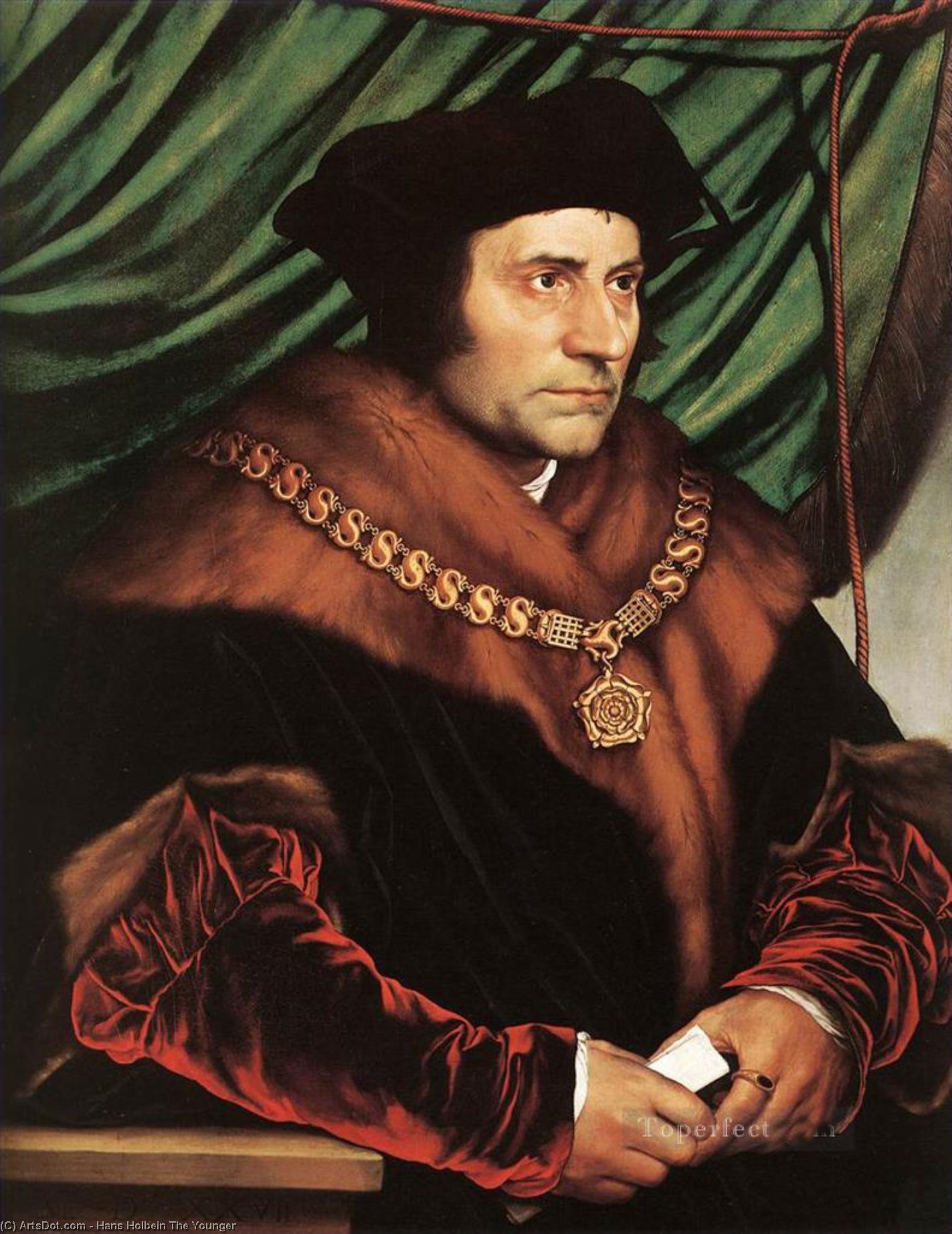
The painting ‘Sir Thomas More’ by Hans Holbein the Younger stands as an unparalleled achievement in portraiture, embodying not merely likeness but profound psychological insight—a testament to Holbein's mastery and a captivating glimpse into the intellectual fervor of Renaissance England. Created in 1527, this tempera on oak masterpiece measuring 75 x 60 cm resides within the esteemed Frick Collection, offering visitors an opportunity to contemplate one of art history’s most iconic images.
The Artistic Genius of Hans Holbein the Younger
Holbein's journey to England in 1526 proved pivotal; it fostered a crucial friendship with figures like Erasmus and Thomas More. This connection enriched his artistic perspective, providing him with invaluable access to influential minds and shaping the very fabric of his creative vision. Recognizing More’s stature as a humanist scholar and diplomat—a man steadfastly upholding moral principles amidst political upheaval—Holbein skillfully captured this essence in his portrait. The commission itself speaks volumes about Holbein's reputation and the esteem accorded to him by the English court.
Portrait of Sir Thomas More: Realism Elevated
More is depicted wearing a crimson robe adorned with a gold chain, radiating an aura of nobility and unwavering conviction. Holbein’s meticulous attention to detail—evident in the subtle folds of drapery and the precise rendering of facial features—exemplifies his commitment to realism. The hanging green drapes behind More contribute to the painting's atmospheric depth, while the deep reds of his sleeves underscore Holbein’s masterful use of color, conveying both grandeur and inner solemnity. Notably, Holbein incorporated a Cord of Esses, symbolizing loyalty to Henry VIII, highlighting the complex political landscape of the era.
Historical Context: Faith and Resistance
Sir Thomas More was a towering figure in English history—a diplomat, author, and statesman whose unwavering moral compass challenged the authority of King Henry VIII’s divorce decree from Catherine of Aragon. This refusal resulted in his resignation as Lord Chancellor and ultimately led to his tragic execution in 1535. Holbein's portrayal captures More’s character during this tumultuous period—a man grappling with conscience and duty, embodying the spirit of humanist resistance against religious dogma. The inclusion of a book symbolizes More’s intellectual pursuits and his dedication to upholding moral principles.
Symbolism and Emotional Impact: Beyond Mere Representation
Holbein's work transcends mere visual representation; it delves into the psychological complexities of its subject—revealing More’s inner fortitude and contemplative gaze. The painting’s subdued palette – dominated by earthy tones – reinforces the solemn mood, inviting viewers to contemplate themes of integrity and spiritual conviction. It is a portrait that lingers in the memory long after viewing, prompting reflection on courage, faith, and the enduring legacy of humanist ideals. For those seeking inspiration or desiring to adorn their homes with a timeless masterpiece, a high-quality reproduction of ‘Sir Thomas More’ offers an exquisite opportunity to experience Holbein's genius firsthand. You can explore more about this artwork at https://ArtsDot.com/.