A Masterpiece of Northern Renaissance Devotion: Hans Holbein the Younger’s *The Passion*
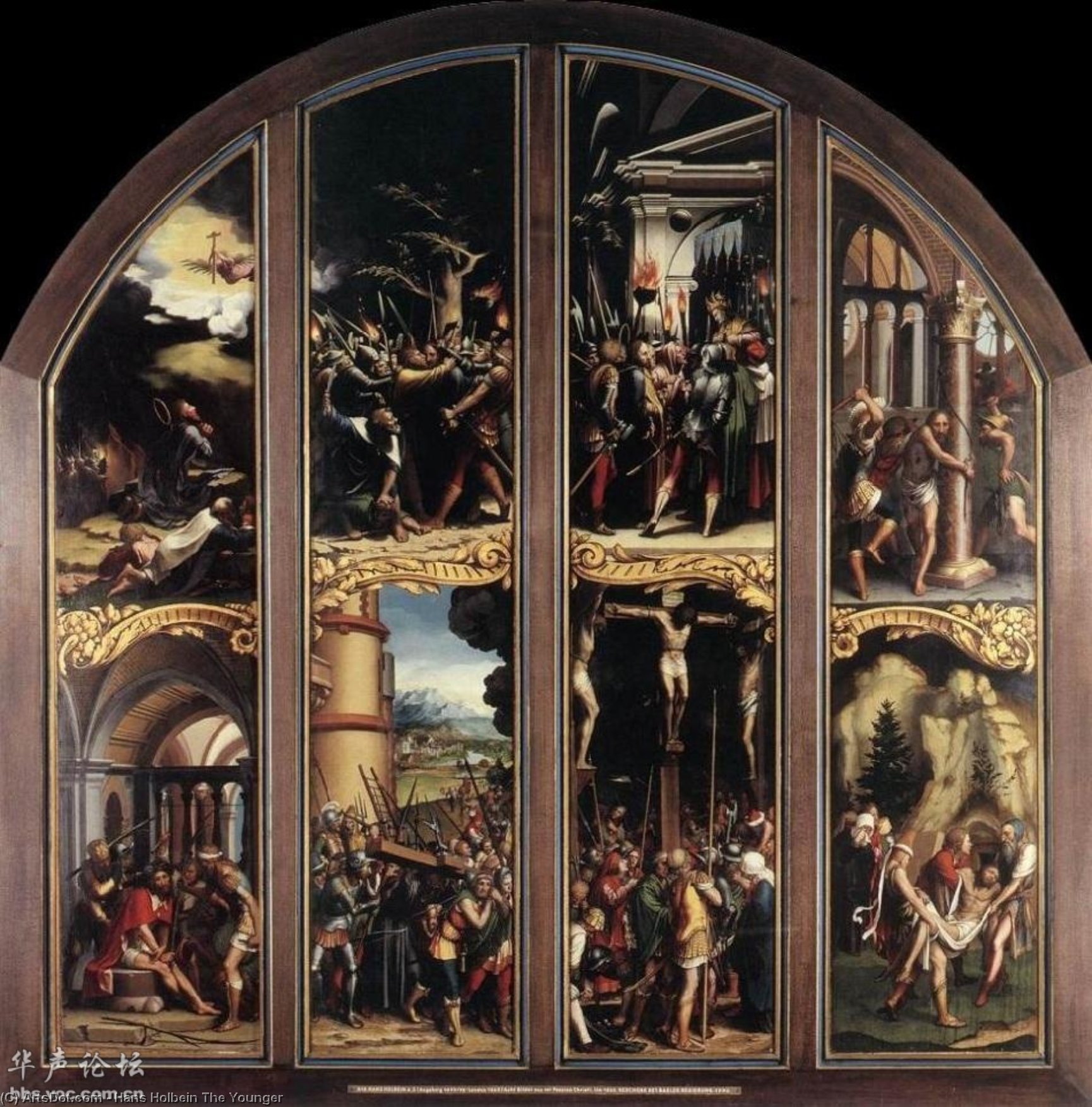
Hans Holbein the Younger’s *The Passion*, created between 1524-25, is a profoundly moving and meticulously crafted altarpiece that encapsulates the core tenets of Northern Renaissance art. This limewood panel, currently housed at the Kunstmuseum Basel, offers a compelling visual narrative of Christ's suffering, arrest, trial, and torment – a pivotal story rendered with remarkable detail and emotional depth.
Subject & Narrative Structure
The artwork unfolds as a continuous mural divided into three distinct yet interconnected scenes. The composition masterfully depicts:
- Christ’s Arrest: A dramatic depiction of soldiers seizing Christ in the Garden of Gethsemane, capturing the tension and betrayal of this moment.
- The Trial Before Pilate: Holbein portrays Pontius Pilate presenting Christ to the crowd, highlighting the political pressures and moral dilemma at play.
- Scourging & Mockery: A harrowing scene illustrating the brutal scourging of Christ, emphasizing his physical suffering and humanity.
These scenes aren’t isolated incidents but flow seamlessly into one another, creating a powerful and immersive experience for the viewer.
Artistic Style & Technique
Holbein's style is characterized by an unparalleled precision and realism. He expertly blends Late Gothic traditions with emerging Renaissance influences.
- Detailed Realism: The figures are rendered with anatomical accuracy and expressive faces, conveying a range of emotions from anguish to indifference.
- Oil & Tempera on Limewood: This combination allowed for both vibrant color and fine detail, creating a luminous quality in the painting.
- Linear Perspective & Depth: While maintaining some flatness characteristic of Northern Renaissance art, Holbein employs subtle techniques to create depth and spatial relationships.
The inclusion of everyday objects and architectural details grounds the religious narrative in a relatable reality.
Symbolism & Hidden Meanings
*The Passion* is rich with symbolic elements that add layers of meaning:
- The Clock: Positioned in the upper right corner, it serves as a poignant reminder of time’s passage and the inevitability of Christ's fate.
- The Bird: Flying above the scene, the bird symbolizes freedom, hope, and ultimately, redemption through Christ’s sacrifice.
- Gestures & Expressions: Every gesture and facial expression is carefully considered, conveying the emotional weight of each moment. The crowd's jeering faces contrast sharply with Christ’s stoic acceptance.
Historical Context & Holbein’s Life
Created during a period of religious upheaval and artistic innovation, *The Passion* reflects the complex spiritual climate of the early 16th century. Holbein, born in Augsburg in 1497, was already establishing himself as a leading artist when he created this work. His subsequent travels to England led him to become a renowned portraitist for Henry VIII and his court, but *The Passion* remains a testament to his early religious artistry and mastery of the Northern Renaissance style.
Emotional Impact & Legacy
This altarpiece evokes a powerful emotional response – sorrow, empathy, and reverence. Holbein doesn’t shy away from depicting the brutality of Christ's suffering, yet he imbues the scene with a sense of dignity and spiritual significance. *The Passion* is not merely a historical depiction; it’s an invitation to contemplate faith, sacrifice, and the enduring power of hope. It stands as a cornerstone of Holbein’s oeuvre and continues to inspire awe and contemplation in viewers today. A reproduction of this work would be a stunning focal point for any space, bringing both artistic beauty and profound meaning into your home or collection.