A Window into Tudor Dignity: Examining Hans Holbein the Younger’s Untitled Portrait
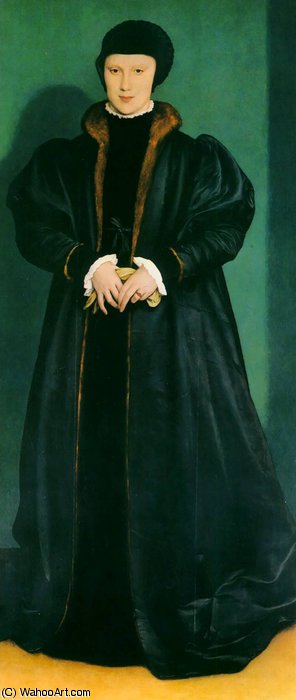
Hans Holbein the Younger's “untitled (3007)” stands as a testament to the meticulous observation and profound psychological understanding that characterized the Northern Renaissance. This portrait, depicting a woman adorned in elegant black drapery accented with shimmering gold trim, transcends mere likeness; it captures an aura of quiet confidence and contemplative grace—qualities deeply rooted in the artistic sensibilities of its era.
- Subject Matter: The central figure embodies aristocratic femininity. Her gaze directs outwards, suggesting awareness beyond the immediate frame, hinting at a woman of considerable intellect and social standing.
- Style & Technique: Holbein’s signature style—characterized by unparalleled realism—is evident in every detail. The artist employs sfumato, a technique pioneered during his time, to soften contours and create an illusion of depth, lending the portrait an ethereal quality. Note the subtle gradations of light and shadow that sculpt the woman's face and drapery, conveying texture and volume with remarkable precision.
- Historical Context: Painted circa 1530-1540 during Henry VIII’s reign, “untitled (3007)” reflects the prevailing artistic tastes of Tudor England—a period marked by opulent patronage and a fascination with humanist ideals. Holbein's work served as propaganda for the monarchy, portraying noblewomen as symbols of virtue and stability amidst turbulent political times.
Symbolism: Layers of Meaning Beyond Appearance
Beyond its visual splendor lies a rich tapestry of symbolism. The gold trim adorning the dress represents wealth and prestige—a visible manifestation of social status within Tudor society. Furthermore, the woman’s posture exudes composure and dignity, reflecting the moral virtues expected of aristocratic women during this period. The small object held in her hand remains enigmatic, prompting speculation about its significance – perhaps a token of remembrance or a symbol of faith.
- Color Palette: Dominant hues of black and gold create a striking contrast that emphasizes the woman’s regal bearing. Black symbolizes mourning and solemnity, while gold signifies divinity and royal authority—elements carefully interwoven to convey a complex message about status and spirituality.
- Composition: The portrait's balanced composition reinforces its sense of stability and refinement. The woman is positioned centrally against a muted green wall, providing a harmonious backdrop that complements the color scheme without distracting from the subject’s presence.
Emotional Resonance: Capturing Inner Reflection
"untitled (3007)" isn't merely a depiction of a person; it’s an exploration of inner character—a feat accomplished through Holbein’s masterful use of observation and psychological insight. The woman’s serene expression invites contemplation, prompting viewers to consider themes of grace, dignity, and quiet introspection. This enduring portrait continues to captivate audiences today because it speaks to the timeless human desire for beauty, truth, and understanding—qualities that resonate powerfully across centuries.