Untitled (940)

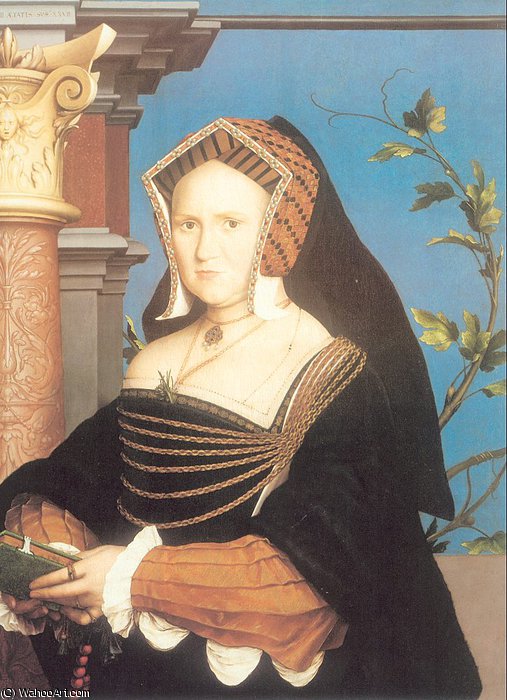
Captured in exquisite detail by Hans Holbein the Younger during the Northern Renaissance, this portrait depicts a woman adorned in black, embodying serene elegance amidst a contemplative backdrop of columns and foliage—a timeless masterpiece to admire or collect.


Hans Holbein the Younger (1497 - 1543)

Hans Holbein the Younger (1497-1543): Northern Renaissance master of realistic portraiture, famed for painting Tudor royalty like Henry VIII & intricate detail.

A Portrait Steeped in Renaissance Precision

  • Subject Matter: This captivating portrait depicts a woman of dignified composure, rendered with remarkable detail against a subtly textured backdrop featuring two columns and a prominent tree—a compositional element that speaks volumes about the era’s artistic sensibilities.
  • Style & Technique: Hans Holbein the Younger's signature style exemplifies the Northern Renaissance ideal – characterized by unparalleled realism and meticulous observation. The artist skillfully employs oil paint on canvas, layering thin glazes to achieve luminous skin tones and capturing subtle nuances of expression that convey a profound psychological awareness.
  • Historical Context: Executed during Holbein’s tenure at the English court under Henry VIII, this artwork reflects the burgeoning humanist spirit of the period. The Tudor monarchs championed intellectual pursuits and artistic patronage, fostering an environment where artists like Holbein could explore ambitious themes and push the boundaries of portraiture.
  • Symbolism: The inclusion of columns symbolizes stability and authority—fitting emblems for portraying a noblewoman within the framework of royal power. Simultaneously, the tree represents life, growth, and resilience, subtly reinforcing notions of femininity and enduring beauty.
  • Emotional Impact: Beyond mere likeness, Holbein’s masterpiece succeeds in capturing an intangible quality – a sense of inner contemplation and quiet grace. The woman's gaze directs towards the viewer, inviting engagement and prompting reflection on themes of dignity, intellect, and perhaps even unspoken vulnerability. It remains a testament to Holbein’s ability to transform pigment into emotion.