Hendrick Terbrugghen’s Dramatic Portrait of Musical Mastery
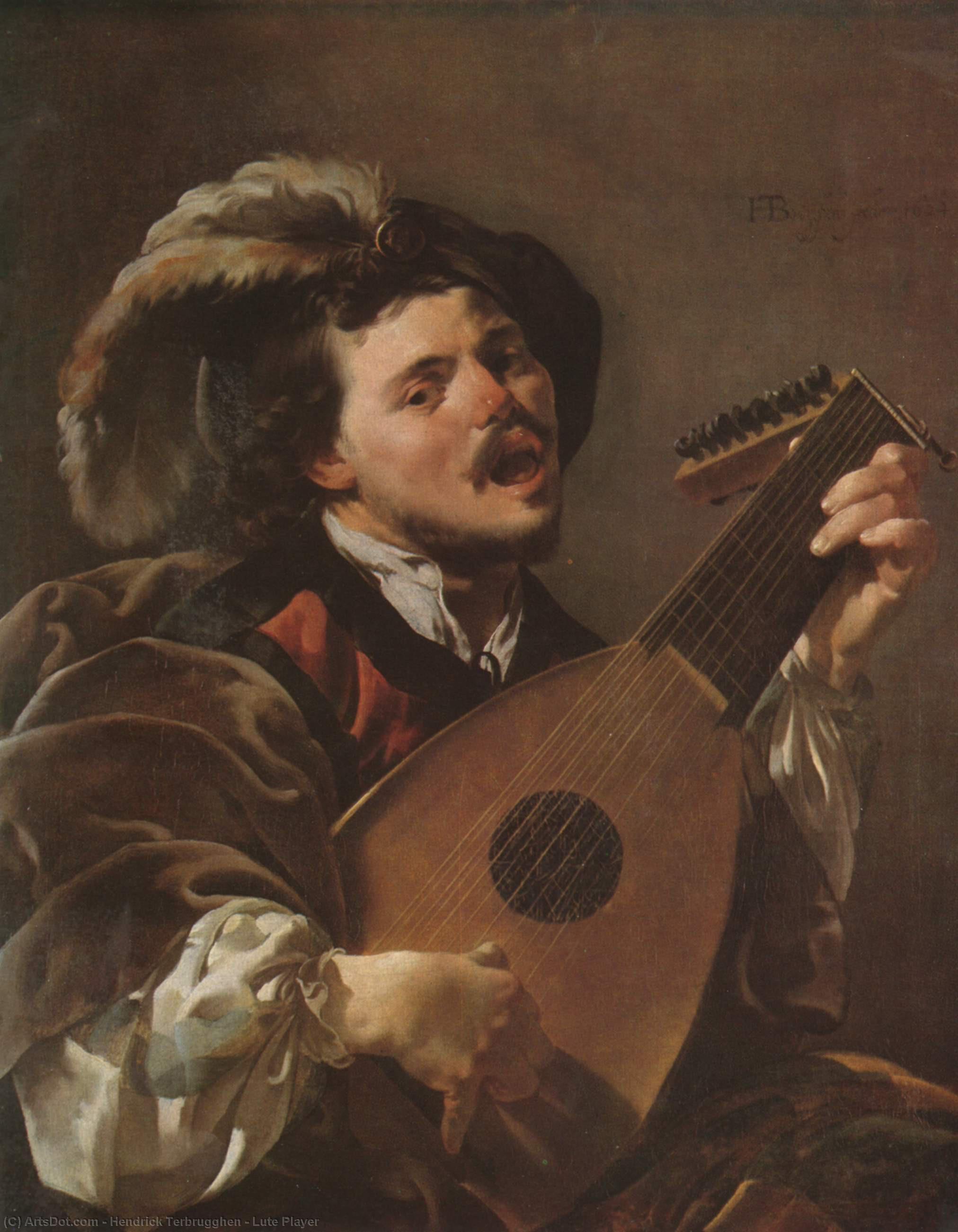
The artwork, “The Singing Lute Player,” painted in 1624 by Hendrick Terbrugghen during the Dutch Golden Age, transcends mere representation; it embodies a profound exploration of artistry and human emotion. Executed in Baroque style—a movement characterized by grandeur, theatricality, and masterful use of light—this portrait captures a moment of intense concentration as a male musician performs on his lute. The scene unfolds within a meticulously crafted interior space, bathed in the chiaroscuro technique pioneered by Caravaggio, where stark contrasts between illumination and darkness heighten the drama and draw the viewer’s gaze directly to the subject's face.
- Subject Matter: Terbrugghen skillfully portrays a lute player—a symbol of refined intellect and musical prowess—seated in repose yet radiating palpable energy. The musician’s posture conveys both seriousness and passion, suggesting an artist deeply absorbed in his craft.
- Style & Technique: Influenced by Caravaggio's revolutionary approach to painting, Terbrugghen employs dramatic lighting to sculpt the figure’s form and imbue it with emotional depth. Oil paint on canvas allows for layering of colors and textures—particularly evident in the rich fur lining of the lute player’s hat and the intricate folds of his clothing—creating a palpable sense of realism.
- Historical Context: The painting emerged during a period of artistic flourishing in Amsterdam, reflecting the burgeoning humanist spirit of the era. Terbrugghen's work aligns with the Caravaggisti movement, which sought to revive classical ideals of beauty and grandeur through intense observation and expressive rendering.
Symbolism: The lute itself represents musical knowledge, eloquence, and spiritual contemplation—values highly esteemed during the Baroque period. Its inclusion within the composition underscores Terbrugghen’s intention to elevate the musician beyond a mere performer, portraying him as an embodiment of artistic excellence and intellectual curiosity. The artist's masterful manipulation of light serves not only to illuminate the subject but also to symbolize enlightenment and divine grace—themes central to Baroque art.
Emotional Impact: “The Singing Lute Player” evokes a powerful sense of stillness amidst dynamism, inviting contemplation on the beauty of artistic expression and the human capacity for profound emotion. The artist’s meticulous attention to detail—from the subtle nuances of facial expression to the tactile qualities of fabric—creates an immersive experience that resonates with viewers long after encountering the artwork. It's a testament to Terbrugghen's ability to capture not just what is seen but also what is felt, cementing his place as one of the most compelling portraitists of his time.
- Notable Features: The painting’s composition—tightly framed and dominated by chiaroscuro—commands attention and compels viewers to engage with the subject on a visceral level.
- Material & Medium: Oil paint on canvas ensures exceptional durability and allows for nuanced tonal variations, contributing significantly to the artwork's visual impact.
The enduring appeal of “The Singing Lute Player” lies in its ability to communicate timeless themes of artistry, contemplation, and human emotion—qualities that continue to inspire admiration and fascination centuries after its creation. It stands as a beacon of Baroque realism and a poignant reminder of the transformative power of visual art.