A Symphony of Blue: Exploring Henri Matisse’s “Glorioso”
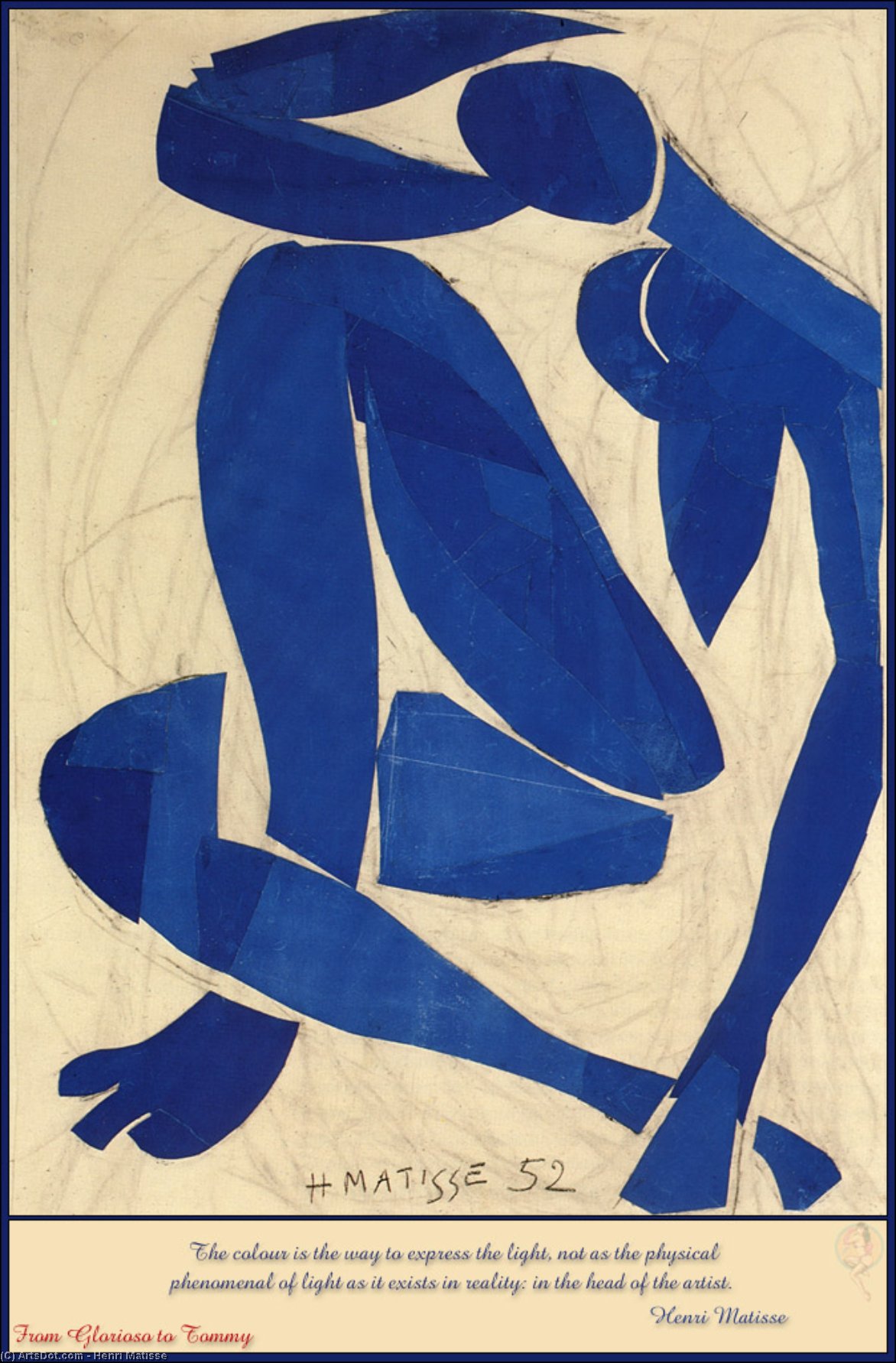
“Glorioso,” painted by Henri Matisse in an unknown date, transcends mere representation; it embodies a profound exploration of intimacy and emotion through the masterful manipulation of color. This captivating artwork depicts two figures intertwined, their arms embracing in a gesture that speaks volumes about connection and affection—a scene instantly recognizable as emblematic of human relationships.
- Subject Matter: The composition centers around a pair of individuals positioned close together, conveying a palpable sense of closeness.
- Style: Matisse’s work firmly establishes itself within the Fauvist movement, prioritizing expressive color over meticulous realism. This stylistic choice is deliberate—a rejection of academic conventions in favor of capturing the essence of feeling.
Matisse's technique is characterized by bold brushstrokes and simplified forms, resulting in a vibrant tapestry of hues that dominate the canvas. The predominant shade of blue isn’t merely decorative; it serves as a conduit for conveying mood—a tranquil serenity underscored by an underlying passion. Notice how Matisse utilizes layering to create depth and texture, inviting viewers into the very heart of the scene.
- Technique: Matisse employed loose brushwork and vibrant color palettes typical of Fauvist painting, prioritizing emotional impact over precise detail.
- Color Palette: The pervasive blue hues contribute to an atmosphere of calm contemplation punctuated by moments of intense emotion.
Beyond its aesthetic beauty, “Glorioso” resonates with historical significance. Emerging during the early 20th century, Matisse’s Fauvist style challenged artistic dogma and paved the way for subsequent movements like Expressionism. The painting reflects a broader cultural preoccupation with capturing subjective experience—a desire to translate inner feelings into visual form.
- Historical Context: Painted during the Fauvist period, “Glorioso” represents a reaction against Impressionistic realism and championed expressive color as a primary artistic tool.
- Symbolism: The intertwined figures symbolize unity and affection, encapsulating the core themes of human connection and emotional vulnerability.
Ultimately, “Glorioso” succeeds in eliciting an emotional response from the viewer—a feeling of warmth, tenderness, and quiet contemplation. It’s a testament to Matisse's genius: his ability to distill complex emotions into deceptively simple visual elements. Reproductions of this iconic artwork offer collectors and interior designers alike the opportunity to experience firsthand the enduring power of color and form to communicate profound human truths.