Explore Henri Matisse (1869-1954): Fauvism's master of color! Discover iconic paintings, cut-paper collages & his influence on modern art. A leading French painter.
A Symphony of Color: Exploring Henri Matisse’s “Goldfish”
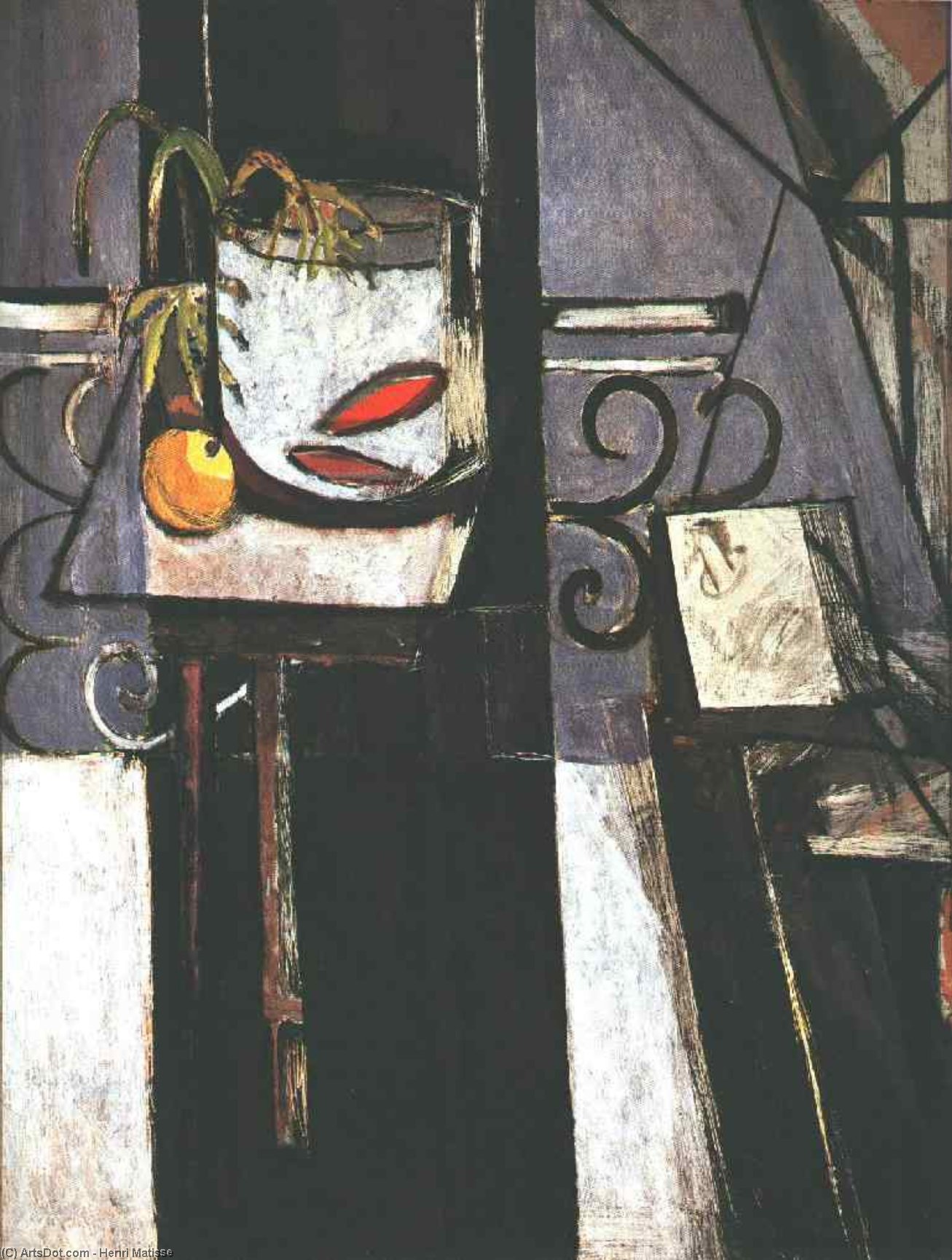
The painting "Goldfish," executed in 1916 by Henri Matisse, transcends mere representation; it embodies the very essence of Fauvist aesthetics—a deliberate rejection of academic conventions in favor of unrestrained expressive color. This intimate depiction captures a simple tableau – a fishbowl brimming with water and populated by two goldfish – yet within its unassuming frame lies a profound exploration of artistic innovation and emotional resonance. The artwork’s placement within a private collection underscores its significance as an exemplar of Matisse's personal vision, reflecting his unwavering commitment to capturing the beauty of everyday life through vibrant hues.
The Fauvist Breakthrough: Color Above All Else
Matisse’s stylistic journey began with a fascination for Impressionism, but he swiftly moved beyond its muted palettes and atmospheric subtleties. Influenced by Cézanne's geometric simplification and Gauguin’s primal landscapes, Matisse championed a radical approach—Fauvism—characterized by bold, arbitrary color choices divorced from naturalistic observation. As biographer Robert Rosenblum eloquently describes, “Matisse sought to liberate color from the constraints of illusion.” In "Goldfish," this liberation is palpable; the dominant shades of orange and yellow dominate the composition, creating an immediate visual impact that prioritizes feeling over factual accuracy. This deliberate disregard for realism wasn’t a nihilistic gesture but rather a purposeful assertion of artistic freedom—a desire to express emotion directly through pigment.
Compositional Harmony: Simplified Forms and Balanced Arrangement
Despite its bold color scheme, “Goldfish” maintains remarkable compositional balance. Matisse employs simplified forms – the fishbowl itself, the goldfish, and the apples – to create a harmonious visual experience. The placement of the goldfish on opposite sides of the bowl contributes to stability, while the strategically positioned apple adds a subtle textural element that contrasts with the smooth surface of the water. This careful consideration of form reinforces Matisse’s belief that color could communicate powerfully without resorting to elaborate detail. The artist's masterful handling of perspective subtly guides the viewer’s gaze across the canvas, fostering contemplation and inviting engagement with the artwork’s emotive core.
Symbolism Within Simplicity: Reflections of Tranquility and Renewal
Beyond its formal qualities, “Goldfish” carries symbolic weight rooted in Matisse’s personal beliefs and artistic sensibilities. Goldfish are traditionally associated with longevity, prosperity, and good fortune—themes that resonate deeply within the humanist spirit of Matisse's oeuvre. The fishbowl itself represents confinement yet simultaneously evokes notions of enclosure and protection, mirroring the artist’s own desire to preserve beauty and vitality amidst the challenges of his time. Furthermore, the apples – a recurring motif in Matisse’s work – symbolize innocence, freshness, and the promise of rebirth—ideas that align with Matisse's optimistic outlook on life and art.
An Enduring Legacy: Influence on Subsequent Artists
“Goldfish” stands as a testament to Matisse’s enduring influence on subsequent generations of artists. Its uncompromising embrace of color paved the way for Expressionism and Surrealism, demonstrating that artistic expression could transcend representational constraints. The painting's simplicity—coupled with its emotive power—continues to inspire designers and decorators seeking to infuse their spaces with warmth, vibrancy, and a sense of timeless beauty. Reproductions of this iconic artwork offer collectors and enthusiasts alike the opportunity to experience firsthand the transformative impact of Matisse’s revolutionary vision.