Explore Henri Matisse (1869-1954): Fauvism's master of color! Discover iconic paintings, cut-paper collages & his influence on modern art. A leading French painter.
A Moment Frozen in Vibrant Hue: Exploring Matisse’s “The Gypsy”
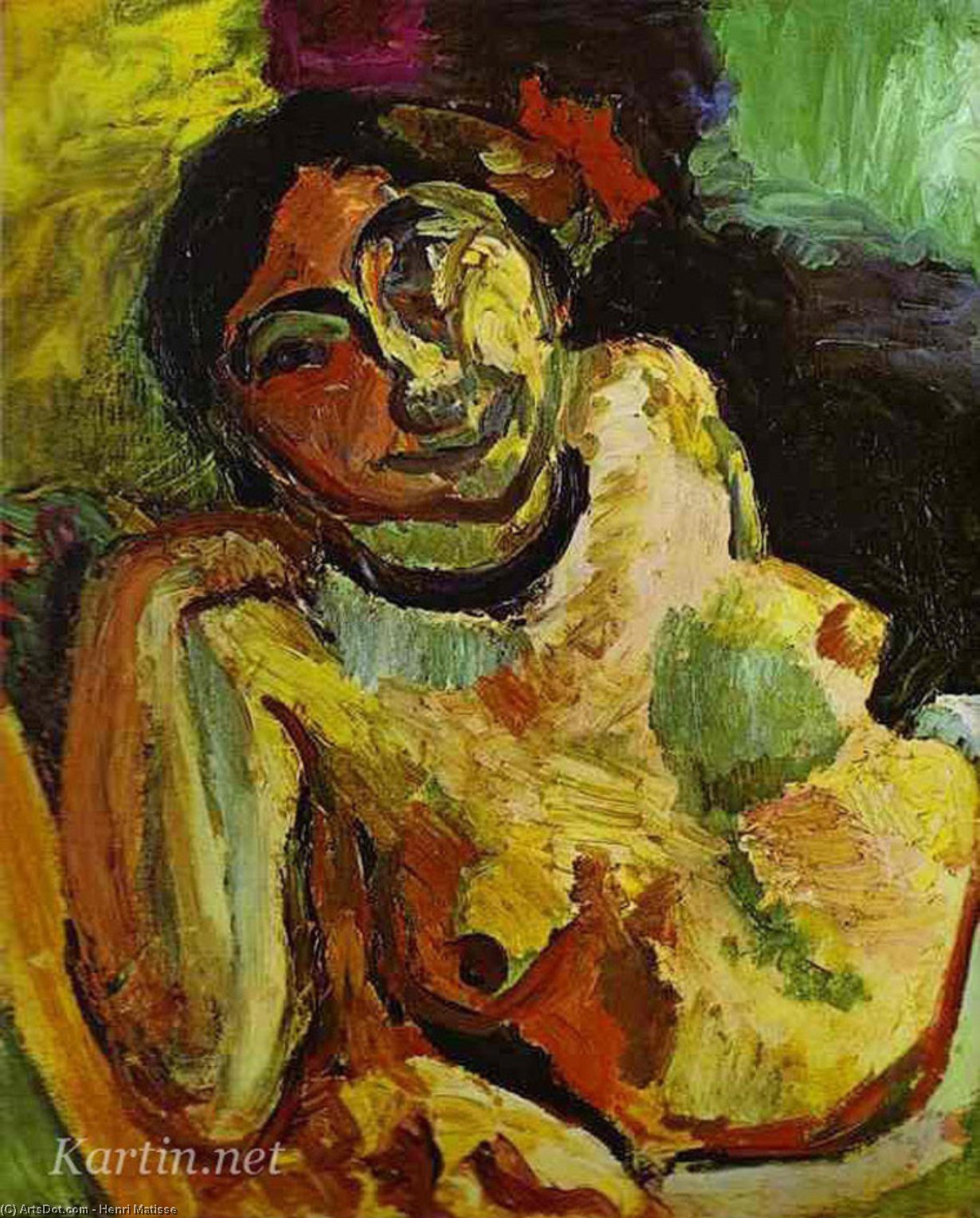
Henri Matisse's "The Gypsy," painted in 1903, stands as a cornerstone of Fauvist art—a movement that boldly rejected academic conventions and championed the expressive power of color above all else. Initially hesitant towards artistic pursuits after his convalescence from appendicitis, Matisse’s newfound passion for painting blossomed during his time at the Académie Julian, marking a decisive shift away from legal studies toward a lifelong devotion to visual artistry. This canvas captures a serene tableau: a woman reclining on her side, eyes closed in repose, bathed in an arresting palette of yellows, oranges, reds, and greens—a deliberate departure from naturalistic representation.
The Fauvist Revolution: Color as Emotion
Fauvism arose in Paris during the early 1900s, fueled by a desire to liberate painting from the constraints of realism. Artists like Matisse sought inspiration in Impressionism’s exploration of light and color but pushed its boundaries further, prioritizing emotional impact over accurate depiction. They achieved this through unrestrained use of pigment—often applying paint directly onto the canvas without blending—creating bold, luminous surfaces that pulsed with vitality. “The Gypsy” exemplifies this revolutionary approach perfectly; each hue isn't merely descriptive but conveys a feeling of warmth and tranquility.
Composition and Detail: A Study in Quiet Drama
Matisse’s meticulous attention to detail contributes significantly to the painting’s emotive resonance. The woman’s face dominates the center, rendered with confident brushstrokes that convey both vulnerability and serenity. Surrounding her is a chair partially obscured by her body—a subtle gesture that adds depth and complexity to the scene. Even seemingly insignificant elements like the cup positioned near the right side contribute to the overall harmony of the composition. The artist skillfully utilizes color to guide the viewer’s eye, creating an immersive experience that invites contemplation.
Symbolism Beneath the Surface
While ostensibly depicting a simple portrait, “The Gypsy” is laden with symbolic significance. The woman herself represents stillness and introspection—a retreat from the anxieties of modern life. The vibrant colors evoke associations with warmth, fertility, and dreams—suggesting an idealized vision of feminine beauty and repose. The lion beneath her gaze symbolizes protection and vigilance, hinting at a deeper narrative about confronting inner demons while maintaining composure.
A Legacy of Color: Inspiring Interior Design
Matisse’s influence extends far beyond the realm of painting; his bold use of color continues to inspire designers today. Reproductions of “The Gypsy,” skillfully crafted by ArtsDot.com, offer a captivating glimpse into this iconic artwork and its enduring appeal. Imagine incorporating shades of yellow and orange into your living room—a subtle nod to Matisse’s masterful exploration of hue and emotion. Let the painting's tranquil atmosphere infuse your space with warmth and beauty.