A Symphony of Color Inspired by Matisse’s Vision
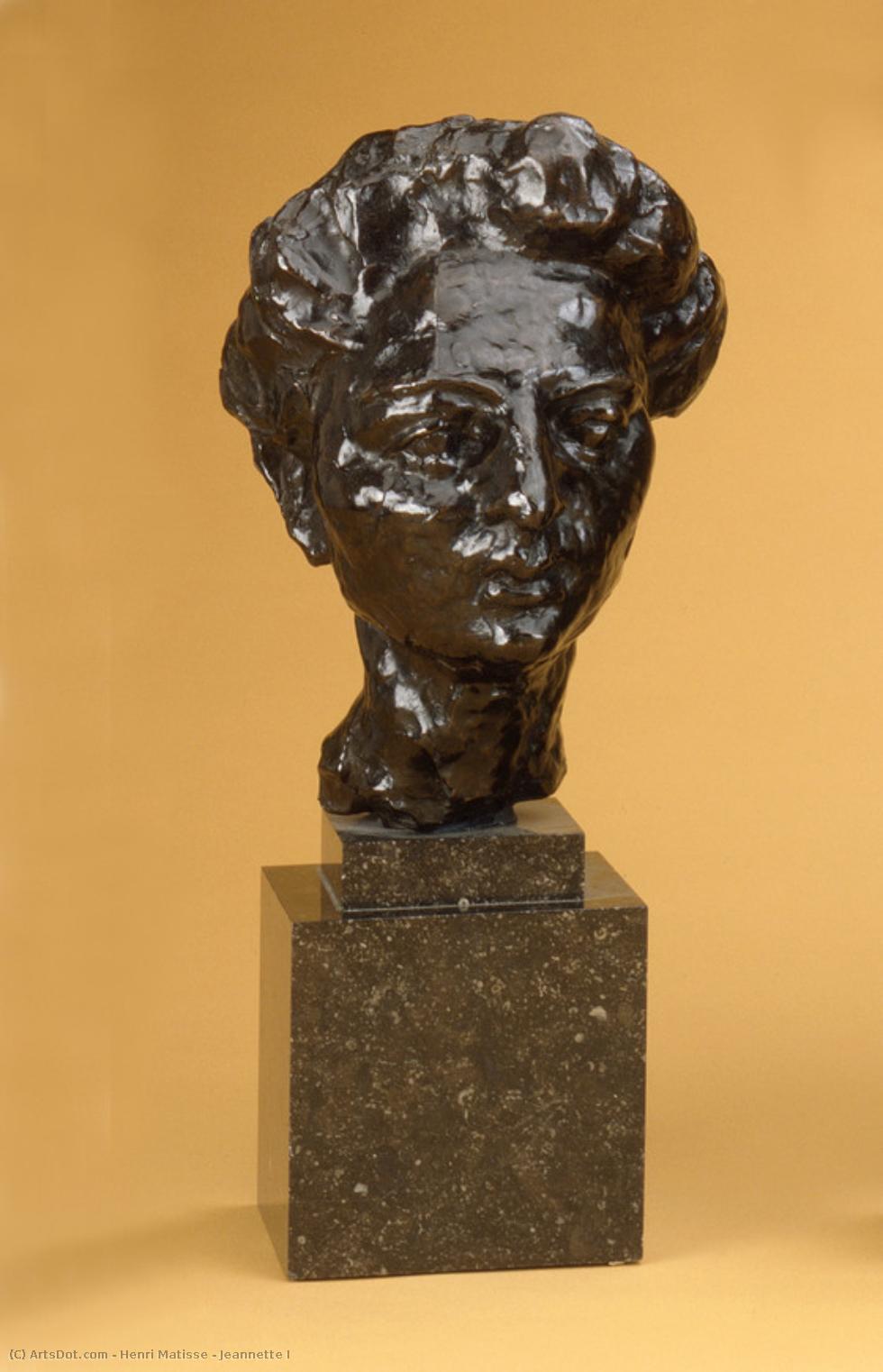
The sculpture “Jeannette I,” created in 1913 by Henri Matisse, stands as a testament to the transformative power of artistic rediscovery. Initially pursuing legal studies, Matisse's life took an unexpected turn following a serious illness—a convalescence that unexpectedly unlocked his innate talent for painting and irrevocably altered the trajectory of his creative journey. This serendipitous encounter with art supplies ignited a passion he hadn’t known existed, propelling him away from formal law towards a vibrant exploration of color and form.
- Subject Matter: The sculpture depicts a woman's head—a motif frequently revisited by Matisse throughout his oeuvre—representing femininity, contemplation, and idealized beauty. Its simplicity belies the profound artistic considerations underpinning its execution.
- Style: “Jeannette I” embodies Matisse’s signature Fauvist style, characterized by bold, unrestrained color palettes that prioritize expressive emotion over realistic representation. This stylistic choice deliberately rejects Impressionistic conventions, opting instead for a visual language driven by intuition and feeling.
The sculpture's technique is remarkable—executed in marble, it showcases Matisse’s meticulous attention to detail while simultaneously conveying an impression of dynamism through subtle modeling and shading. The artist skillfully captures the contours of the face, emphasizing key features like the nose and mouth, subtly referencing Matisse’s celebrated painting “Jeannette I.” This deliberate connection underscores Matisse's ongoing fascination with capturing fleeting moments of beauty and emotion—a preoccupation that defines much of his artistic output.
Historical Context: The Dawn of Fauvism
“Jeannette I” emerged during the burgeoning Fauvist movement, a revolutionary reaction against academic art traditions. Artists like Matisse sought to liberate color from its subservient role in depicting light and atmosphere, asserting it as an independent expressive element. This bold aesthetic stance coincided with a broader cultural shift toward prioritizing subjective experience and emotional intensity—a spirit that resonated powerfully within the artistic circles of Paris at the time.
Symbolism: Beyond Representation
More than merely portraying a woman’s likeness, “Jeannette I” operates on a symbolic level. The color yellow—dominant in both the sculpture's base and Matisse’s painting—represents optimism, enlightenment, and spiritual vitality. Its juxtaposition against the black marble creates a striking visual contrast that amplifies the sculpture’s emotional impact, inviting viewers to contemplate themes of resilience, inner peace, and the enduring beauty of human form.
Emotional Impact: Capturing Essence
Ultimately, “Jeannette I” succeeds in conveying an arresting sense of serenity and contemplation. Matisse's masterful manipulation of marble and color achieves a remarkable feat—capturing not just the physical appearance of the woman’s head but also its intangible essence. It serves as a poignant reminder that art can transcend mere visual representation to evoke profound emotional responses, prompting viewers to engage in introspection and appreciate the sublime qualities inherent in artistic creation.