Explore Henri Matisse (1869-1954): Fauvism's master of color! Discover iconic paintings, cut-paper collages & his influence on modern art. A leading French painter.
A Symphony of Color: Exploring Henri Matisse’s “Red Fish in Interior”
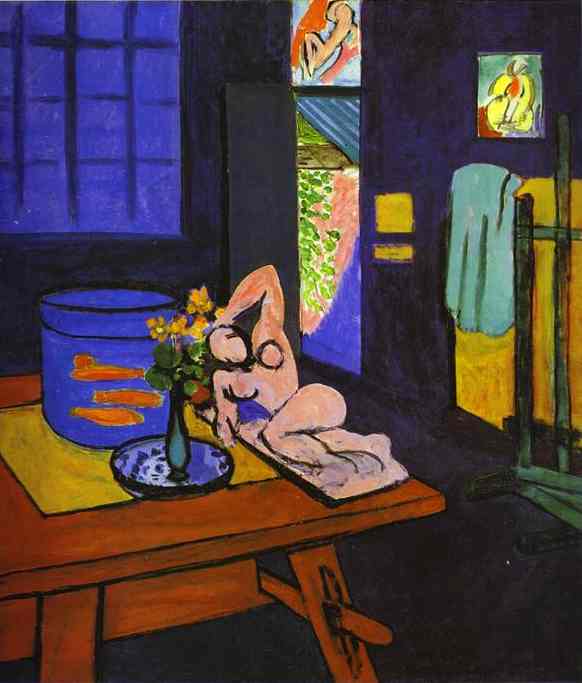
“Red Fish in Interior,” painted in 1912 by Henri Matisse, stands as a cornerstone of Fauvist art—a movement that irrevocably altered the course of twentieth-century painting. More than just a depiction of a woman and fish, it embodies Matisse's revolutionary approach to color and form, reflecting his profound belief in its expressive power. This artwork resides within The Art Institute’s collection in Chicago, where it continues to captivate audiences with its serene beauty and bold chromatic palette.
The Fauvist Breakthrough: Embracing Pure Color
Matisse’s artistic journey began unexpectedly after an illness sidelined him from legal studies. Recognizing his innate talent for drawing—a skill honed during convalescence—he turned towards painting, guided by the encouragement of his mother who gifted him art supplies. This pivotal moment marked the genesis of Matisse's lifelong dedication to color as a primary vehicle for conveying emotion and sensation. Unlike Impressionists who sought to capture fleeting moments of light, Fauvist artists like Matisse deliberately rejected naturalistic representation in favor of intense hues—colors liberated from their traditional associations with reality. “Red Fish in Interior” exemplifies this audacious decision; the dominant crimson dominates the canvas, creating a visual experience that prioritizes feeling over observation.
Composition and Symbolism: Tranquility Amidst Boldness
The painting’s composition is deceptively simple yet remarkably effective. A woman sits calmly at a table adorned with flowers and surrounded by fish—a deliberate juxtaposition of organic forms against a vibrant backdrop. The woman herself is nude, symbolizing vulnerability and purity, while the vase of flowers contributes to an atmosphere of delicate beauty. However, it's the fish – specifically their scarlet hue – that commands immediate attention. Traditionally associated with vitality, abundance, and passion, they serve as potent symbols within Matisse’s artistic lexicon. Their placement around the woman suggests a harmonious balance between stillness and dynamism—a visual metaphor for Matisse’s own artistic philosophy.
Technique: Flattened Planes and Textured Surfaces
Matisse achieved his distinctive aesthetic through masterful brushwork and a technique characterized by flattened planes of color. Rather than meticulously blending hues to mimic natural light, he applied paint in thick, gestural strokes—creating textured surfaces that pulsate with energy. This approach departed significantly from academic conventions of the time, prioritizing expressive spontaneity over technical precision. The artist’s deliberate disregard for traditional perspective contributes to the painting's immersive quality, inviting viewers into a world where color reigns supreme and form serves primarily as an instrument of emotional resonance.
Emotional Resonance: A Moment of Quiet Contemplation
“Red Fish in Interior” transcends mere visual representation; it communicates profound psychological depth. The serene posture of the woman, combined with the vibrant colors of the fish and flowers, evokes a sense of tranquility and contemplation—a deliberate antidote to the anxieties of the era. Matisse’s intention wasn't simply to depict a scene but to distill its essence into an experience that engages the viewer's senses and stirs their imagination. It remains a testament to the transformative power of color and form in conveying emotion, cementing Matisse’s legacy as one of the most influential artists of the twentieth century.