A Symphony of Color: The Soul of Matisse’s Interior
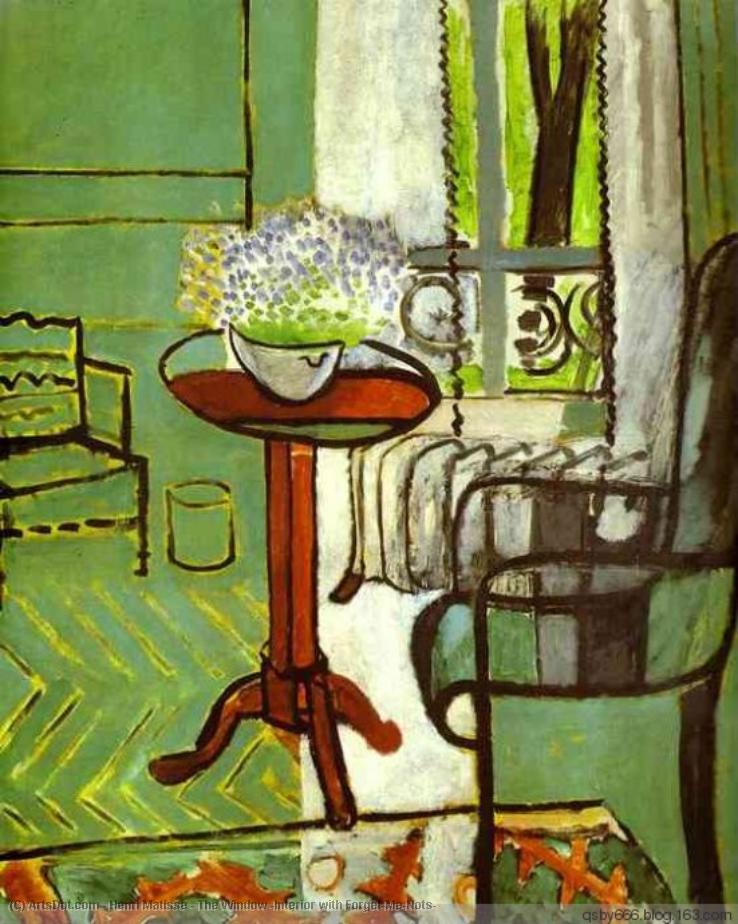
In the midst of the profound shadows cast by World War I, Henri Matisse gifted the world with “The Window (Interior with Forget-Me-Nots),” a masterpiece that serves as a luminous sanctuary of peace. Painted in 1916, this work is far more than a mere depiction of a domestic space; it is an intentional emotional refuge. As the external world grappled with unprecedented conflict, Matisse turned his gaze inward, utilizing the language of Fauvism to construct a reality defined by light, vitality, and a profound yearning for tranquility. The painting invites the viewer to step away from the chaos of history and into a sun-drenched room where the boundaries between the domestic interior and the vibrant garden outside begin to dissolve.
The composition is a masterclass in the Fauvist approach, a movement Matisse helped pioneer. Eschewing the rigid constraints of naturalistic realism, he employed bold, uninhibited color planes and simplified forms to achieve a higher emotional truth. The technique relies on an audacious palette where hues are applied with confidence, prioritizing the sensory impact of the pigment over the precise imitation of light. By deliberately flattening the perspective, Matisse draws attention to the very materiality of the paint, creating a surface that feels both decorative and deeply expressive. This modern approach transforms a simple window view into a sophisticated arrangement of color and shape, making it an enduring inspiration for those who appreciate the intersection of fine art and modernist design.
Symbolism and the Language of Remembrance
Beyond its striking visual impact, the painting is steeped in a quiet, poignant symbolism. The focal point—a vase of delicate forget-me-nots resting upon a table—acts as an emotional anchor for the entire piece. These flowers, traditionally symbols of fidelity and eternal remembrance, suggest a tender meditation on love and loss during a period of global mourning. The vibrant blue of the blossoms provides a cool, rhythmic contrast to the warmer, sun-soaked tones of the room’s interior, creating a visual dialogue between the stability of the home and the ephemeral beauty of nature. This careful orchestration of color evokes a sense of nostalgia and a deep-seated desire for permanence amidst a changing world.
For the discerning collector or interior designer, this artwork offers a unique opportunity to introduce a sense of historical depth and serene sophistication into a living space. Whether placed in a contemporary studio, a minimalist bedroom, or a classic living room, a high-quality reproduction of this Matisse masterpiece brings with it an atmosphere of contemplative calm. The painting does not merely decorate a wall; it transforms the environment, offering a window into a world where color remains an unbreakable bond to beauty and life. It stands as a testament to the power of art to transcend its era, providing a timeless aesthetic that continues to captivate the modern eye.