Introduction to Fauvism and Henri Matisse
Henri Matisse was a French artist known for his contributions to the Fauvist movement, which emerged in the early 20th century. The term "Fauves" means "wild beasts," and it refers to the bold use of color and expressive brushwork that characterized this style. Matisse's work is celebrated for its vibrant hues, simplified forms, and decorative patterns.
The painting
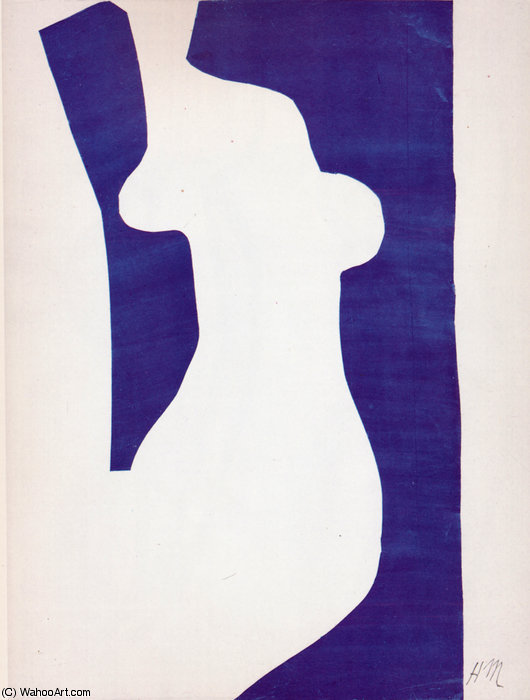
Vénus Gouache Découpée Wtngoa is a stunning example of Matisse's mastery of the Fauvist style. This painting features a cut-out technique, which Matisse used to create dynamic compositions by layering and overlapping shapes. The work depicts a female figure, possibly inspired by classical mythology or African sculpture, with bold strokes and vivid colors that evoke emotion and movement.
Key Features of the Painting: - The use of color in this painting is particularly noteworthy, with warm yellows, reds, and oranges creating a sense of energy and warmth.
- The cool blues and greens provide contrast and balance, while the black outlines add definition and structure to the composition.
Matisse's Legacy and Influence
Matisse's work has had a profound impact on modern art, influencing movements such as Abstract Expressionism, Color Field painting, and Pop Art. His innovative use of color, form, and line continues to inspire artists today, and his legacy is celebrated in museums and galleries around the world, including the
Musee de Region Auguste Chabaud in France. To learn more about
Henri Matisse and other Fauvist artists, visit our
Fauvism page. You can also explore our collection of
paintings by color to discover more works by Matisse and his contemporaries, such as
Paul Cezanne and his painting
The Sea at l'Estaque.
For a deeper understanding of the Fauvist movement and its key figures, visit
Musee de Region Auguste Chabaud and explore the works of artists like
Auguste Chabaud.