Introduction to Fauvism and Henri Matisse
Fauvism, an early 20th-century art movement, was characterized by its bold use of color and expressive brushstrokes.
Henri Matisse, a French artist, was a leading figure in this movement. His innovative approach to form and color has inspired generations of artists. At
ArtsDot.com, we offer handmade oil painting reproductions of his works, including Zulma.
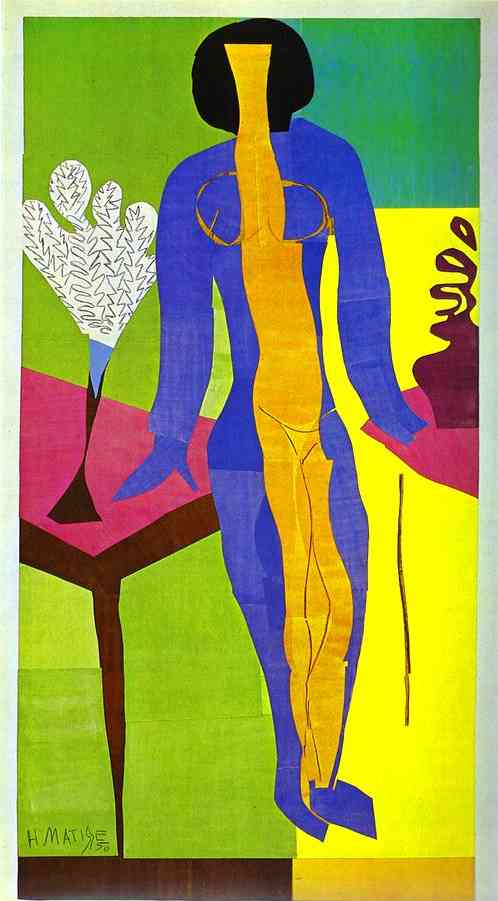
The Painting 'Zulma' by Henri Matisse
Zulma is a prime example of Matisse's mature style and his continued exploration of figuration in his cut-outs. The work features a female figure, rendered in bold shapes and vivid hues, set against a simplified background. Matisse's masterful use of color and form creates a dynamic interplay between the figure and its environment.
Matisse's Fauvist Style
In his early career, Matisse was associated with the Fauves, a group of artists who sought to break away from traditional Impressionism. Although he later distanced himself from the movement, its influence remained evident in his work throughout his life. In Zulma, Matisse's Fauvist roots are apparent in his bold use of color and expressive linework.
Key Features of Matisse's Style
Some key features of Matisse's style include:
- Bold colors: Matisse was known for his vibrant and bold use of color.
- Expressive brushstrokes: His brushstrokes were often expressive and spontaneous.
- Simplified forms: Matisse simplified forms to emphasize their essence.
Conclusion
Zulma by
Henri Matisse is a captivating example of the artist's mature style and his continued exploration of figuration in his cut-outs. To learn more about Matisse and Fauvism, visit
Post-Impressionism Art Movement Introduction at ArtsDot.com. You can also explore Matisse's artwork, including
Reclining Nude (The Painter and his Model), at
ArtsDot.com.
Discover more about the
Musée Matisse and its collection of Matisse's works on
Wikipedia.