Henry Inman (1801-1846) was a prominent American portrait, genre & landscape painter. Known for his portraits of notable figures and work documenting Native American leaders, he helped found the National Academy of Design.
Explore The Metropolitan Museum of Art: 5,000 years of art from around the world! Discover masterpieces, ancient artifacts & immersive exhibitions – a global art destination awaits.
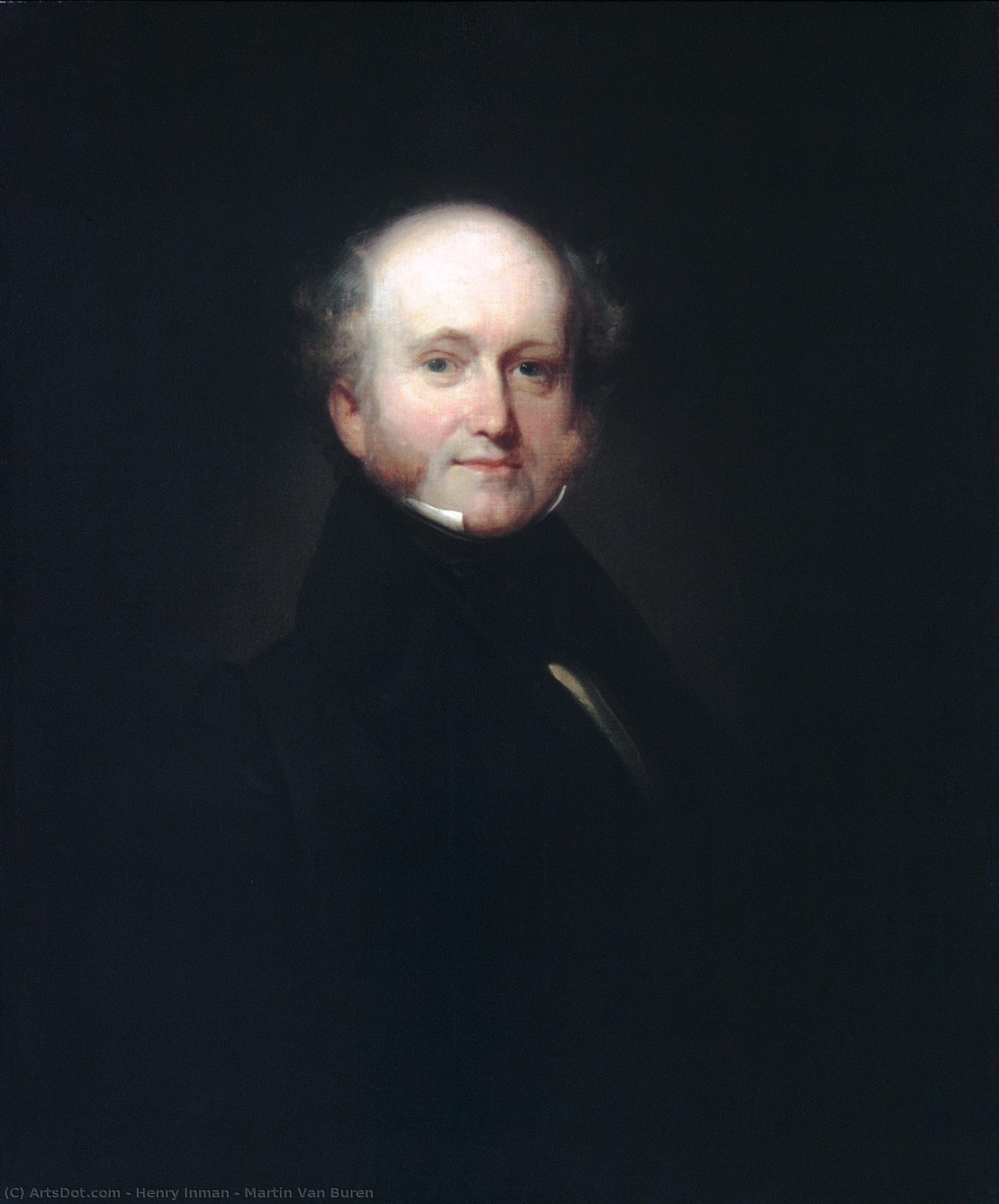
The Weight of Authority: Henry Inman’s 1837 Portrait of Martin Van Buren
Henry Inman's portrait of Martin Van Buren, painted in 1837, is more than a simple likeness; it’s a carefully constructed representation of power, experience, and the weighty responsibilities of leadership. Executed in oil on canvas with remarkable precision, the painting captures the former Vice President and eighth President of the United States at a pivotal moment in his career – a time marked by both triumph and profound challenge. The image speaks volumes about the era’s aesthetic sensibilities, reflecting the formal restraint and dignified seriousness characteristic of 19th-century portraiture while simultaneously hinting at the man beneath the carefully cultivated public persona.

A Study in Formal Restraint: Composition and Technique
The composition immediately draws the viewer’s eye to Van Buren's face, centrally positioned within a dark, almost velvety background. This strategic placement emphasizes his presence and conveys an air of solemnity. Inman masterfully employs chiaroscuro – the dramatic contrast between light and shadow – to sculpt Van Buren’s features, highlighting the lines etched by time and experience. The subtle gradations of gray create a sense of depth and texture, lending a remarkable realism to the portrait. Notice how the artist uses delicate brushstrokes to capture the nuances of his expression: a hint of seriousness mingled with an underlying intelligence. The relatively flat perspective, typical of the period, serves to focus attention entirely on the subject, reinforcing the formality of the piece.
- Line and Shape: The strong lines defining Van Buren’s face – his nose, mouth, and eyes – are balanced by the softer curves of his hair and features.
- Texture: The smooth application of paint creates a tactile quality, suggesting the richness of the fabric of his suit and the texture of his skin.
- Color Palette: The predominantly grayscale palette contributes to the portrait’s somber mood and emphasizes the subject's importance.
Symbolism and Context: A Man of His Time
Painted during Van Buren’s presidency, a period defined by economic hardship and political turmoil (the Panic of 1837), the portrait reflects both his role as a leader navigating challenging circumstances and the prevailing anxieties of the era. The dark background symbolizes the weighty responsibilities he carried, while his formal attire – a dark suit with a crisp white shirt and tie – speaks to his position of authority. The image is deeply rooted in the political landscape of 1837, a time when the Democratic Party was consolidating its power and grappling with issues of economic reform and westward expansion. Van Buren’s stance against slavery, though carefully managed for political expediency, is subtly present in his demeanor – a quiet dignity that suggests a man aware of the complexities of the nation's divisions.
A Legacy of Statesmanship: Henry Inman and American Portraiture
Henry Inman (1801-1846) stands as a pivotal figure in 19th-century American art, renowned for his portraits of prominent figures alongside significant contributions to landscape painting. His work exemplifies the realism and attention to detail that characterized the era’s artistic standards. Born in Utica, New York, Inman's early training under John Wesley Jarvis instilled in him a deep understanding of portraiture techniques. The Van Buren portrait is a testament to his skill and ability to capture not just physical likeness but also the essence of his subject – a man who embodied both the gravitas of leadership and the complexities of American history. The painting’s enduring appeal lies in its ability to transport us back to a pivotal moment in time, offering a glimpse into the life and character of one of America's most intriguing presidents.