Henry Weigall’s Portrait of Thomas Agar-Robartes: A Window Into Victorian Dignity
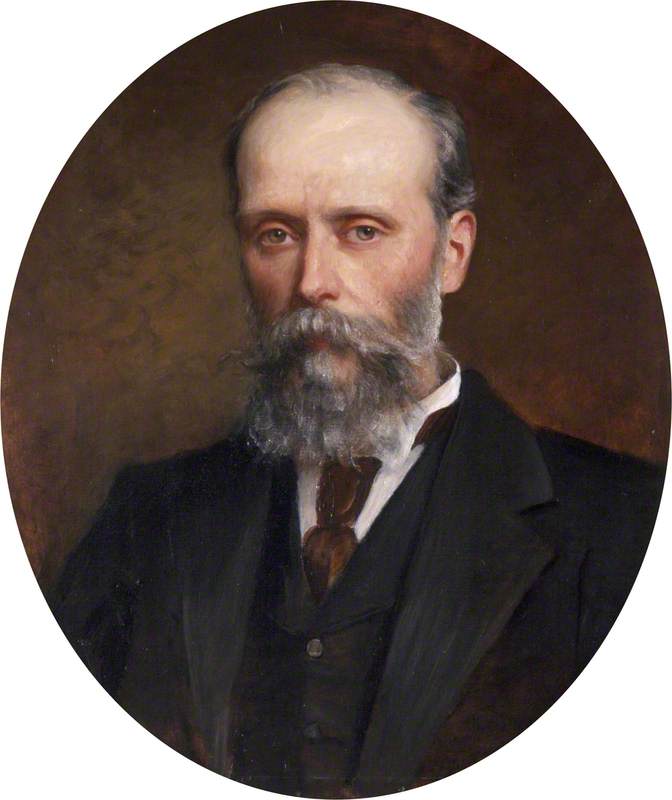
Henry Weigall's depiction of Thomas Charles Reginald Agar-Robartes, 6th Viscount Clifden, painted in 1878, stands as a quintessential example of Victorian portraiture—a genre defined by meticulous observation and an unwavering commitment to conveying status and character with remarkable precision. This artwork resides within the impressive collection of Lanhydrock Estate National Trust, offering visitors a tangible connection to a bygone era and inviting contemplation on the complexities of aristocratic life during Queen Victoria’s reign.
- Subject Matter: The painting portrays Thomas Agar-Robartes—a prominent landowner and Liberal politician—seated formally in a richly appointed room. His gaze directs firmly toward the viewer, conveying an air of authority tempered by quiet contemplation.
- Style & Technique: Weigall employed tonal harmony—a technique favored by Academic painters—to achieve a sense of realism and depth. Careful layering of brushstrokes creates subtle gradations of light and shadow, capturing the textures of Robartes’s clothing and facial features with remarkable accuracy. The muted palette contributes to an atmosphere of dignified solemnity.
- Historical Context: Painted during Victoria's Second Reign (1865–1901), this portrait reflects the values of Victorian society—duty, honor, and social responsibility—traits considered paramount in shaping the moral compass of the aristocracy. It exemplifies the desire to commemorate individuals who held positions of influence within the political landscape of the time.
- Symbolism: The pose itself speaks volumes about Robartes’s character. His upright posture embodies confidence and composure, while his gaze symbolizes introspection and awareness. The room's furnishings—a testament to wealth and refinement—underscore the aristocratic status of its subject.
- Emotional Impact: Viewing Weigall’s portrait evokes a feeling of admiration for Robartes’s steadfastness and integrity. It serves as a poignant reminder of Victorian ideals – an idealized representation of noble bearing and dignified contemplation, frozen in time by masterful artistic execution.
Detailed Examination of Composition & Color Palette
Weigall's compositional choices are deliberate and contribute significantly to the artwork’s overall impact. The central placement of Robartes anchors the viewer’s attention, while subtle directional lines guide the eye across the canvas. Careful consideration is given to balance—creating a harmonious visual experience that reinforces the portrait’s solemn mood.
The color palette—dominated by browns and creams—is restrained yet evocative. These muted tones convey warmth and solidity, mirroring Robartes's noble bearing. Subtle highlights of gold adorn his waistcoat, symbolizing wealth and prestige – an element reflecting the opulent tastes prevalent within Victorian aristocratic circles.
Influence of Academic Painting & Tonal Harmony
Weigall’s artistic training under Thomas Webster instilled in him a deep understanding of Academic painting—a dominant stylistic force during the Victorian era. This influence is evident in his unwavering adherence to tonal harmony—a technique that prioritizes achieving visual depth and realism through careful manipulation of light and shadow.
Unlike Impressionist painters who sought to capture fleeting moments of sensory experience, Weigall aimed for a more enduring representation of Robartes’s character—one rooted in meticulous observation and conveying an unwavering commitment to portraying truthfulness with remarkable precision. This stylistic approach solidified Weigall's reputation as one of the foremost portraitists of his generation.
A Legacy of Dignified Portraiture
Henry Weigall’s portrait of Thomas Agar-Robartes remains a testament to Victorian artistic excellence—a captivating glimpse into the values and aspirations of a bygone era. Its enduring appeal lies in its ability to convey not merely likeness but also character—capturing Robartes's dignified bearing and contemplative gaze with masterful artistry.