Discover Hieronymus Bosch (c. 1450-1516), Dutch Renaissance master of surrealism & symbolism. Explore his iconic paintings, religious themes, and nightmarish visions – a lasting influence on art history.
Explore the Louvre Museum in Paris! Home to iconic masterpieces like the Mona Lisa & Venus de Milo, journey through art history from ancient Egypt to Renaissance icons. Plan your visit today!
Death and the Miser: A Morality Tale Painted in Shadow and Light
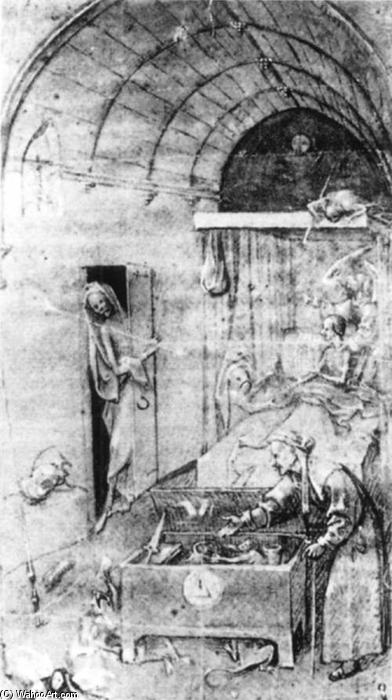
Hieronymus Bosch’s “Death and the Miser,” completed sometime between 1490 and 1516, isn't merely a depiction of mortality; it’s a meticulously crafted allegory designed to unsettle viewers and provoke contemplation on earthly desires versus spiritual salvation. This haunting masterpiece resides in the National Gallery of Art in Washington D.C., where its enigmatic symbolism continues to fascinate scholars and inspire artists alike.
- Subject Matter: The painting confronts us with a stark portrayal of avarice – specifically, the final moments of a miser’s life as he wrestles with his impending doom. Bosch presents a chilling vision of death encroaching upon human existence, symbolized by a skeletal figure poised at the door of the protagonist’s bedchamber.
- Style & Technique: Bosch's signature style is instantly recognizable: intensely surreal and imbued with moral warning. Executed in pen and ink on paper, the artwork employs meticulous hatching and cross-hatching to create remarkable textural depth and volume—a technique that lends an unsettling realism to the fantastical elements of the scene.
- Historical Context: Bosch’s work emerged during a period of profound religious anxiety within the Netherlands – a time marked by anxieties about heresy and the pervasive influence of *Ars moriendi*, texts instructing Christians on how to face death with piety and grace. This context informs the painting's overarching message about confronting mortality and rejecting worldly temptations.
- Symbolism: The composition is densely populated with figures—living and skeletal—each laden with symbolic significance. The angel kneeling at the window represents divine compassion, while the demon proffering a sack of coins embodies greed and materialism. Crucially, Bosch juxtaposes these opposing forces to underscore the eternal struggle between good and evil.
- Emotional Impact: “Death and the Miser” achieves its unsettling effect through masterful use of lighting—particularly stark contrasts that highlight certain figures while plunging others into darkness—and flattened perspective, which amplifies the claustrophobic atmosphere of the room. Bosch’s aim wasn't simply to depict death; he sought to provoke a visceral reaction in his audience, urging them to consider the consequences of prioritizing earthly possessions over spiritual virtue.
The painting’s enduring power lies in its ability to transcend time and culture, prompting viewers to grapple with fundamental questions about human nature and the afterlife. Bosch's masterful rendering captures not just a scene but an entire worldview—a chilling reminder that true fulfillment resides beyond the fleeting pleasures of this world.
Materials & Craftsmanship
Bosch’s technique involved painstaking drawing with pen or ink on paper, utilizing hatching and crosshatching to achieve remarkable textural detail. The careful layering of lines creates a palpable sense of depth and contributes significantly to the painting's unsettling realism despite its fantastical subject matter.
Connections to Bosch’s Oeuvre
“Death and the Miser” stands as one exemplar of Bosch’s broader artistic vision—a testament to his ability to fuse religious allegory with psychological insight. It shares stylistic similarities with other iconic works like “The Garden of Earthly Delights,” demonstrating Bosch's consistent exploration of moral themes and his masterful manipulation of visual language.
Contemporary Relevance
Despite being created centuries ago, "Death and the Miser" continues to resonate powerfully today. Its depiction of avarice and its confrontation with mortality speaks to universal anxieties about existence and offers a timeless meditation on the importance of spiritual contemplation—a message that remains strikingly relevant in our increasingly materialistic society.