Discover Hieronymus Bosch (c. 1450-1516), Dutch Renaissance master of surrealism & symbolism. Explore his iconic paintings, religious themes, and nightmarish visions – a lasting influence on art history.
Explore Venice's rich history at the Palazzo Ducale (Doge’s Palace)! Witness stunning art, secret passages & marvel at masterpieces by Titian & Veronese – a journey through Venetian power and beauty.
A Vision of Wilderness Faith: Exploring Bosch’s Hermit Saints Triptych (Right Panel)
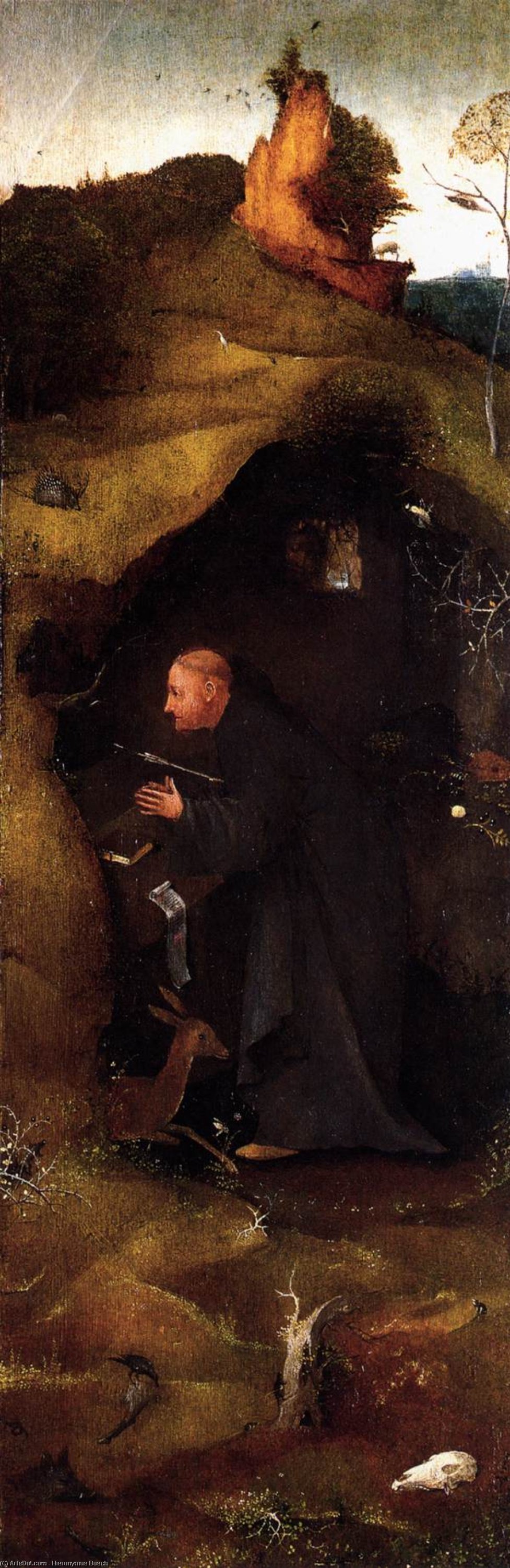
The Right Panel of Hieronymus Bosch's monumental *Hermit Saints Triptych*, completed around 1505, stands as a haunting testament to the anxieties and spiritual complexities of Renaissance Europe. More than just a depiction of biblical figures—Saint Jerome and Saint Augustine—Bosch’s masterful rendering captures a profound psychological landscape that continues to fascinate scholars and inspire artists today. This section delves into the painting's captivating narrative and artistic brilliance.
The Scene: A Precarious Encounter
Painted in oil on panel, the triptych presents a dramatic tableau set within a claustrophobic cave illuminated by an unsettling greenish glow. At its center stands Saint Jerome, depicted with unwavering resolve as he confronts a grotesque creature—likely representing demonic influence—that attempts to intimidate him. Beside him is Augustine, equally steadfast, gazing intently at the same monstrous apparition. The positioning of these saints isn’t merely formal; it underscores their struggle against temptation and evil, mirroring the internal battles faced by individuals grappling with faith during this turbulent period. Bosch meticulously portrays the scene with unsettling realism, capturing not just physical details but also palpable tension.
Bosch's Technique: Anatomical Precision Meets Surreal Horror
Bosch’s unparalleled skill lies in his ability to fuse anatomical accuracy—a hallmark of Netherlandish painting—with elements of fantastical horror and symbolic imagery characteristic of his distinctive style. The artist employs a glazing technique, layering thin washes of pigment over thicker underpaintings to achieve remarkable luminosity and depth. Notice the subtle gradations of color that define Augustine’s robe and Jerome’s face, demonstrating Bosch's meticulous attention to detail. However, this technical mastery serves a larger purpose: it amplifies the unsettling atmosphere of the cave and underscores the grotesque nature of the demonic presence. The artist utilizes chiaroscuro—the dramatic interplay of light and shadow—to heighten the sense of drama and emphasize the psychological torment experienced by the saints.
Historical Context: Fear, Faith, and the Shadow of Darkness
Bosch’s *Hermit Saints Triptych* emerged during a time marked by significant religious upheaval. The Protestant Reformation was gaining momentum across Europe, challenging papal authority and sparking intense debates about theological doctrines. Simultaneously, anxieties surrounding demonic influence persisted—fueled by folklore and popular piety—reflecting a broader cultural preoccupation with evil and salvation. Bosch’s depiction of the cave and its monstrous inhabitant speaks directly to these concerns, portraying humanity's vulnerability before divine judgment and highlighting the pervasive threat of temptation. The painting serves as a powerful visual commentary on the spiritual struggles of the era.
Symbolism: Decoding the Monstrous Gestures
The creature confronting Saint Jerome and Augustine is laden with symbolic significance. Scholars interpret it as representing sin, corruption, and the devil’s relentless assault on human virtue. Its grotesque features—twisted limbs, gaping maw, and piercing eyes—are deliberately designed to evoke horror and provoke contemplation. The cave itself symbolizes purgatory or hell—a place of torment and purification—where souls confront their failings before ascending to heaven. Bosch's masterful use of symbolism elevates the painting beyond mere representation, inviting viewers to engage in a deeper exploration of moral and spiritual themes.
Emotional Impact: A Portrait of Inner Conflict
Ultimately, Bosch’s *Hermit Saints Triptych* transcends its formal elements to convey a profound emotional resonance. The painting captures the essence of existential anxiety—the awareness of mortality and the confrontation with evil—themes that resonate powerfully across centuries. It compels us to contemplate the fragility of human faith in the face of overwhelming darkness, prompting reflection on our own spiritual journeys. This reproduction offers an opportunity to experience the unsettling beauty and enduring intellectual significance of one of Bosch’s most iconic works.