Discover Hieronymus Bosch (c. 1450-1516), Dutch Renaissance master of surrealism & symbolism. Explore his iconic paintings, religious themes, and nightmarish visions – a lasting influence on art history.
Explore the Akademie der bildenden Künste Wien, Austria’s prestigious art school since 1688! Discover masterpieces by Rubens & Bosch, delve into art history and witness inspiring contemporary exhibitions.
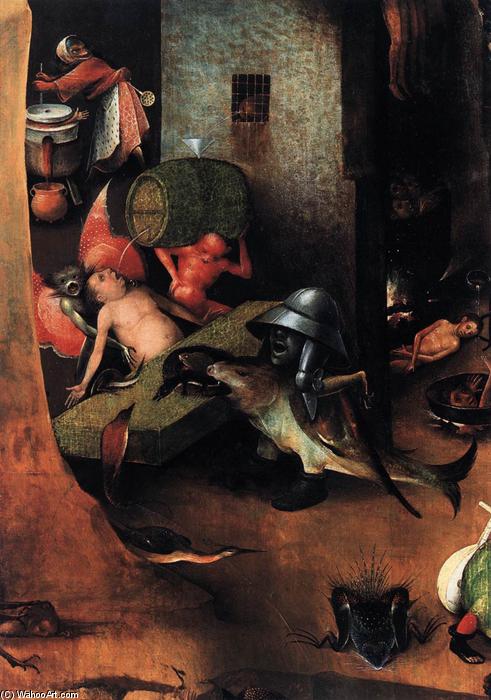
A Descent into Surreal Revelation: Exploring Bosch’s Last Judgement Triptych Detail
The triptych by Hieronymus Bosch, “Last Judgement,” stands as one of the most unsettling and enduring images of the Renaissance—a visual distillation of medieval anxieties projected onto a canvas brimming with grotesque beauty. Painted around 1504, this remarkable artwork transcends mere depiction; it plunges viewers into a psychological landscape populated by figures caught in moments of profound terror and perverse fascination. The detail captured in this particular section offers an unparalleled glimpse into Bosch’s masterful technique and the intricate symbolism woven throughout his oeuvre.
- Technique: Bosch employed oil paint on panel, utilizing layering and glazing techniques that achieved astonishing luminosity and depth. His meticulous attention to texture—evident in the grotesque flesh tones of the figures and the unsettling surfaces of the fantastical creatures—demonstrates a dedication to realism informed by observation of human anatomy alongside an imaginative leap into realms beyond earthly comprehension.
- Style: Bosch’s style is undeniably unique, defying easy categorization. It blends elements of Gothic art with emerging Mannerism, resulting in a visual language characterized by elongated figures, distorted perspectives, and dreamlike atmospheres. This stylistic fusion reflects the anxieties of his time—the looming threat of divine judgment alongside pervasive superstition and moral decay.
The scene itself is fraught with symbolic significance. Bosch meticulously arranges thirteen individuals – representing humanity – within a landscape dominated by bizarre flora and fauna. Each figure embodies specific sins or virtues, their postures conveying despair, ecstasy, and bewilderment. The central panel depicts Christ presiding over the judgment, flanked by saints and angels, yet even this solemn tableau is punctuated by unsettling details: demons lurking in shadows, grotesque animals tormenting souls, and a disturbing depiction of human anatomy—a preoccupation with death and decay that anticipates anatomical studies undertaken centuries later.
- Symbolism: Bosch’s imagery draws heavily from medieval folklore and biblical allegory. The dog positioned prominently on the right side is often interpreted as representing Judas Iscariot, symbolizing betrayal and corruption. The grotesque fruits and plants symbolize temptation and decay—a visual commentary on the corrupting influence of earthly desires.
- Historical Context: Bosch’s work emerged during a period of intense religious debate and intellectual ferment. The Reformation was gaining momentum across Europe, challenging papal authority and prompting a reassessment of Christian dogma. Bosch's unsettling visions served as a powerful critique of societal hypocrisy and moral failings—a reflection of the anxieties felt by artists and intellectuals grappling with the uncertainties of their era.
Ultimately, “Last Judgement” compels us to confront uncomfortable truths about human nature. Its emotional impact is profound – eliciting feelings of dread, pity, and morbid curiosity. Bosch’s masterpiece continues to fascinate viewers today because it speaks to universal themes of mortality, sin, redemption, and the enduring power of imagination. A reproduction captures not only the visual splendor but also the unsettling psychological depth that defines this iconic artwork—a testament to Bosch's unparalleled ability to transform fear into beauty and despair into contemplation.