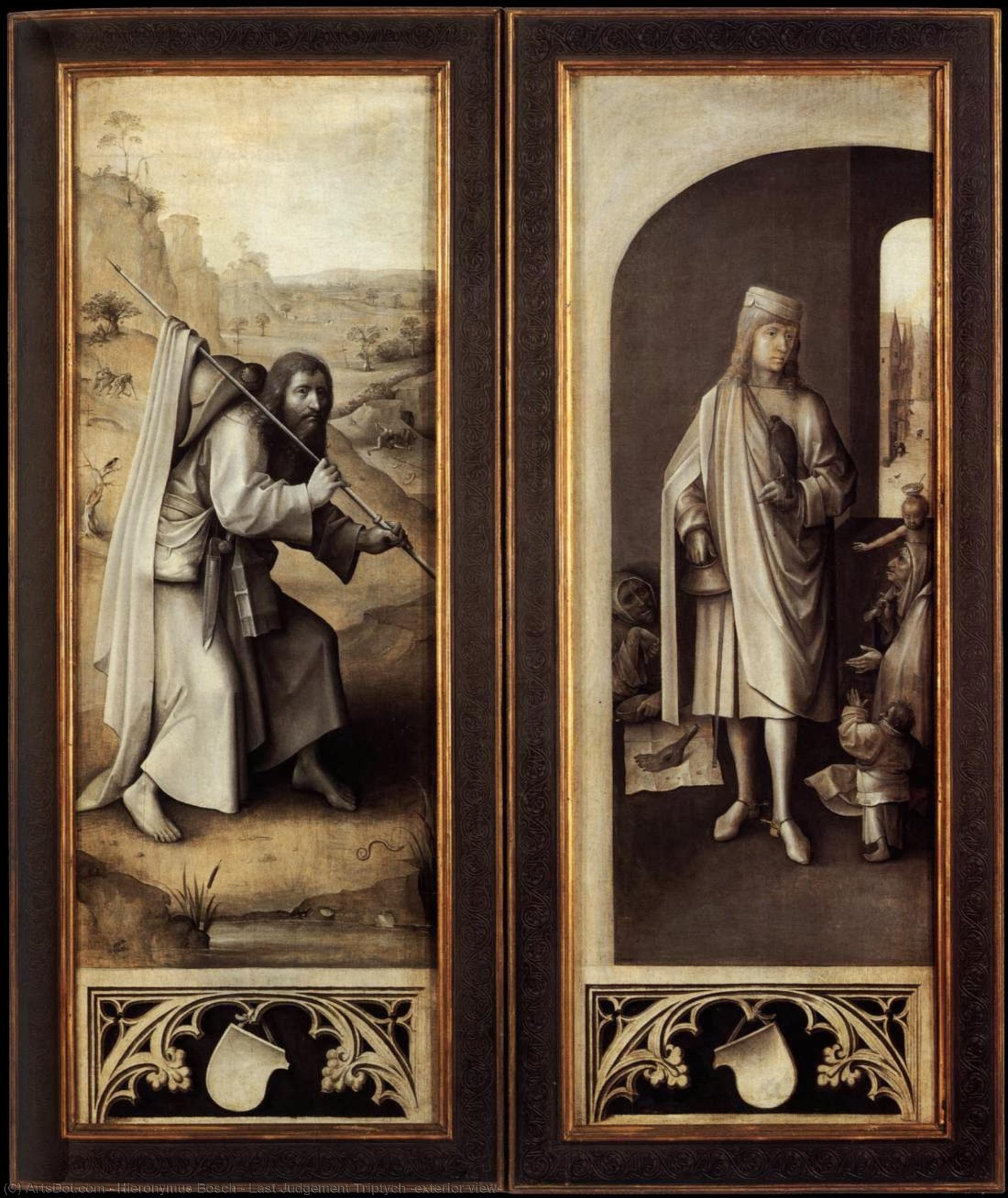
A hauntingly grotesque vision of divine retribution unfolds in Hieronymus Bosch's Northern Renaissance masterpiece Last Judgement Triptych, inviting you to explore the profound depths of this legendary work.
Discover Hieronymus Bosch (c. 1450-1516), Dutch Renaissance master of surrealism & symbolism. Explore his iconic paintings, religious themes, and nightmarish visions – a lasting influence on art history.
Explore the Akademie der bildenden Künste Wien, Austria’s prestigious art school since 1688! Discover masterpieces by Rubens & Bosch, delve into art history and witness inspiring contemporary exhibitions.
A Descent into Moral Judgment: Exploring Bosch’s Last Judgement Triptych
The enigmatic vision of Hieronymus Bosch, known as the Last Judgement Triptych, continues to fascinate art historians and captivate audiences centuries after its creation. Painted around 1504 in ’s-Hertogenbosch, Netherlands—a city brimming with religious fervor during Bosch’s lifetime—this monumental artwork transcends mere depiction; it plunges viewers into a psychological landscape of fear, repentance, and divine retribution. The painting's unsettling beauty lies not just in its meticulous detail but also in its profound exploration of human morality and the consequences of earthly transgressions.
The Style and Technique: A Gothic Nightmare Embodied
Bosch’s style is undeniably distinctive—a jarring blend of realism and fantastical imagination that firmly establishes him as a pioneer of Northern Renaissance art. Departing from the idealized figures prevalent in much of his era, Bosch presents grotesque creatures and distorted human forms alongside serene saints and judges. The technique employed is masterful: oil paint on wood panels allows for incredible luminosity and textural richness, capturing the unsettling atmosphere with remarkable precision. Bosch’s meticulous layering of pigments—often incorporating iridescent glazes—creates a shimmering surface that enhances the hallucinatory quality of the scene. He meticulously rendered every element, from the thorny bushes to the grotesque faces of the damned, demonstrating an unparalleled command of artistic craft.
Historical Context: Reformation Anxiety and Moral Reflection
The Last Judgement Triptych emerged during a period of intense religious upheaval—the Protestant Reformation was reshaping Europe, challenging papal authority and sparking debates about salvation. Bosch’s work reflects this societal anxiety, portraying humanity as vulnerable to divine judgment and highlighting the importance of moral conduct. The triptych itself is structured around biblical themes – the Second Coming of Christ, the weighing of souls, and the eternal reward for righteousness—but Bosch elevates these narratives beyond theological dogma into a visceral confrontation with human nature’s darker impulses. He doesn't offer comfort or reassurance; instead, he compels contemplation on our own mortality and responsibility.
Symbolism: Decoding Layers of Meaning
Bosch’s imagery is rife with symbolism, drawing heavily from medieval folklore and Christian iconography. The central panel depicts a terrifying panorama of Hell—a swirling vortex populated by demons, tortured souls, and monstrous animals—representing the ultimate punishment for sin. Recurring motifs include serpents, skulls, and grotesque hybrids—symbols of corruption, death, and demonic influence. Even seemingly innocuous elements like thorns and branches carry significant weight, representing suffering and spiritual struggle. Bosch’s genius lies in his ability to convey complex theological ideas through unsettling visual metaphors, prompting viewers to grapple with profound questions about faith and morality.
Emotional Impact: A Portrait of Existential Dread
The Last Judgement Triptych doesn't aim for aesthetic pleasure; it seeks to provoke emotional response—a feeling of unease, apprehension, and perhaps even horror. Bosch’s masterful use of color—particularly reds and yellows—intensifies the dramatic tension, mirroring the fiery torment of Hell. The faces of the damned are contorted in expressions of anguish and despair, conveying the inescapable reality of divine judgment. Viewing this artwork is akin to confronting one's own inner demons—a powerful reminder of our vulnerability and the imperative to strive for righteousness. It remains a testament to Bosch’s enduring ability to capture the anxieties of his time and to communicate timeless truths about human existence.