A Descent into Delight and Disquiet: Exploring Hieronymus Bosch’s ‘Lustarnas Left’
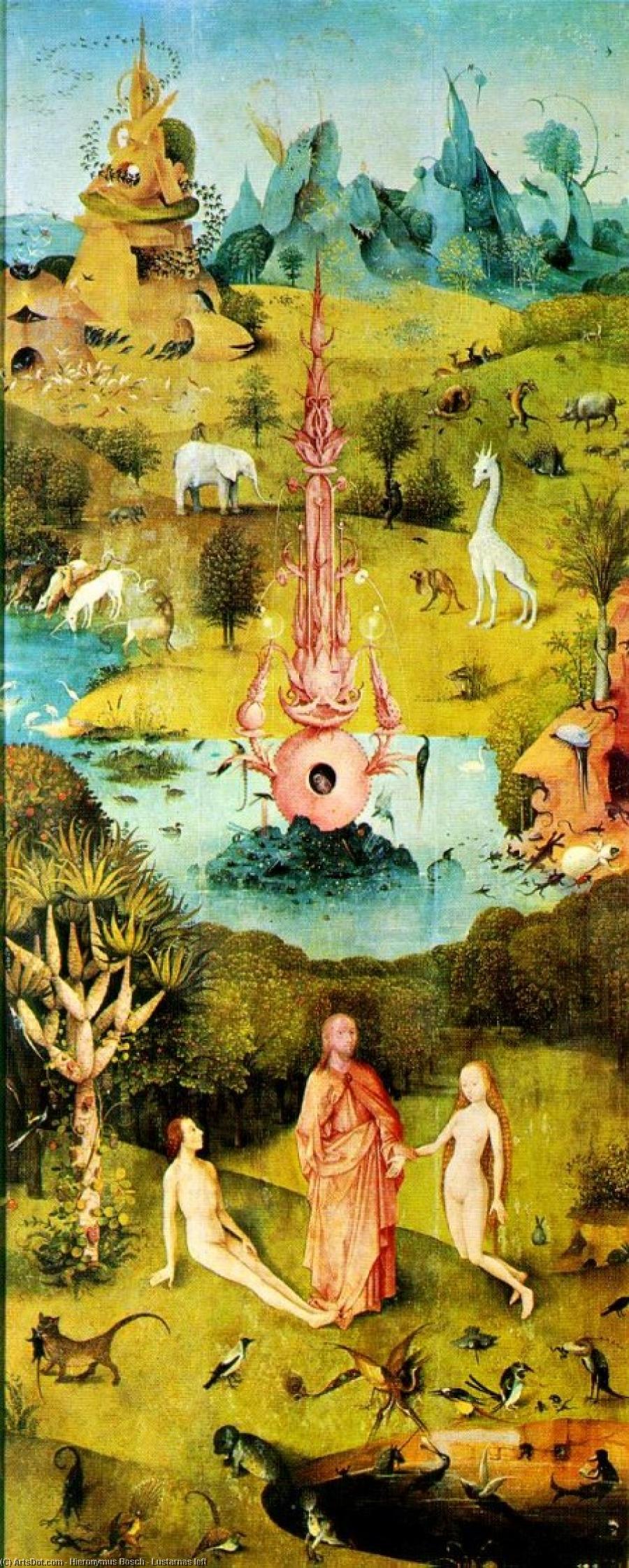
Hieronymus Bosch's 'Lustarnas left,' a fragment of his monumental vision for the Garden of Eden, is not merely a depiction of paradise lost; it’s an unsettling plunge into the complexities of human desire and moral ambiguity. Painted in the early 16th century, during a period of profound religious questioning and societal upheaval, this oil-on-panel work embodies Bosch's signature style – a captivating blend of meticulous detail, fantastical imagery, and deeply layered symbolism that continues to provoke and intrigue viewers centuries later. The painting’s fragmented nature, as evidenced by its status as a left panel from a larger triptych, only amplifies its enigmatic quality, inviting us to piece together the narrative and grapple with its unsettling truths.
Bosch's technique is immediately arresting. He employs an impasto style, building up thick layers of paint that give the surface a tactile, almost sculptural presence. This isn’t simply about rendering form; it’s about imbuing the scene with a sense of vitality and movement. The use of color is equally deliberate – vibrant reds and yellows contrast sharply with earthy browns and greens, creating a visual tension that mirrors the painting's thematic concerns. Notice how he masterfully uses light to draw our eye through the crowded composition, highlighting key figures and elements while obscuring others in shadow, contributing to the overall atmosphere of both abundance and impending doom.
The Garden Transformed: Setting, Figures, and Animals
‘Lustarnas left’ transports us to a reimagined Eden, far removed from the serene depictions favored by earlier Renaissance artists. Bosch replaces idealized landscapes with a chaotic, teeming world populated by an astonishing array of animals – cows grazing languidly, birds soaring through the air, horses engaged in playful pursuits – all interwoven with human figures. These aren’t pious Adam and Eve; instead, we encounter three individuals caught in various states of interaction. One stands poised near the left edge, seemingly observing the scene with a detached curiosity; another is positioned centrally, perhaps engaging in some form of activity; and a third occupies the right side, suggesting a more active role within this strange realm.
The animals themselves are imbued with symbolic weight. Bosch frequently used them to represent human vices and temptations. The abundance of livestock could signify earthly pleasures and the dangers of unchecked indulgence – a potent warning against straying from God’s path. The birds, often depicted in flight, might symbolize fleeting desires or the ephemeral nature of worldly possessions.
Decoding the Symbolism: A World of Hidden Meanings
Bosch's work is renowned for its intricate symbolism, and ‘Lustarnas left’ offers a rich tapestry of interpretations. The very title, “Lustarnas left,” hints at the painting’s focus on earthly desires – lust in all its forms. The presence of numerous nude figures, engaged in seemingly innocent activities, belies a deeper critique of human behavior. Many scholars believe that Bosch was commenting on the moral failings of his time, exposing the corruption and decadence he witnessed within society. The inclusion of bizarre objects—a musical instrument, a strange device—further complicates the narrative, suggesting a world where reason and morality have been supplanted by irrationality and vice.
It’s important to remember that Bosch's symbolism is deliberately ambiguous, inviting viewers to engage in their own interpretations. He wasn’t offering simple moral lessons; rather, he was presenting a complex and unsettling vision of humanity – one grappling with its own desires and vulnerabilities. The painting echoes themes found in his other works, such as ‘The Garden of Earthly Delights,’ demonstrating a consistent preoccupation with the consequences of sin and the allure of temptation.
A Masterpiece Reimagined: Reproductions for the Modern Home
‘Lustarnas left’ remains one of Hieronymus Bosch's most captivating and challenging works. Its power lies not only in its technical brilliance but also in its profound exploration of human nature. ArtsDot.com offers meticulously crafted, hand-painted reproductions that faithfully capture the painting’s intricate details and atmospheric depth. These reproductions allow art enthusiasts to bring this extraordinary masterpiece into their own homes, sparking conversation and inviting contemplation on its enduring themes. Whether you are a seasoned collector or simply seeking a unique piece of art to elevate your interior design, a reproduction of ‘Lustarnas left’ is an investment in a work that continues to resonate with viewers across generations.