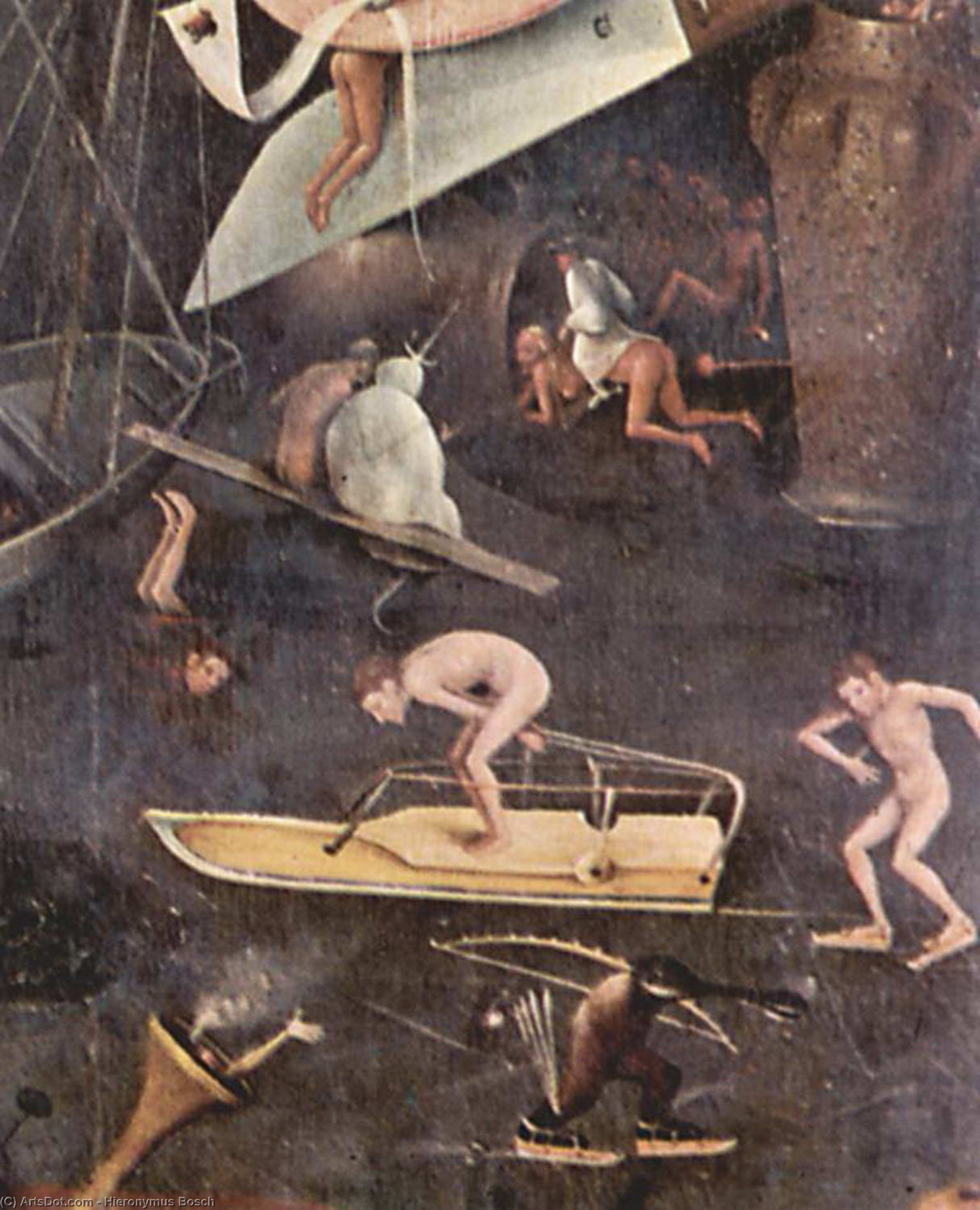
Bosch’s ‘Garden of Earthly Delights,’ a hallucinatory panorama brimming with bizarre figures and fantastical creatures, captures the unsettling spirit of Renaissance Netherlandish art. Explore this iconic masterpiece and bring its captivating vision home.
A Window into Paradise Lost: Examining Detail in Bosch’s “The Garden of Earthly Delights”
The painting "The Garden of Earthly Delights" by Hieronymus Bosch remains an enduring enigma, captivating viewers centuries after its creation. More than just a visually arresting spectacle—a riot of fantastical creatures and unsettling human figures—it's a profound meditation on sin, temptation, and the precarious balance between earthly pleasure and divine judgment. This particular detail shot offers a glimpse into Bosch’s masterful technique and invites us to delve deeper into the complexities of his vision.
- Composition & Perspective: Bosch employs a layered perspective that draws the eye inwards, creating an immersive experience for the viewer. The central panel dominates the composition, presenting a sprawling landscape populated by bizarre animals—giant birds with human faces, grotesque fruits bearing disturbing expressions—and humans engaged in hedonistic pursuits. This deliberate disorientation mirrors the psychological turmoil at the heart of the artwork.
- Technique – Oil Paint on Wood Panel: Bosch’s signature technique is oil paint applied onto a wooden panel, a method that allowed for incredible detail and luminosity. Observe how the artist meticulously renders textures—the velvety sheen of flesh, the prickly surface of thorny plants—capturing an astonishing level of realism within his fantastical realm. The subtle blending of colors contributes to the painting’s ethereal quality.
- Symbolism – Recurring Motifs: Throughout “The Garden,” Bosch utilizes recurring motifs laden with symbolic significance. The boat, prominently positioned on the left side, represents purgatory—a transitional space between earthly life and eternal salvation. The surfboard symbolizes fleeting pleasure and indulgence, highlighting the dangers of prioritizing worldly desires over spiritual contemplation.
Historical Context: Reformation Anxiety & Moral Critique
Bosch’s masterpiece emerged during a period of intense religious upheaval—the Protestant Reformation was reshaping Europe—and he served as court painter to Philip II, the Catholic monarch. This patronage afforded him access to considerable resources but also placed him under pressure to produce works that affirmed papal authority. However, Bosch refused to compromise his artistic integrity, channeling his anxieties about moral decay and spiritual corruption into a powerfully unsettling critique of human behavior. He wasn’t simply depicting fantastical imagery; he was conveying a profound theological message.
- Psychological Depth: Beyond its visual splendor, “The Garden” possesses remarkable psychological depth. Bosch explores the darker recesses of the human psyche—fear, desire, guilt—presenting them not as monstrous aberrations but as inescapable aspects of our condition. The figures depicted are often caught in moments of vulnerability and confusion, reflecting the struggle between good and evil within each individual.
- Emotional Impact: Viewing this detail compels us to confront uncomfortable truths about human nature. Bosch’s unsettling imagery evokes a visceral reaction—a sense of unease, fascination, and perhaps even horror—forcing viewers to contemplate their own moral compass. It's precisely this emotional resonance that ensures “The Garden” continues to inspire debate and admiration.
Why Reproduce This Artwork?
A high-quality reproduction of "The Garden of Earthly Delights" transcends mere decoration; it’s an invitation to engage with one of art history's most intellectually stimulating works. ArtsDot offers meticulously crafted reproductions that faithfully capture Bosch’s luminous palette and intricate detail, allowing you to bring this iconic masterpiece into your home or workspace. Consider how the artwork’s symbolism—the boat, the surfboard—can serve as a reminder of the importance of balance and contemplation in our daily lives.