Discover Hieronymus Bosch (c. 1450-1516), Dutch Renaissance master of surrealism & symbolism. Explore his iconic paintings, religious themes, and nightmarish visions – a lasting influence on art history.
Explore the Museo Nacional del Prado in Madrid! Discover masterpieces by Velázquez, Goya & El Greco, spanning centuries of European art. A must-see cultural landmark!
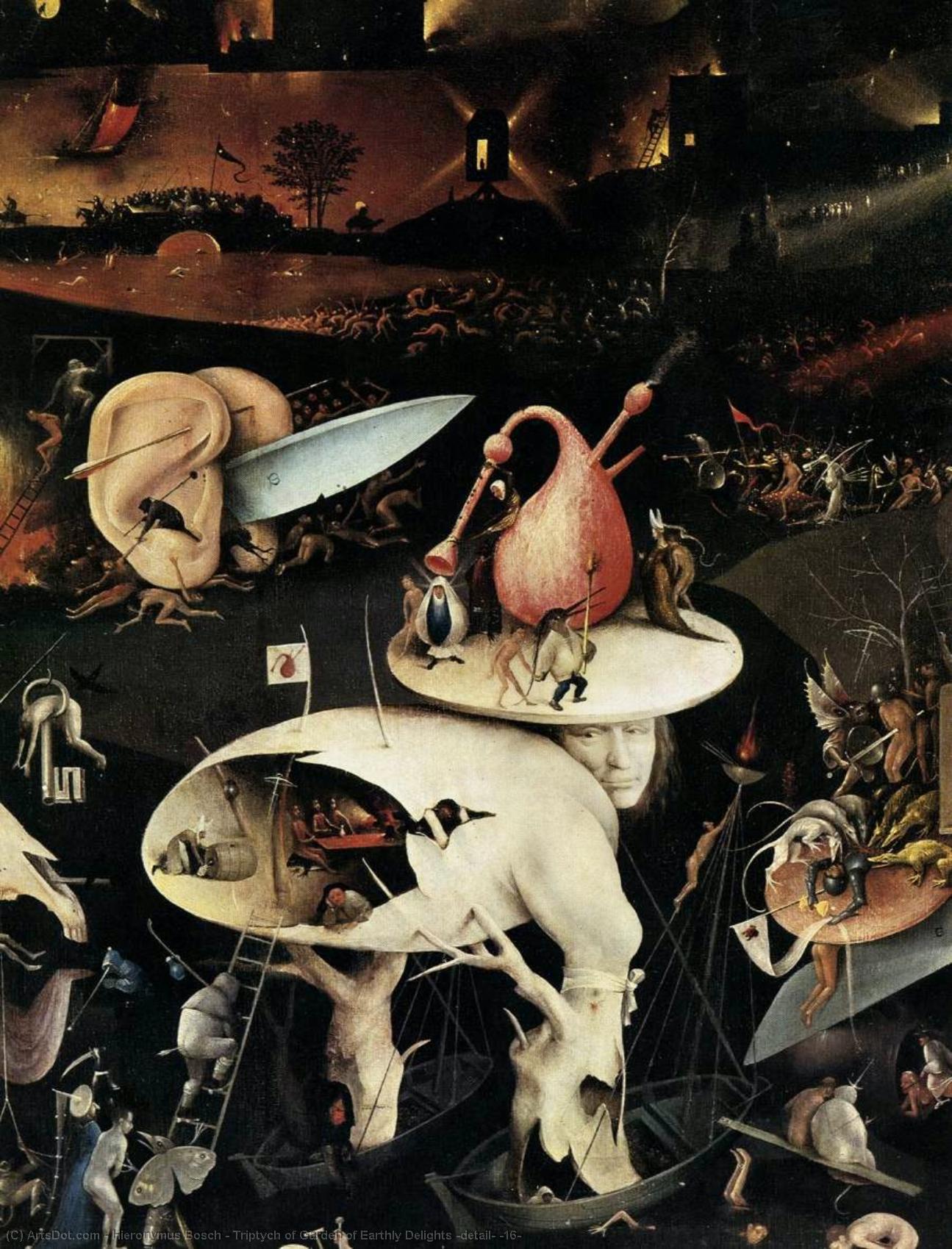
A Descent into Delightful Darkness: Examining Bosch’s ‘Triptych of Garden of Earthly Delights’ (Detail)
Hieronymus Bosch's 'Triptych of Garden of Earthly Delights,' a cornerstone of Early Netherlandish painting, continues to fascinate audiences centuries after its creation. Completed around 1500, this monumental artwork transcends mere visual representation; it plunges viewers into a meticulously crafted allegory exploring themes of sin, temptation, and divine judgment—all rendered with an unsettling blend of meticulous detail and hallucinatory imagination. The fragment presented here offers a glimpse into the central panel’s vibrant chaos, inviting us to delve deeper into Bosch's singular artistic vision.
- Subject Matter & Narrative Framework: At its core lies a depiction of Paradise Lost reimagined as a hedonistic landscape populated by grotesque figures indulging in sensual pleasures. The scene unfolds across three interconnected panels—the Garden of Eden, the Lustful Garden, and Hell—each meticulously rendered to convey Bosch’s profound theological concerns. This tripartite structure isn't merely decorative; it serves as a visual roadmap for interpreting the overarching moral message.
- Style & Technique: Bosch’s distinctive style is characterized by an unparalleled level of realism combined with fantastical elements—a technique he termed ‘grotesquerie.’ Employing oil paint on oak panel, he achieved astonishing textural depth and luminosity through painstaking layering and glazing. Observe the meticulous rendering of skin tones, drapery folds, and animal anatomy, juxtaposed against bizarre creatures and impossible geometries.
- Historical Context: Bosch’s work emerged during a period of intense religious anxiety in Europe following the Reformation. The anxieties surrounding papal authority and moral corruption fueled artistic explorations into the darker side of human nature—a preoccupation evident throughout his oeuvre. Furthermore, Bosch's imagery draws heavily from medieval folklore and biblical symbolism, reflecting the pervasive influence of Christian tradition on Renaissance thought.
Symbolism & Imagery:
The central panel is dominated by a colossal white bird carrying a multitude of naked figures—representing humanity—towards a swirling vortex leading to Hell. Scattered throughout the scene are bizarre animals – lions, foxes, birds – each imbued with symbolic significance reflecting moral failings and temptations. The presence of swords symbolizes violence and aggression, mirroring the destructive consequences of sinful desires. Bosch’s masterful use of color contributes to the unsettling atmosphere, employing muted hues punctuated by flashes of vibrant reds and yellows to heighten emotional impact.
- Emotional Resonance: ‘Triptych of Garden of Earthly Delights’ doesn't aim for comforting beauty; rather, it confronts viewers with uncomfortable truths about human vulnerability and moral responsibility. Bosch compels us to contemplate the perilous allure of earthly pleasures and the inevitable reckoning awaiting those who abandon piety. The painting’s enduring power lies in its ability to provoke contemplation and inspire a visceral reaction—a testament to Bosch's genius as an artist and storyteller.
Concluding Thoughts:
Bosch’s ‘Triptych of Garden of Earthly Delights,’ even in this detailed fragment, remains an unparalleled achievement of artistic innovation. Its unsettling beauty continues to captivate scholars and artists alike, cementing its place as one of the most iconic images of the Renaissance—and a haunting reminder of humanity's capacity for both sublime creativity and profound moral corruption. Reproductions offer a chance to experience this masterpiece firsthand, bringing Bosch’s visionary world into your home or studio.