Discover Hieronymus Bosch (c. 1450-1516), Dutch Renaissance master of surrealism & symbolism. Explore his iconic paintings, religious themes, and nightmarish visions – a lasting influence on art history.
Explore the Museo Nacional del Prado in Madrid! Discover masterpieces by Velázquez, Goya & El Greco, spanning centuries of European art. A must-see cultural landmark!
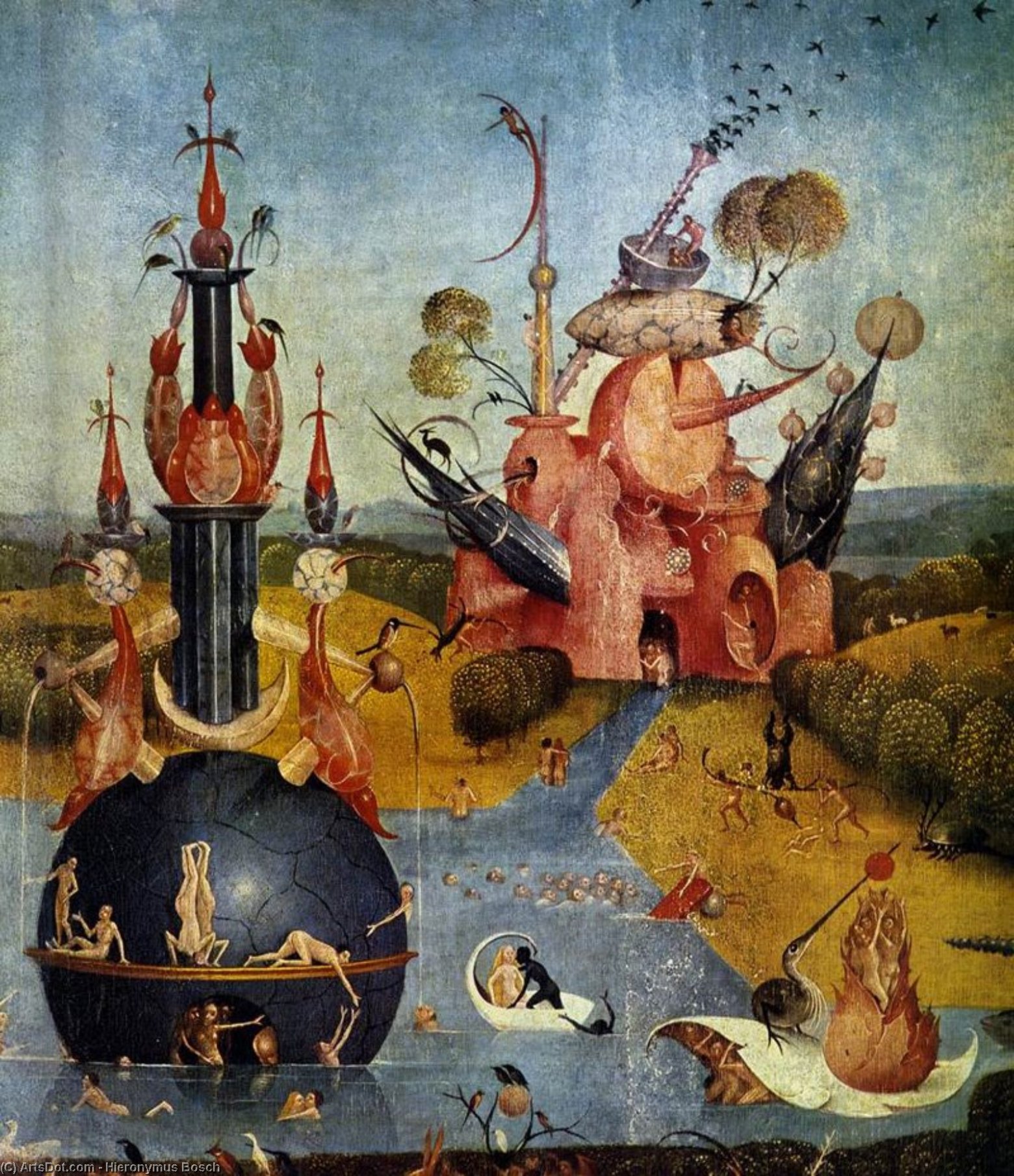
A Descent into Delightful Darkness: Examining Bosch’s ‘Triptych of Garden of Earthly Delights’ (Detail)
Hieronymus Bosch's 'Triptych of Garden of Earthly Delights,' completed around 1500, remains one of the most unsettling and captivating artworks of the Northern Renaissance. More than just a visually arresting spectacle—a riot of bizarre flora, fauna, and human figures engaged in hedonistic pursuits—it’s a profound meditation on sin, temptation, and divine judgment rendered with unparalleled artistic skill and psychological depth. This particular detail focuses on a microcosm of the larger scene, inviting us to delve into Bosch's masterful technique and unravel the complex tapestry of symbolism woven throughout his oeuvre.
- Technique & Material: Bosch employed grisaille—a monochrome painting technique utilizing shades of grey—on oak panels, a common practice for altarpieces during his time. The meticulous layering of paint reveals an astonishing level of detail, achieved through painstaking glazing and scumbling, demonstrating Bosch’s mastery of oil paints. Observe how the artist skillfully captures textures – from the velvety petals of fantastical flowers to the rough bark of trees – creating a palpable sense of realism within this fantastical realm.
- Composition & Perspective: The composition is deliberately disorienting, mirroring the psychological turmoil depicted in the painting. Bosch utilizes aerial perspective—a technique that diminishes color intensity and softens contours as objects recede into the distance—to heighten the feeling of unease and emphasize the vastness of this subterranean paradise. Notice how figures are positioned at varying levels, creating a dynamic interplay between foreground and background.
Historical Context & Religious Allegory
Bosch’s work emerged during a period marked by significant religious anxieties—the Reformation was gaining momentum across Europe—and fueled by anxieties about mortality. The Garden of Earthly Delights draws heavily upon biblical imagery, specifically Genesis 3 – the Fall of Man – presenting Adam and Eve as figures caught in the throes of sensual indulgence amidst grotesque representations of earthly pleasures. However, Bosch doesn’t simply depict sin; he confronts viewers with its consequences—decay, corruption, and ultimately, divine retribution. This duality underscores the artist's humanist concern for moral responsibility.
Symbolism: Decoding the Fantastical Landscape
The Garden of Earthly Delights is saturated with symbolism that transcends literal representation. The central panel depicts a hedonistic banquet scene populated by grotesque figures indulging in bizarre rituals and consuming disturbing delicacies. Animals—including birds, fish, and reptiles—appear to embody various vices and temptations. The clock symbolizes the passage of time and the inevitability of judgment, while the vase represents sterility and the futility of earthly pursuits. Each element contributes to a larger narrative about human desire and its perilous relationship with divine grace.
Emotional Impact & Legacy
Bosch’s masterpiece continues to fascinate audiences centuries later due to its unsettling beauty and profound psychological insight. It evokes feelings of horror, fascination, and contemplation—challenging viewers to confront uncomfortable truths about human nature. The painting's enduring influence can be seen in subsequent artistic movements, particularly Surrealism, where artists sought to capture the irrational anxieties and dreamlike visions characteristic of Bosch’s imagination. ‘Triptych of Garden of Earthly Delights’ remains a testament to Bosch’s unparalleled ability to translate complex theological ideas into unforgettable visual experience—a haunting reminder that beauty can coexist with darkness.