A Glimpse Behind the Curtain: Decoding Degas’s “At the Ballet”
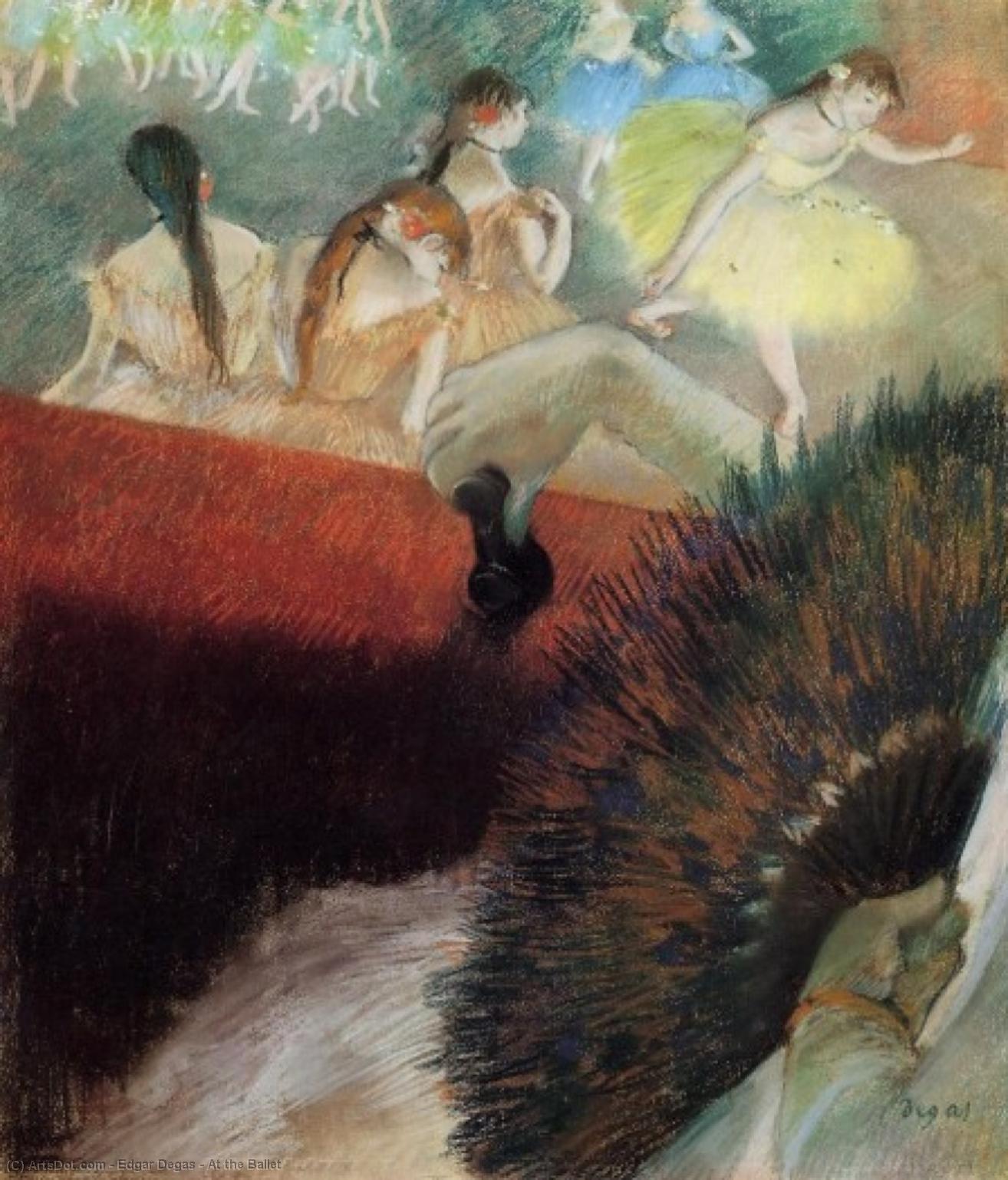
Edgar Degas's 1881 pastel work, *At the Ballet*, offers a captivating and unusually intimate view into the world of Parisian ballet – not from the opulent perspective of the audience, but from backstage amidst preparation and anticipation. This piece is far more than just a depiction of dancers; it’s a study of human moments, fleeting expressions, and the dedicated artistry required to create an illusion of effortless grace on stage.
Impressionism & Realist Roots: Degas's Unique Style
Though often categorized as an Impressionist, Degas himself resisted the label, preferring to be seen as a realist. *At the Ballet* beautifully exemplifies this nuanced approach. While employing the soft, feathery pastel strokes characteristic of Impressionism to capture light and atmosphere, he maintains a strong focus on precise observation and realistic representation of figures and space. The composition isn’t about capturing a fleeting moment in time solely for its aesthetic qualities; it's about meticulously documenting a specific reality – the bustling, imperfect world behind the scenes. The muted color palette, dominated by reds, greens, and subtle earth tones, contributes to this sense of immediacy and authenticity.
Composition & Subject Matter: A World in Waiting
Degas masterfully arranges his subjects within a dynamic yet contained space. The composition is deliberately asymmetrical, drawing the eye across various points of interest.
- A central dancer commands attention as she performs a leap, her skirt held aloft – a moment frozen in time that speaks to both strength and vulnerability.
- Other dancers are depicted in states of rest or preparation: stretching, adjusting costumes, or simply observing. This creates a sense of layered activity and the quiet energy before a performance.
- The inclusion of figures seated in the audience hints at the watchful eyes that both support and judge these performers.
This isn’t a romanticized vision of ballet; it's a candid portrayal of the hard work, discipline, and occasional weariness inherent in the profession.
Historical Context & The Ballet Craze
The late 19th century witnessed an explosion of interest in ballet within Parisian society. Degas was deeply fascinated by this world, attending performances regularly and developing close relationships with dancers. His work reflects not only the aesthetic beauty of dance but also a growing social awareness of the lives of these performers – often young women from modest backgrounds striving for success on stage. Marie van Goethem, one of Degas’s frequent models, embodies this reality; her story is intertwined with many of his ballet paintings and sculptures, offering a poignant glimpse into the challenges faced by aspiring dancers during that era.
Symbolism & Emotional Resonance
Beyond its realistic depiction, *At the Ballet* carries subtle symbolic weight. The contrast between the vibrant energy of the performing dancer and the more subdued postures of those waiting in the wings speaks to themes of ambition, expectation, and the transient nature of performance. The slightly awkward or unconventional poses adopted by some figures suggest a sense of vulnerability and the pressures faced by these young women.
The painting evokes a feeling of quiet anticipation mixed with underlying tension, inviting viewers to contemplate the dedication and sacrifices required to pursue artistic excellence.
A Timeless Masterpiece for Your Space
*At the Ballet* is more than just a beautiful artwork; it’s a window into a specific time and place, offering insights into both the art of ballet and the human condition. Its dynamic composition, subtle color palette, and evocative subject matter make it an ideal addition to any collection or interior space.
A high-quality reproduction allows you to bring this iconic work into your home, adding a touch of elegance, sophistication, and artistic depth. It’s particularly well-suited for spaces designed to inspire creativity, contemplation, or simply appreciate the beauty of art.