A Glimpse Behind the Curtain: Exploring Degas’s “Dancer in her Dressing Room”
Edgar Degas's "Dancer in her Dressing Room," painted in 1879, isn’t merely a depiction of a ballerina; it’s a profound meditation on fleeting beauty, the solitude of artistic creation, and the backstage realities of the Parisian ballet world. This intimate scene, housed within the Norton Simon Museum in Pasadena, California, offers a rare and compelling window into Degas's meticulous observation and his unique approach to capturing movement and emotion. Unlike many artists who sought grand narratives, Degas focused on the quiet moments, the preparatory rituals, and the unspoken dramas that unfolded behind the glittering facade of performance.
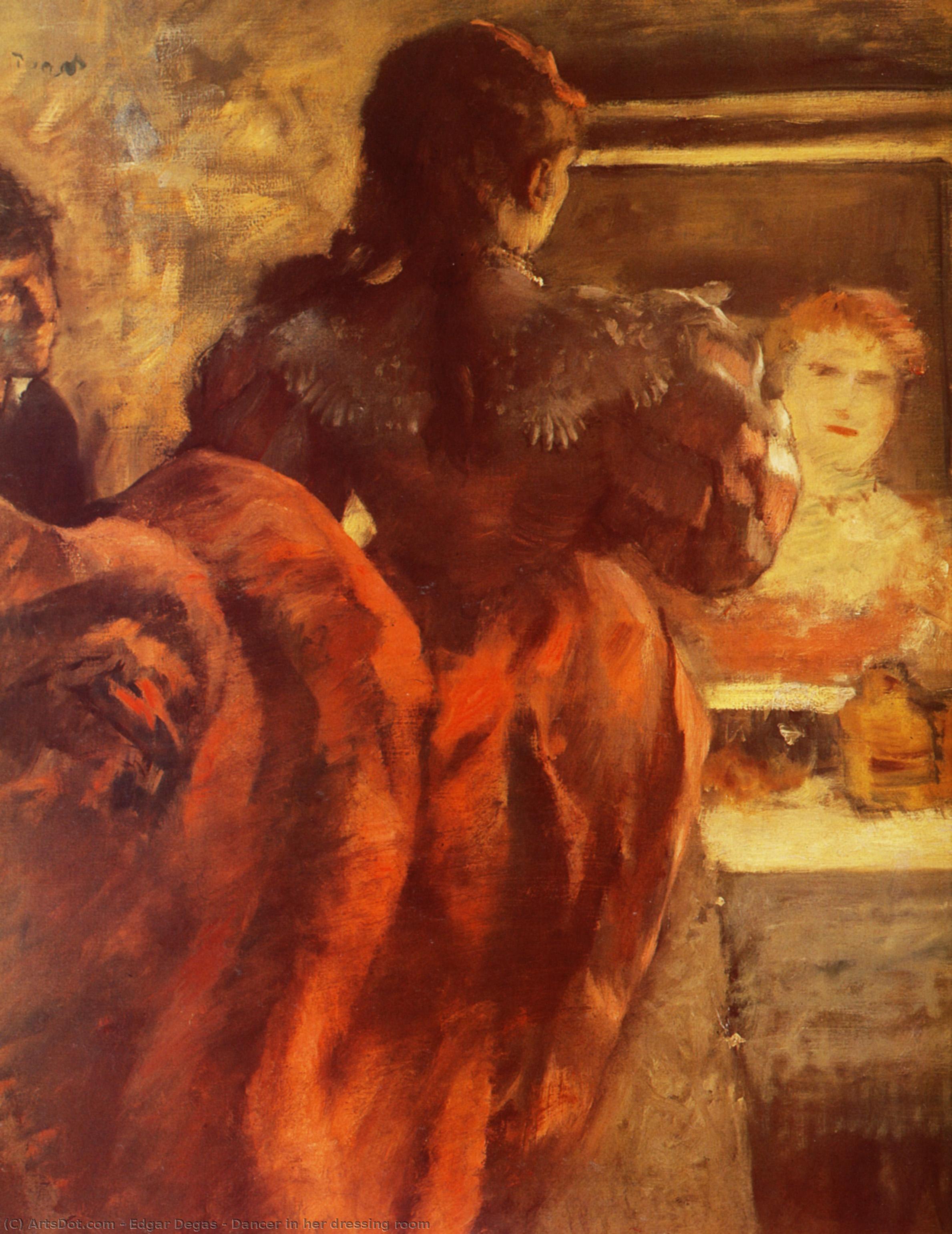
The painting immediately draws the eye to the central figure – a dancer poised in her dressing room, bathed in the soft light filtering through the window. Her scarlet tutu, a vibrant splash against the muted tones of her black bodice adorned with feathers, speaks volumes about her profession and the inherent glamour associated with ballet. Yet, there’s an undeniable sense of vulnerability in her posture, a quiet contemplation that belies the energetic performance she is about to deliver. The mirror reflects not just her image but also the room itself – a space of preparation, of anticipation, and perhaps, of fleeting self-awareness.
Impressionistic Techniques: Pastel’s Delicate Dance
Degas's masterful use of pastel is crucial to understanding the painting’s evocative power. Unlike oil paints, pastels offer a remarkable ability to capture subtle gradations of tone and color, mirroring the softness and diffused light characteristic of Impressionism. He employs a broken brushstroke technique, layering colors to create an atmospheric effect rather than rendering surfaces with sharp detail. This approach lends the scene a hazy, dreamlike quality, emphasizing the ephemeral nature of the moment. Notice how he uses cool blues and greens in the background to contrast with the warmth of the dancer’s red attire – a deliberate choice that directs our attention to her figure.
The inclusion of the yellow vase adds another layer of visual interest. It's not just an object; it acts as a focal point, its bright color cutting through the muted palette and subtly illuminating the scene. The placement of the vase, slightly out of focus, suggests a casualness, a lived-in space that feels authentic rather than staged.
A Window into Degas’s World: Realism and Beyond
Despite being often associated with Impressionism, Degas considered himself a realist. He was deeply committed to portraying the world as he saw it – with unflinching honesty and meticulous detail. His fascination with ballet stemmed from his desire to capture the lives of dancers, not just their performances. He spent years observing them in rehearsal and backstage, documenting their routines, their interactions, and their struggles. “Dancer in her Dressing Room” is a testament to this dedication, offering a glimpse into the private world of these extraordinary women.
Degas’s work reflects his broader interest in modern life – particularly the burgeoning urban landscape of Paris. He was captivated by the dynamism and energy of the city, but he also recognized the loneliness and isolation that could accompany it. This painting, with its solitary figure and intimate setting, embodies this duality perfectly.
Symbolism and Emotional Resonance
Beyond its technical brilliance, “Dancer in her Dressing Room” resonates deeply on an emotional level. The dancer’s expression is ambiguous – a mixture of anticipation, vulnerability, and perhaps even weariness. She's caught in a liminal space between performance and rest, between the demands of her profession and the quiet moments of solitude. The mirror reflects not just her physical appearance but also the complexities of her identity as an artist and a woman navigating a demanding world. The painting invites us to contemplate the sacrifices made in pursuit of artistic expression and the often-hidden struggles behind the scenes of beauty and glamour.