A Moment Frozen in Grace: Edgar Degas' "Dancer with Raised Arms"
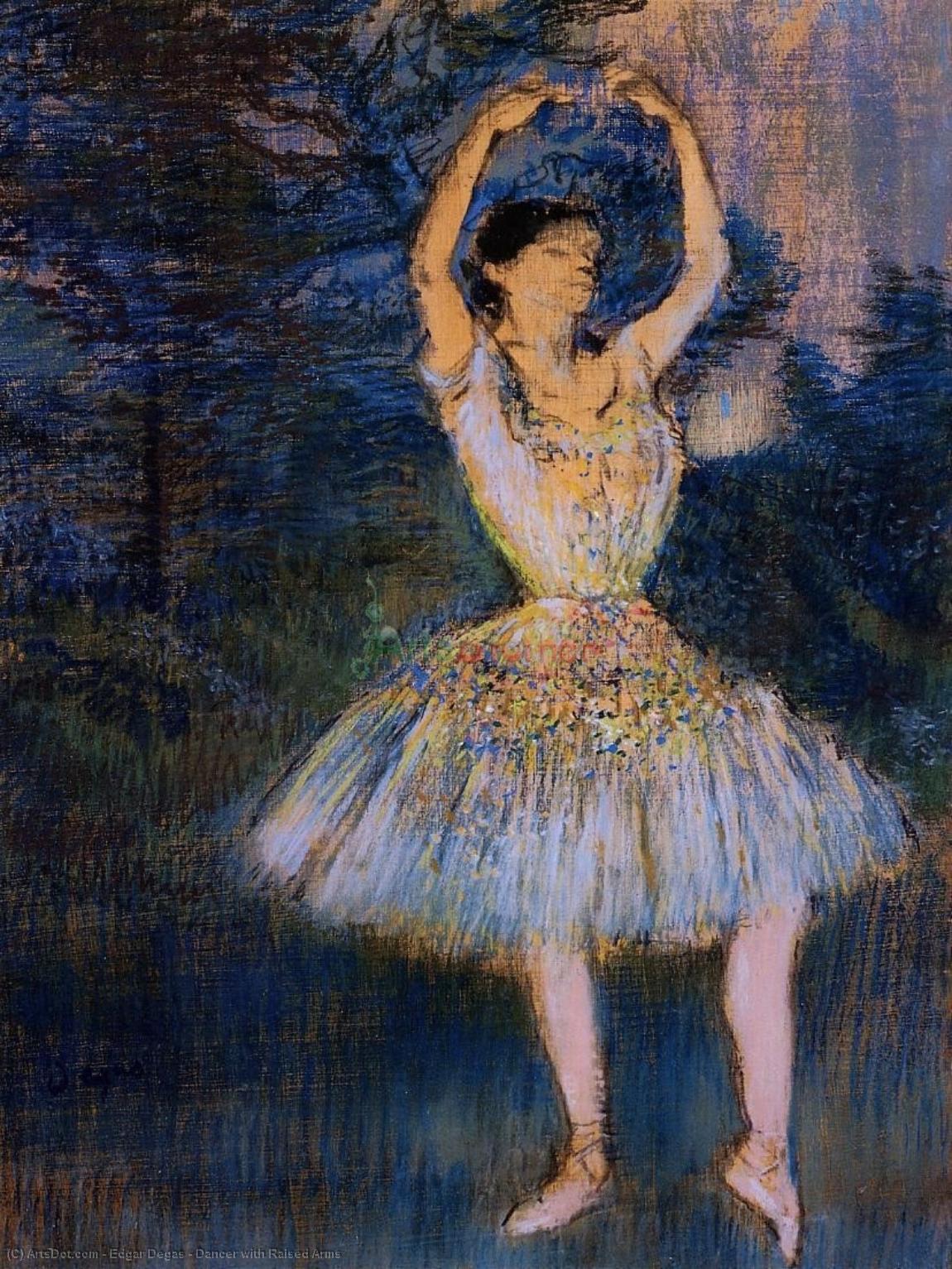
Edgar Degas’s “Dancer with Raised Arms,” painted in 1891, is more than just a depiction of a ballet dancer; it’s a profound meditation on movement, beauty, and the fleeting nature of performance. This pastel masterpiece, measuring 69 x 51 cm, immediately draws the viewer into a world of poised elegance and quiet intensity. Degas, a master of capturing transient moments, expertly renders the dancer's posture – arms raised as if caught mid-leap, her gaze lost in thought – creating an image that resonates with both physical dynamism and introspective stillness.
Impressionist Technique and Pastel’s Embrace
- Pastel Medium: Degas's choice of pastel is crucial to the work's impact. Pastels, known for their rich pigments and ability to blend seamlessly, allowed him to achieve a remarkable sense of texture and luminosity. The soft, hazy edges characteristic of Impressionism are beautifully realized here, conveying not just visual detail but also an atmospheric quality.
- Layered Application: Examination reveals a technique of layered application, building up color gradually to create depth and form. This meticulous process is evident in the delicate rendering of the dancer’s dress and the subtle shading of her skin.
- Color Palette: The artist employs a restrained yet vibrant palette – primarily blues, greens, and browns – punctuated by flashes of white and cream. These colors evoke the atmosphere of a rehearsal room or backstage, adding to the painting's sense of realism and immediacy.
Contextualizing the Dance: Degas and the Ballet World
Degas’s fascination with ballet stemmed from his close observation of Parisian dance academies during this period. He wasn't simply interested in portraying dancers as idealized figures; he sought to capture their raw physicality, their struggles, and their moments of intense concentration. “Dancer with Raised Arms” reflects this commitment to realism, offering a glimpse into the demanding world of professional ballet. The inclusion of trees in the background subtly references the natural setting often associated with ballet performances, grounding the scene in a broader context.
Symbolism and Emotional Resonance
The dancer’s raised arms are not merely a pose; they represent aspiration, vulnerability, and perhaps even a yearning for transcendence. The slightly off-balance stance suggests a moment of precarious beauty – a fleeting instant before the next movement. Degas's ability to imbue his subject with such emotional depth is a hallmark of his artistic genius. The painting speaks to themes of grace, discipline, and the human desire to express oneself through art.
A Legacy of Movement: Ownership and Appreciation
"Dancer with Raised Arms" stands as a testament to Degas's enduring legacy within the Impressionist movement. Its evocative portrayal of dance continues to captivate viewers today, offering a window into a bygone era while simultaneously exploring timeless themes of beauty, movement, and human emotion. A hand-painted reproduction offers an unparalleled opportunity to bring this iconic artwork into your home or office, allowing you to appreciate its intricate details and profound emotional impact for years to come.