Introduction
Edgar Degas, a French artist renowned for his paintings, sculptures, prints, and drawings, is celebrated as one of the founders of Impressionism. His work often focused on capturing fleeting moments in everyday life, with particular attention to movement and light. Among his most famous works is 'Orchestra Musicians', available at
ArtsDot.com.
Historical Context
Impressionism emerged in France during the late 19th century as a reaction against rigid academic painting rules. The movement aimed to capture the fleeting impressions of light and color in the natural world, often focusing on modern life. Degas was one of the pioneers of this art form, contributing significantly to its development through his innovative compositions and techniques.
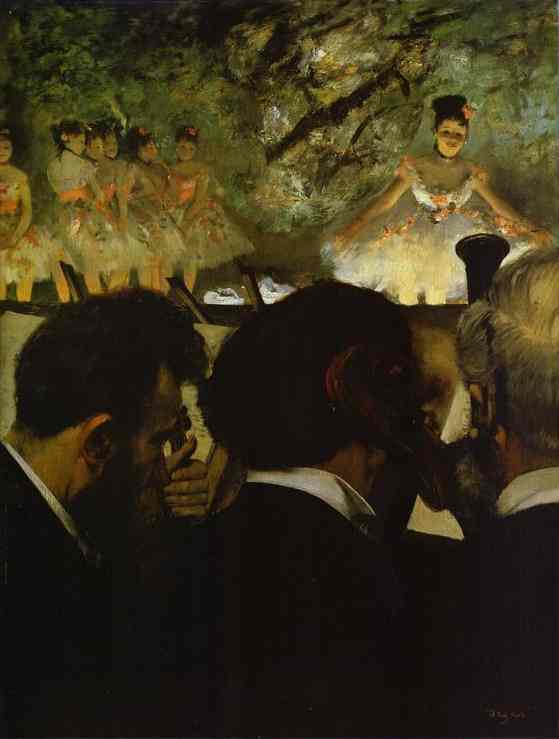
Orchestra Musicians
'Orchestra Musicians' is a prime example of Degas' mastery of capturing movement and light. The painting features musicians performing in an orchestra, with each figure displaying unique postures and expressions. By employing unconventional angles and cropped compositions, Degas invites the viewer to engage with the scene as an observer rather than a passive spectator.
Degas' Techniques
Degas was known for his experimentation with various techniques to achieve the desired effects in his paintings. In 'Orchestra Musicians', he used loose brushstrokes and vibrant colors to convey the atmosphere of the concert hall, while also highlighting the individual musicians' emotions and physicality. The interplay between light and shadow adds depth and dynamism to the composition.
Conclusion
Edgar Degas' 'Orchestra Musicians' is a remarkable testament to the artist's innovative approach to Impressionism. By focusing on movement, light, and unconventional compositions, Degas created a captivating scene that invites viewers to immerse themselves in the world of music and performance. To add this masterpiece to your art collection, visit
ArtsDot.com.
Edgar Degas: Orchestra Musicians (Impressionism, Oil) Image source:
ArtsDot.com