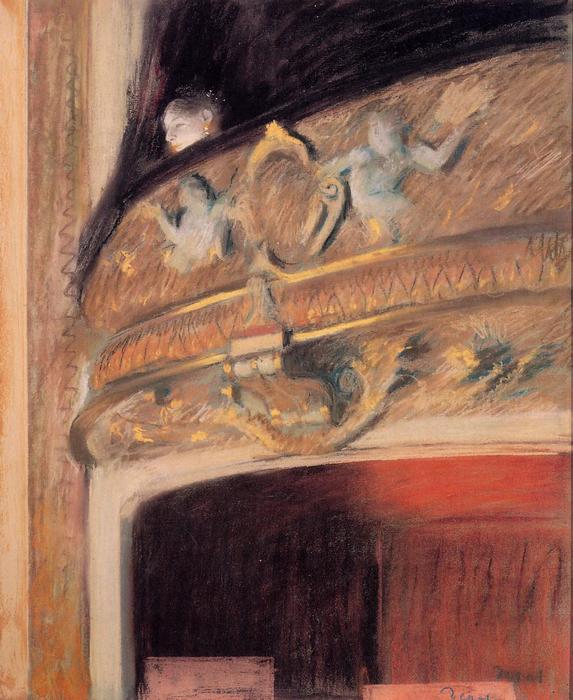
The Ballet Class (Degas, Musée d'Orsay)
“The Ballet Class” stands as a cornerstone of Edgar Degas’s oeuvre and a pivotal moment in Impressionist art history. Completed between 1874 and 1876, this oil painting captures an intimate tableau vivant—a “living picture”—within the Hôtel de Choiseul rehearsal studio, offering viewers a glimpse into the rigorous discipline and quiet observation that characterized Degas’s artistic vision.
Degas' fascination with ballet stemmed from his desire to portray movement authentically. Unlike many Impressionists who favored outdoor landscapes, he meticulously documented the ballet world, recognizing its inherent dynamism and capturing it with unparalleled precision. The painting isn’t merely a depiction of dancers; it’s an exploration of their psychological states—the boredom, exhaustion, and focused concentration that accompany the pursuit of perfection.
Technically masterful, “The Ballet Class” exemplifies Degas's signature style. He employed oil paints layered upon canvas with painstaking detail, utilizing subtle gradations of color to convey depth and texture. The velvety sheen of Perrot’s flannel suit—a deliberate choice reflecting his admiration for classical painting—contrasts sharply with the pale skin tones of the dancers, highlighting the interplay of light and shadow. Degas's meticulous sketching process informed his painting, ensuring that every gesture and expression was faithfully rendered.
Beyond its aesthetic qualities, “The Ballet Class” carries significant symbolic weight. The studio setting—characterized by a watchful stage mother and a simple can of water—represents the backstage realities of ballet performance. Degas’s inclusion of these elements underscores his commitment to portraying life as it truly is, rather than idealizing it. Furthermore, the dancer adjusting her slipper symbolizes grace and refinement, embodying the aspirations of the ballet dancers themselves.
The painting's enduring appeal lies in its ability to evoke a profound sense of atmosphere—a quiet stillness punctuated by fleeting moments of movement. It invites contemplation on themes of discipline, artistry, and the human condition. “The Ballet Class” remains an unforgettable testament to Degas’s genius and a timeless masterpiece of Impressionist art.