The Calvary Triptych: A Window into Late Medieval Devotion
The “Calvary Triptych” by Hugo van der Goes, completed around 1465-1468 in Ghent, Belgium, isn’t merely a depiction of a biblical scene; it's a profound meditation on faith, sacrifice, and the human condition. This remarkable work, now housed within the St. Bavo Cathedral in Ghent, offers a rare glimpse into the artistic sensibilities of a master who profoundly shaped the trajectory of Northern Renaissance painting. Van der Goes, a figure shrouded in some historical mystery yet undeniably influential, pushed beyond the established conventions of his time, imbuing his art with an unprecedented level of realism and psychological depth – qualities that would resonate powerfully with generations to come.
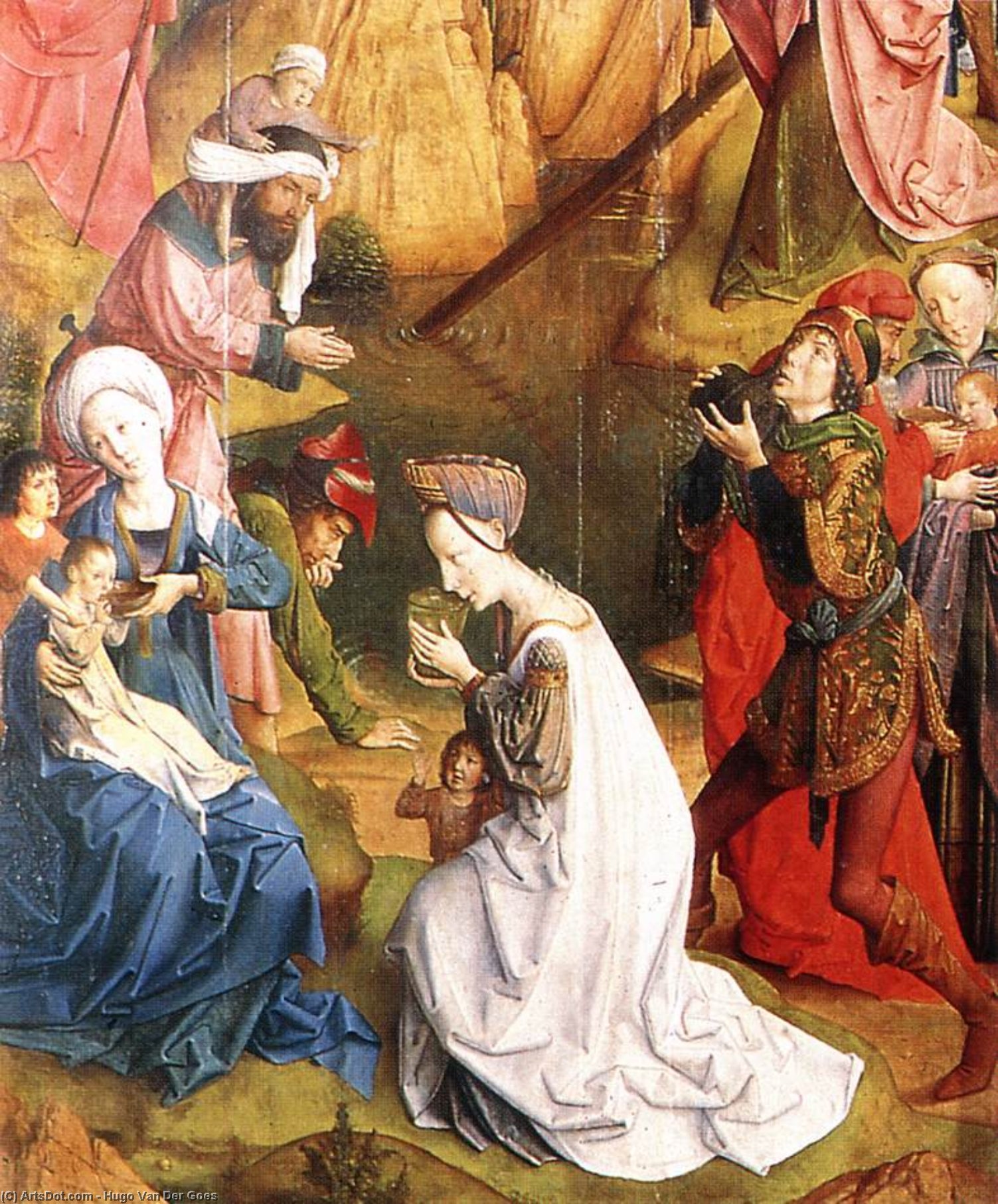
The triptych’s composition immediately draws the eye. It unfolds as a dramatic narrative, centered around the crucifixion of Christ. The central panel showcases the agonizing figure of Jesus on the cross, his body rendered with meticulous detail—every vein, every muscle strain visible in the stark light. Van der Goes masterfully captures not just the physical suffering but also the profound emotional weight of the moment, conveying a sense of despair and resignation that transcends mere representation. The figures surrounding Christ – Mary, grieving at his feet; John the Evangelist, offering wine; and other onlookers – are equally compelling, each rendered with individual character and expression. The artist’s use of color is particularly striking: deep reds and blues dominate, creating a somber yet intensely vibrant atmosphere.
A Masterclass in Flemish Realism
Van der Goes' genius lay not just in his ability to depict the scene faithfully but in his innovative approach to technique. He was a pioneer of Flemish realism, moving beyond the stylized forms and flattened perspectives that characterized much earlier Netherlandish painting. His brushwork is remarkably detailed and textured—notice the subtle variations in color, the delicate rendering of drapery, and the individual features of each figure. This meticulous attention to detail wasn’t simply about accuracy; it was a deliberate attempt to create an illusion of three-dimensionality, drawing the viewer into the scene and fostering a sense of immediacy. The use of oil paint allowed him to achieve subtle gradations of tone and color that were impossible with tempera, adding depth and luminosity to his work.
Furthermore, Van der Goes employed a sophisticated understanding of light and shadow – *chiaroscuro*—to sculpt the forms and create a dramatic sense of volume. The strong contrasts between light and dark not only emphasize the figures but also contribute to the overall emotional impact of the painting. The gold leaf accents, particularly on the garments and halo, further enhance the visual richness and draw attention to key elements within the composition.
Symbolism and Spiritual Resonance
Beyond its technical brilliance, the “Calvary Triptych” is rich in symbolic meaning. The crucifixion itself represents sacrifice, redemption, and the promise of salvation—central tenets of Christian faith. The presence of Mary, as Christ’s mother, underscores her role as a figure of compassion and maternal love. John the Evangelist, traditionally depicted with his musical instrument, symbolizes the proclamation of God's word. The onlookers, representing humanity, reflect on the significance of Christ’s sacrifice and their own relationship to faith.
The triptych format itself is significant. When closed, it presents a simple, yet powerful image of the Virgin Mary holding the infant Jesus—a poignant reminder of hope and innocence. When opened, the viewer is confronted with the full drama of the crucifixion, inviting contemplation and reflection on its profound theological implications. The work speaks to themes of mortality, suffering, and divine grace – enduring subjects that continue to resonate with audiences today.
A Legacy in Art History
Hugo van der Goes’ “Calvary Triptych” stands as a pivotal work in the development of Northern Renaissance art. His innovations in realism, psychological depth, and dramatic composition profoundly influenced subsequent generations of painters, including Jan van Eyck and Hans Memling. His emphasis on individual character and emotional expression paved the way for the more intimate and psychologically complex portraits that would become hallmarks of the Renaissance. The triptych’s enduring appeal lies not only in its artistic merit but also in its ability to evoke a powerful sense of empathy and spiritual contemplation—a testament to the genius of one of Flanders' greatest masters.