Ivan Shishkin (1832-1898) was a renowned Russian landscape painter celebrated for his realistic and detailed depictions of forests & fields. Discover iconic works like 'Morning in a Pine Forest' and experience the beauty of 19th-century Russia.
Immerse yourself in Russian art at the Tretyakov Gallery! Explore iconic icons, masterpieces by Repin & Levitan, and groundbreaking avant-garde works – a journey through centuries of national identity.
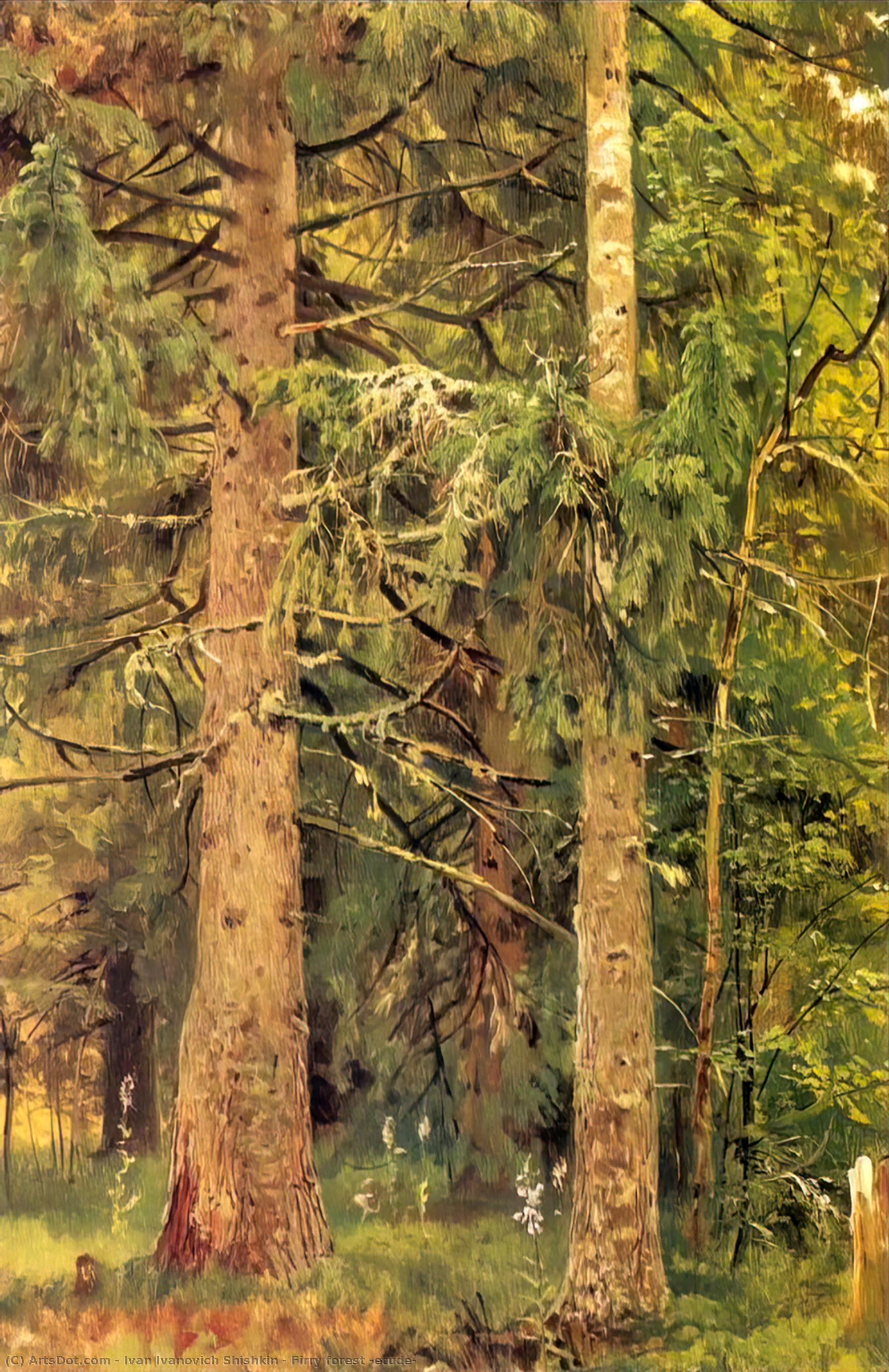
A Portrait of Grief: Ivan Shishkin’s “Firry Forest (Etude)”
Ivan Shishkin's "Firry Forest (Etude)" transcends mere landscape painting; it embodies the profound sorrow and moral reckoning that followed a horrific act – the assassination attempt on Tsar Alexander II. Completed in 1889, this oil-on-canvas masterpiece resides within the Tretyakov Gallery in Moscow, serving as a poignant testament to Shishkin’s artistic vision and his masterful depiction of human emotion amidst the grandeur of nature.
The Artist's Vision: Embracing Russian Landscape Painting
Shishkin, deeply influenced by Romanticism and Impressionism, championed a style characterized by meticulous observation and unwavering fidelity to reality. Unlike many artists of his time who idealized landscapes, Shishkin sought to capture not just what he saw but also the palpable atmosphere—the dampness of the moss, the scent of pine needles, the hushed stillness broken only by birdsong. This dedication to portraying the natural world wasn’t simply aesthetic; it reflected a broader philosophical stance – an appreciation for simplicity and honesty in confronting life's complexities. His work stands apart as one of the most important achievements of Russian landscape painting during the late 19th century.
Composition and Technique: Layers of Depth and Emotion
Measuring 55 x 40 cm, “Firry Forest (Etude)” employs a pyramidal composition that draws the viewer’s eye upwards towards the towering pines dominating the foreground. Shishkin skillfully utilizes chiaroscuro—the dramatic interplay between light and shadow—to sculpt the trees and create an illusion of depth. The artist meticulously blended pigments to achieve subtle gradations of color, capturing the nuances of forest foliage with remarkable accuracy. Notice how the muted greens and browns convey a sense of melancholy and contemplation – mirroring the emotional turmoil depicted in the scene. The inclusion of five birds perched on branches adds vibrancy to the composition while simultaneously emphasizing the fragility of life within this seemingly impenetrable wilderness.
Historical Context: Trauma and Reflection
The painting’s genesis lies in the turbulent political climate following Alexander II's assassination. Shishkin, profoundly affected by the event—and personally acquainted with those involved—infused “Firry Forest (Etude)” with a palpable sense of unease and remorse. The artist deliberately chose this subject matter to explore themes of violence, retribution, and the devastating consequences of impulsive action. As Repin himself recounted, he was haunted by Rimsky-Korsakov’s music – specifically “Vengeance” – which fueled his desire to portray the tormented soul grappling with moral responsibility. This painting isn't merely a beautiful depiction of a forest; it’s a profound meditation on human fallibility and the enduring power of grief.
Symbolism: The Forest as Mirror of Emotion
The dense fir trees symbolize resilience and endurance, yet their shadowed trunks speak to hidden sorrow and regret. The stillness of the forest serves as a counterpoint to the violent act that inspired Shishkin—a reminder that even amidst beauty and tranquility, darkness lurks beneath the surface. The birds represent fleeting moments of joy and innocence, tragically juxtaposed against the backdrop of despair. Ultimately, “Firry Forest (Etude)” invites viewers to contemplate the complexities of human experience and to recognize the enduring influence of trauma on artistic expression.