Jacob Cornelisz van Oostsanen (c. 1470-1533) was a pivotal Northern Netherlandish painter & woodcut designer, bridging Gothic and Renaissance styles in Amsterdam. Known for religious scenes, portraits, and detailed book illustrations reflecting early
Rijksmuseum
(Amsterdam, Netherlands)
Explore Dutch art & history at the Rijksmuseum Amsterdam! Marvel at Rembrandt, Vermeer & Van Gogh masterpieces in an iconic landmark – a journey through 800 years of culture.
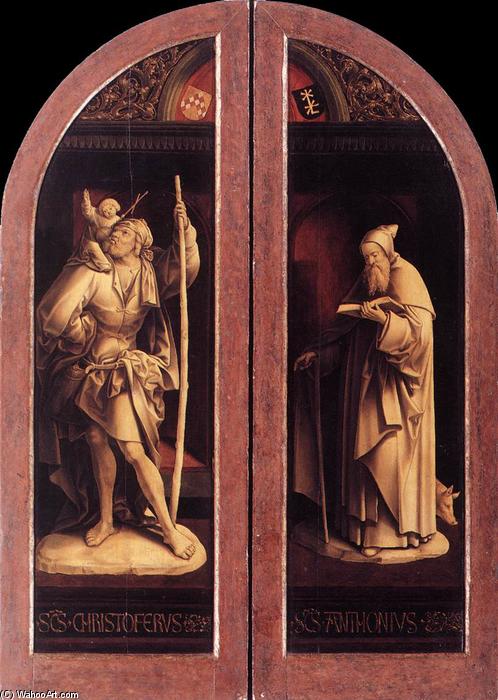
Sts Christopher and Anthony by CORNELISZ VAN OOSTSANEN – A Synthesis of Faith and Form
Jacob Cornelisz van Oostsanen’s “Sts Christopher and Anthony,” completed in 1517, stands as a remarkable testament to the burgeoning Renaissance spirit within Amsterdam’s artistic landscape. Emerging from Haarlem’s Gothic traditions—a heritage powerfully reflected in his brother Cornelis Buys I & II’s oeuvre—Oostsanen deftly embraced innovations originating from Florence and Nuremberg, establishing himself as one of the city's earliest and most influential artists.
- Subject Matter: The painting depicts two saints – Christopher and Anthony – engaged in prayer within a stylized architectural setting. This deliberate choice underscores the importance of piety and contemplation within humanist thought during the period.
- Style: Oostsanen’s approach leans heavily toward Early Netherlandish Mannerism, characterized by elongated figures, subtle drapery folds, and an emphasis on expressive gesture—elements that distinguish it from the more idealized forms prevalent in Florentine painting.
- Technique: Executed in oil paint on panel, Oostsanen employed meticulous layering techniques to achieve remarkable tonal gradations and textural nuances. The grisaille backgrounds contribute to a solemn atmosphere, highlighting the saints’ spiritual presence.
Historical Context: Amsterdam was experiencing rapid growth as a commercial hub during this era, attracting artists from across Europe who sought patronage and inspiration. Oostsanen's work reflects this cosmopolitan influence while retaining a distinctly Dutch sensibility—a harmonious blend of tradition and innovation.
Symbolism: The saints’ postures convey humility and devotion, mirroring the Christian virtues championed by humanist scholars. Christopher’s staff symbolizes protection and guidance, aligning with his role as patron saint of travelers. Anthony Abbot's habit represents ascetic piety and spiritual fortitude—qualities revered throughout Christendom.
Emotional Impact: “Sts Christopher and Anthony” evokes a profound sense of serenity and contemplation. The muted palette and carefully crafted composition invite viewers to immerse themselves in the saints’ inner world, fostering reflection on faith and spirituality. It remains an enduring masterpiece demonstrating Oostsanen's mastery of artistic expression.
- Provenance: Originally commissioned by Egmond Abbey, the painting underwent significant restoration efforts in recent decades ensuring its preservation for future generations.
- Location: Currently housed within the Rijksmuseum’s collection—Amsterdam—it is accessible to visitors eager to experience firsthand this iconic artwork of the Renaissance period.
Further Research:
The Adoration of the Magi (Jacob van Oostsanen) – Explore a similar masterpiece by Oostsanen showcasing his masterful use of color and composition.
Sts Christopher and Anthony by CORNELISZ VAN OOSTSANEN – Examine a detailed analysis of the painting’s iconography and artistic merits on the Web Gallery of Art.
Jacob Cornelisz van Oostsanen – Delve deeper into Oostsanen's life, influences, and artistic legacy through biographical information available on Wikipedia.