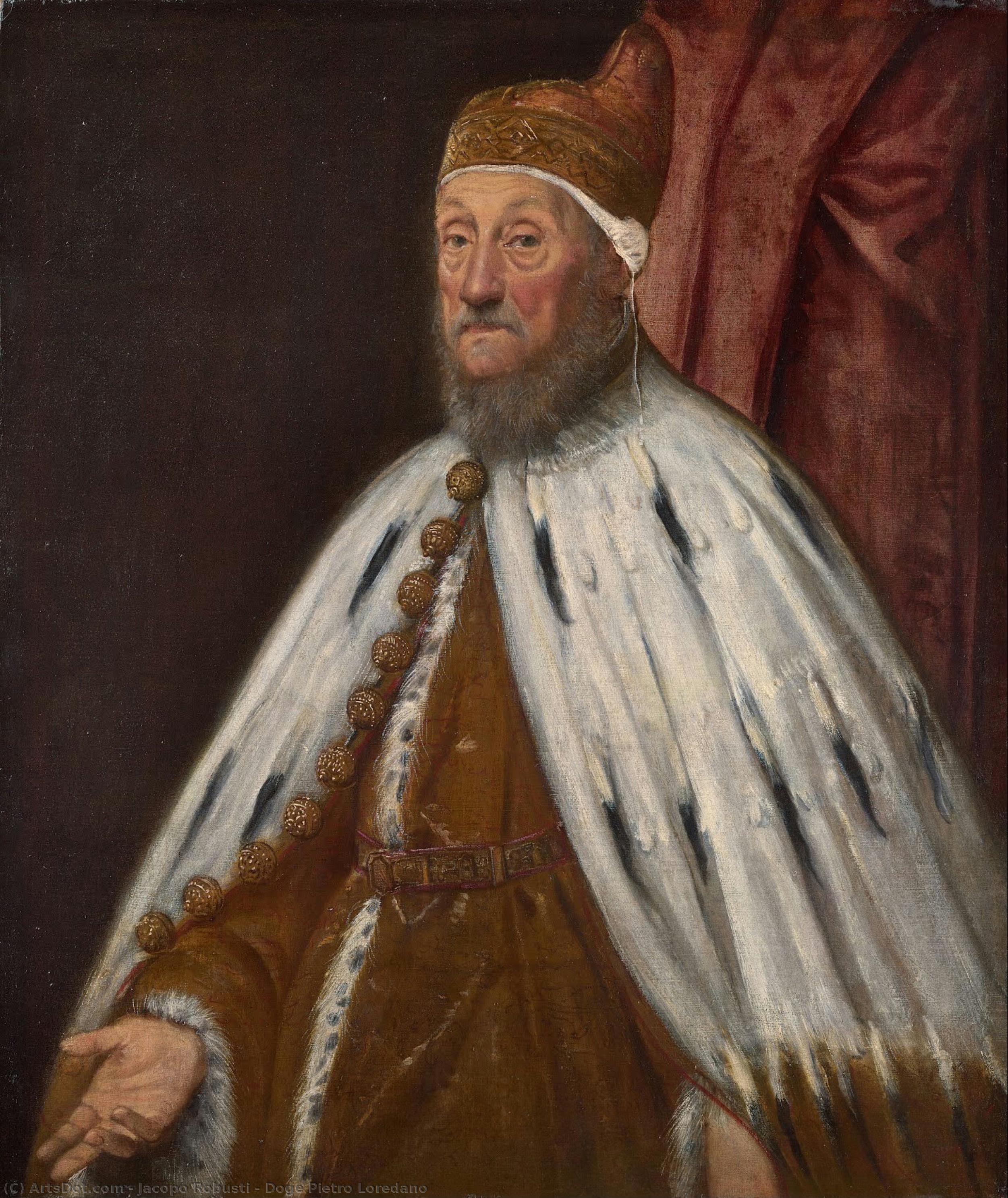
Jacopo Tintoretto’s 1570 portrait of Doge Pietro Loredano: a vulnerable yet powerful depiction in Venetian Renaissance style. Explore its unique reworking & historical significance.
Explore the bold brushwork & dramatic scenes of Jacopo Robusti (Tintoretto), a Venetian master known for his innovative compositions & influential legacy.
Explore Australian and global art at the NGV! Discover masterpieces, diverse collections & architectural wonders in Melbourne's cultural heart. A must-see destination.
A Doge in Transition: Tintoretto’s Portrait of Pietro Loredano
Jacopo Tintoretto's *Doge Pietro Loredano* (1570) is far more than a stately portrait; it’s a compelling study of power, age, and the anxieties of leadership during a period of Venetian decline. Painted with remarkable sensitivity, this work captures Doge Pietro Loredano – the elected ruler of Venice – not as an untouchable symbol of authority, but as a *vulnerable* man bearing the weight of immense responsibility. The painting’s power lies in its subtle departure from traditional court portraiture, revealing a psychological depth rarely seen at the time. Tintoretto, already established as a leading Venetian artist and court painter, skillfully balances formality with an intimate portrayal of his subject.
Technique & Style: A Masterclass in Venetian Painting
Tintoretto’s technique is immediately striking. He began by applying broad strokes of lead white directly onto a dark reddish-brown ground, creating a dramatic contrast and lending the portrait an ethereal quality. This approach, characteristic of his innovative style, diverges from the meticulous layering favored by earlier Renaissance masters like Titian (who Tintoretto succeeded as court painter). The visible brushwork, energetic yet controlled, contributes to the sense of immediacy and psychological realism. The painting exemplifies Venetian mastery of oil paint – utilizing thin glazes to build color and luminosity. X-radiography reveals that Tintoretto deliberately altered the initial composition, adjusting Loredano’s posture to emphasize his age and subtly diminishing the imposing grandeur typically associated with such portraits. This reworking is a testament to Tintoretto's artistic vision and willingness to prioritize emotional truth over rigid convention.
Historical Context & Symbolism
The late 16th century was a turbulent time for Venice. The Republic’s maritime dominance was waning, challenged by rising powers like the Ottoman Empire. Pietro Loredano assumed office during this period of uncertainty, and Tintoretto's portrait subtly reflects this anxiety. While Loredano is adorned in the ceremonial robes – including the distinctive *corno ducale* (doge’s crown) – his posture and expression convey a sense of weariness rather than unyielding authority. The rich attire itself symbolizes wealth and power, but it also serves as a visual reminder of the traditions and expectations placed upon the Doge. The portrait can be interpreted as a commentary on the burdens of leadership, hinting at the fragility of even the most powerful positions in a changing world.
Emotional Impact & Lasting Appeal
*Doge Pietro Loredano* resonates with viewers today because it transcends mere representation. It’s a deeply human portrait that invites contemplation on themes of power, mortality, and the passage of time. The Doge's contemplative gaze and subtly melancholic expression evoke empathy and understanding. This painting isn’t simply *about* a powerful man; it’s about the *experience* of being human, even – or perhaps especially – in positions of great responsibility. Its enduring appeal makes it a captivating addition to any collection, offering both historical insight and profound emotional resonance for art lovers and interior design enthusiasts alike.