A Dramatic Encounter: Tintoretto’s “Christ Before Pilate”
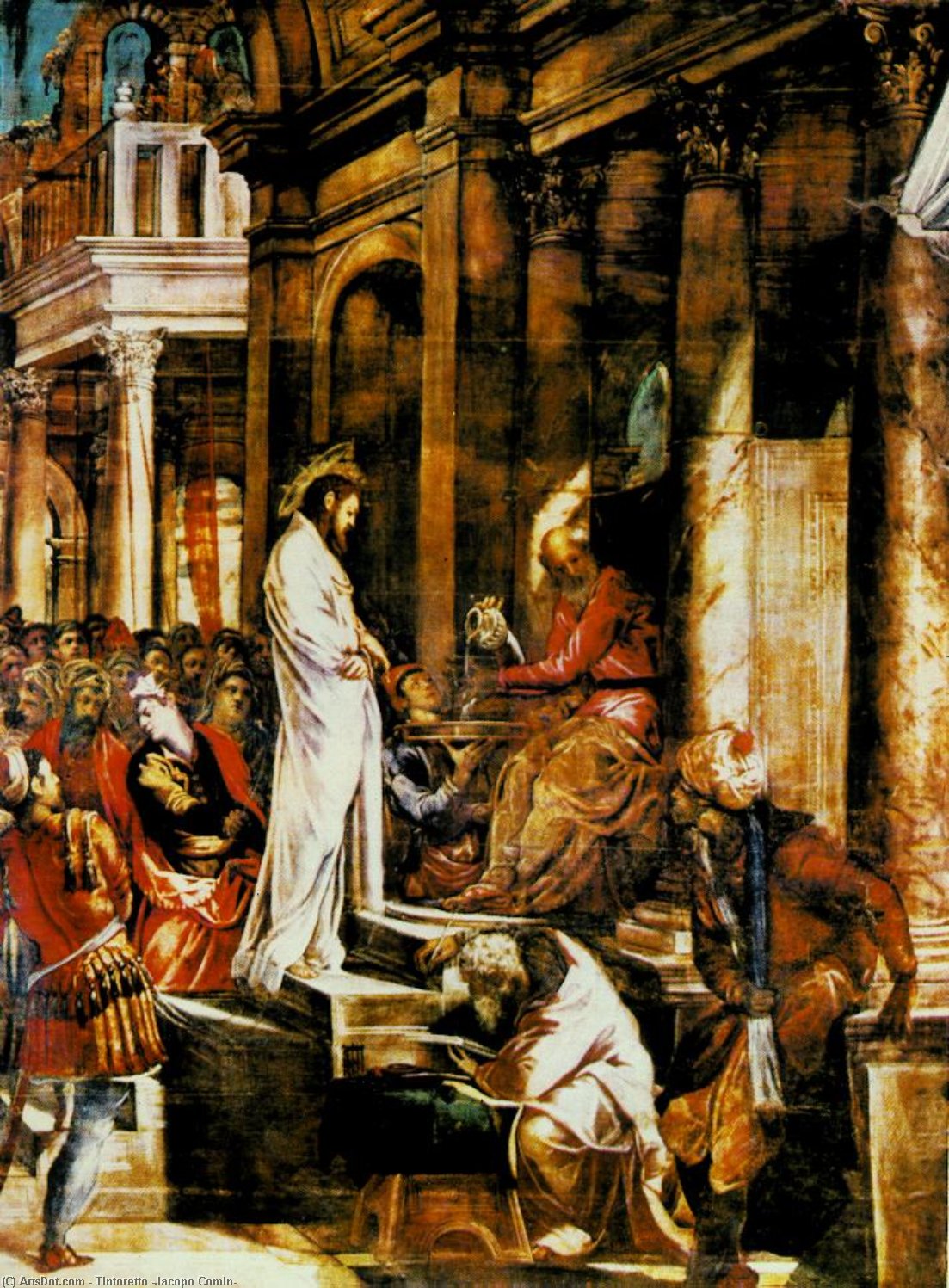
Tintoretto's "Christ Before Pilate," housed in the Sala dell'Albergo of Venice’s Palazzo Labia, stands as a cornerstone of Venetian Baroque art—a testament to Jacopo Robusti’s unparalleled mastery of dramatic lighting and psychological depth. Painted around 1560-63, this monumental canvas captures a pivotal moment from Holy Scripture: Jesus Christ facing the judgment of Pontius Pilate, symbolizing not merely religious piety but also the confrontation between divine righteousness and earthly authority.
- Subject Matter & Narrative The scene depicts Jesus calmly awaiting Pilate’s decision regarding his crucifixion. Tintoretto skillfully portrays the tension inherent in this situation, conveying both Christ's unwavering faith and Pilate’s reluctance to condemn him—a nuanced portrayal that transcends simple theological representation.
- Style & Technique: Tintoretto’s signature style is instantly recognizable through its dynamic composition and masterful use of chiaroscuro – the dramatic interplay between light and dark. He employs a technique known as quadratura, layering multiple perspectives to create an illusionistic space that envelops the viewer, enhancing the theatrical quality of the artwork.
- Historical Context: Venetian art during Tintoretto’s time was undergoing a profound transformation from Renaissance ideals toward Baroque exuberance. The Sala dell'Albergo itself reflects this stylistic shift—a grand interior designed to inspire awe and reverence—making “Christ Before Pilate” an ideal embodiment of the era’s artistic ambitions.
Symbolism & Color Palette
The painting’s color palette is deliberately restrained, dominated by earthy tones – browns and reds – reflecting the solemnity of the occasion. However, Tintoretto strategically employs splashes of crimson to highlight key figures, notably Pilate and several prominent onlookers, symbolizing power and judgment. The muted hues contribute to the overall atmosphere of seriousness and contemplation, reinforcing the painting’s moral message.
- Religious Significance: Beyond its depiction of a biblical narrative, “Christ Before Pilate” explores themes of faith, doubt, and sacrifice—questions that resonated deeply with audiences during Tintoretto's lifetime. The image serves as a reminder of humanity’s struggle to reconcile divine law with earthly desires.
- Compositional Drama: Tintoretto’s masterful arrangement of figures creates a palpable sense of movement and urgency. He utilizes converging lines to draw the viewer’s eye toward Christ, emphasizing his central role in the drama unfolding before him. This deliberate compositional strategy underscores the importance of confronting moral dilemmas.
Emotional Impact & Legacy
“Christ Before Pilate” continues to captivate viewers centuries after its creation due to its profound emotional resonance. Tintoretto’s ability to convey psychological complexity—the inner turmoil of Christ and the deliberateness of Pilate—elevates the artwork beyond mere visual spectacle. It remains a powerful symbol of spiritual conviction and a testament to Tintoretto's enduring influence on Baroque painting, inspiring artists and designers alike.