A Tempestuous Vision of Divine Grace: Exploring Tintoretto’s “Paradise”
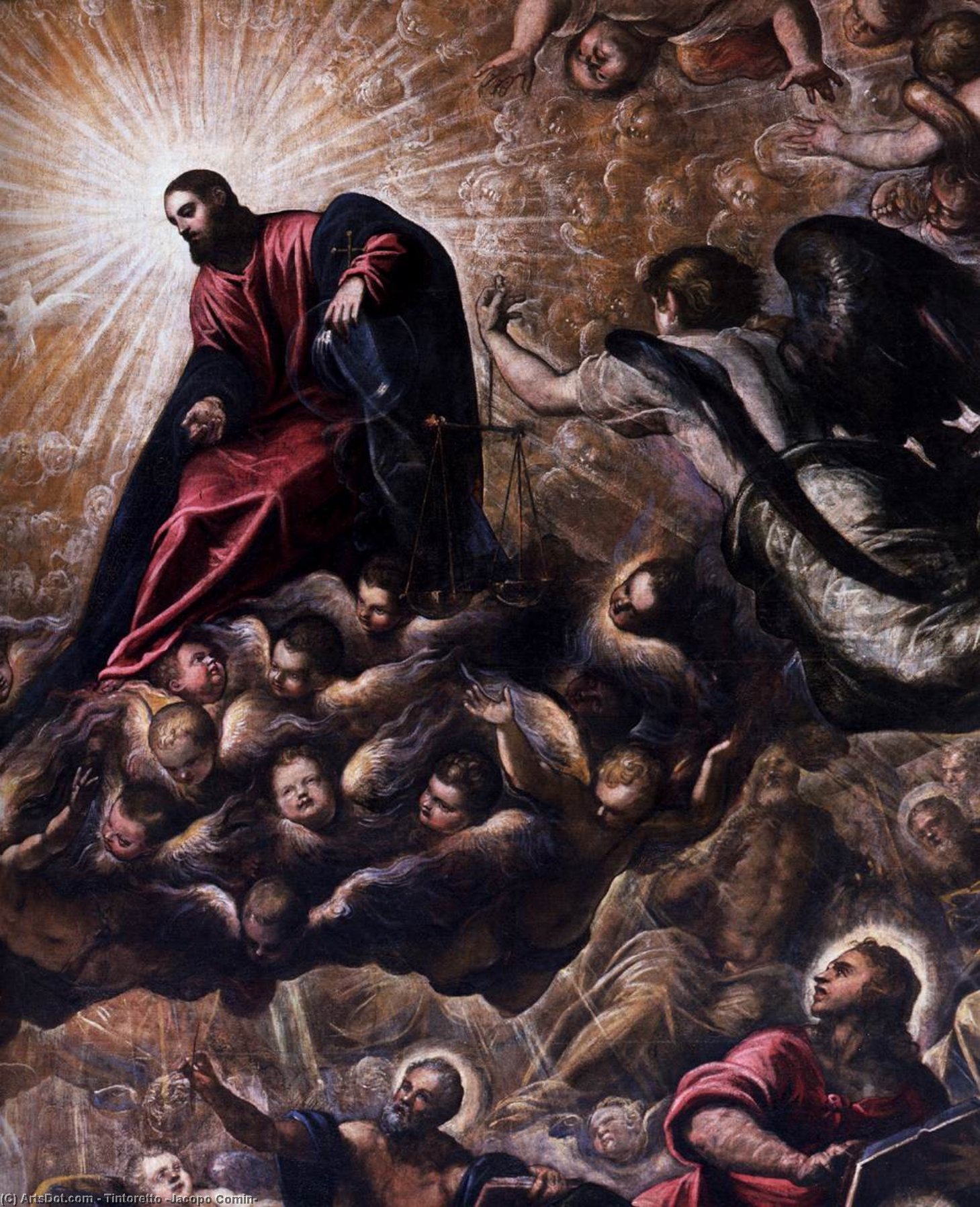
Jacopo Tintoretto's "Paradise," a detail from this monumental work, is not merely a depiction of biblical narrative; it’s an immersive experience. Born in Venice around 1518 and tragically passing away in 1594, Tintoretto was a master of dramatic lighting and composition, pushing the boundaries of Venetian painting into the nascent Baroque era. His life, marked by both acclaim and controversy – he famously clashed with his patrons – fueled an intensely personal and revolutionary artistic approach. This particular detail captures a pivotal moment within the larger scene: Christ’s descent from heaven, surrounded by angels and enveloped in a swirling vortex of light and emotion. The sheer scale of the original painting, likely intended for a grand altarpiece, is immediately apparent even in this intimate fragment; the figures seem to surge upwards, propelled by an unseen force.
Tintoretto’s technique here is breathtakingly dynamic. He employs a masterful use of *chiaroscuro*, contrasting intensely bright areas with deep shadows, creating a palpable sense of drama and movement. Note how the light seems to emanate directly from Christ himself, illuminating his face and hands as he reaches out towards his followers. The brushstrokes are loose and expressive, almost frantic in places – a deliberate choice that conveys the overwhelming power of this divine event. He utilizes a layering technique, building up color and detail through numerous thin glazes, resulting in a luminous quality rarely achieved by his contemporaries. The use of gold leaf, particularly evident in the halos surrounding the figures, further enhances the sense of sacredness and elevates the scene to an almost ethereal realm.
Symbolism Woven into a Heavenly Tapestry
Beyond its technical brilliance, “Paradise” is rich with symbolic meaning. The central figure of Christ embodies not just divine authority but also sacrifice and redemption. His posture – arms outstretched in a gesture of benediction – speaks to the promise of salvation offered to humanity. The angels, depicted as muscular and active participants, are not passive observers but rather conduits of God’s grace. Their outstretched hands represent both protection and invitation. The multitude of figures below, representing the faithful, underscores the universality of Christ's message. Even the clouds themselves – rendered with turbulent energy – symbolize the transition from earthly suffering to eternal bliss. The placement of a figure near the bottom left corner, partially obscured, hints at the potential for individual judgment, adding another layer of complexity to the scene.
The composition itself is carefully constructed to draw the viewer’s eye upwards towards Christ. Tintoretto utilizes converging lines and a dramatic pyramid structure to create a sense of depth and perspective, pulling us into this heavenly realm. The background fades into an indistinct haze, further emphasizing the central figures and their importance. It's a testament to Tintoretto’s skill that he manages to convey such monumental scale within a relatively small detail.
A Legacy of Dramatic Intensity
“Paradise” (detail) stands as a powerful example of Tintoretto’s unique artistic vision. His work, often characterized by its theatricality and emotional intensity, profoundly influenced generations of artists who followed. He rejected the static formality of the High Renaissance in favor of a dynamic, almost cinematic approach to painting – anticipating developments in Baroque art centuries before their time. The sheer energy and movement captured within this detail are captivating, inviting us to contemplate themes of faith, salvation, and the eternal promise of divine grace. ArtsDot’s meticulously crafted reproductions allow you to experience the full impact of Tintoretto's genius, bringing this extraordinary vision into your home or studio.