A Moment of Divine Serenity: The Altarpiece of the Virgin
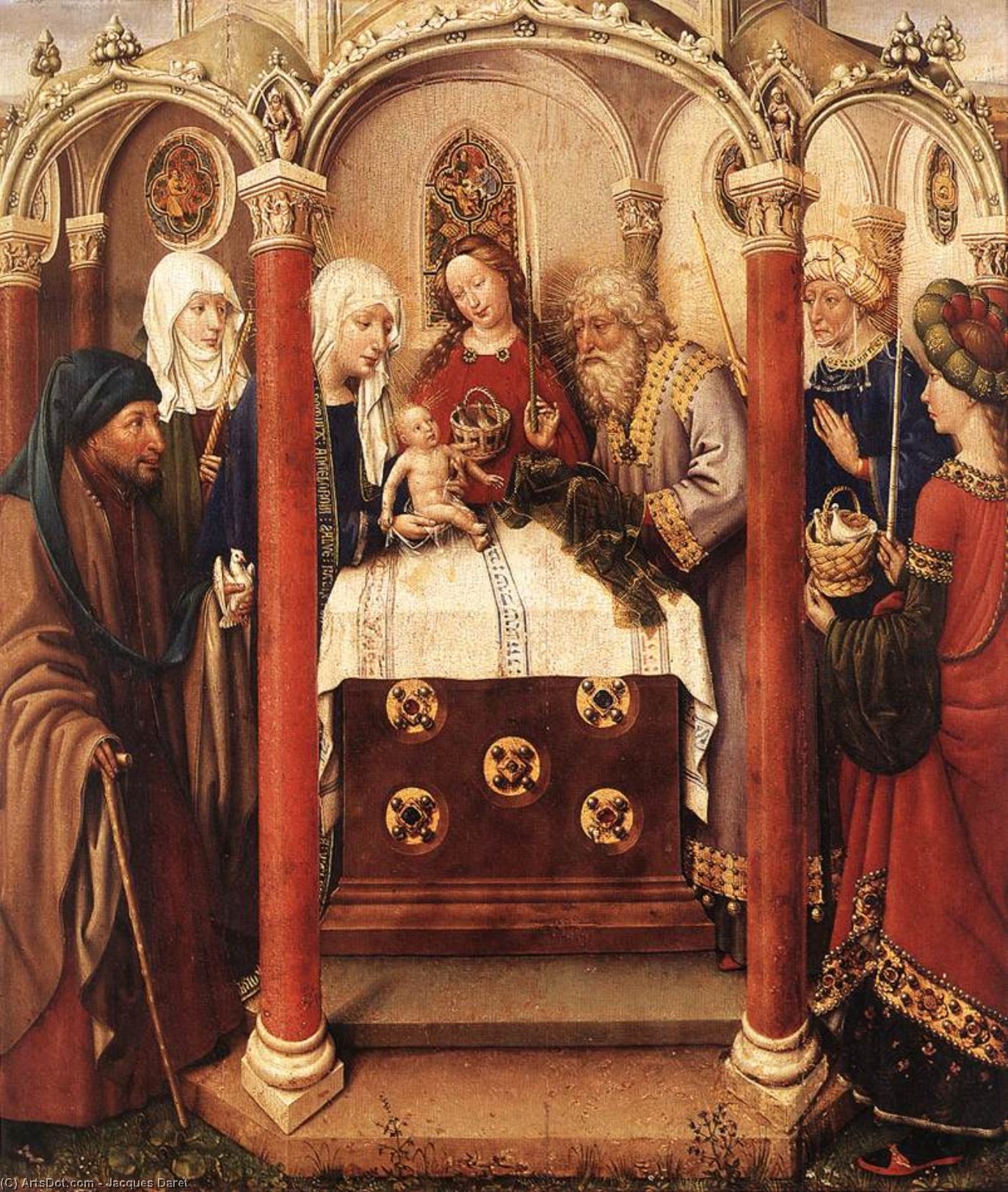
To gaze upon this Altarpiece of the Virgin is to step across the threshold of time and into a sacred, hushed moment of profound intimacy. Dating from 1433, this panel captures not merely a religious tableau, but a deeply human exchange rendered with exquisite piety. At its heart lies Mary, cradling the sleeping Christ Child—a vision of tender vulnerability juxtaposed against the grandeur of divine purpose. Her gaze, directed downward, seems to hold all the unspoken love and contemplation that defined early Renaissance spirituality. The composition is richly populated; flanking figures observe this central act, their presence lending a narrative weight to the quiet exchange between mother and son.
Architectural Grandeur and Devotional Setting
The setting itself speaks volumes about the patronage and purpose of such an object. Framed by an ornate backdrop suggesting a magnificent church or cathedral, the architecture—with its visible arches and stately pillars—elevates the scene from a simple portrait to a monumental devotional experience. These structural elements do more than simply frame; they anchor the divine narrative within a recognizable, earthly space of worship. Notice also the careful placement of symbolic objects, such as the two vases positioned near the center-right and on the right edge. Such details were never accidental in art of this period; they invite the viewer to contemplate deeper meanings woven into the very fabric of the composition.
Mastery of Early Renaissance Technique
The hand that painted this work, attributed to Jacques Daret, showcases a remarkable transition in artistic technique. While rooted in the devotional intensity of the late Gothic period, there is an emerging sense of naturalism and structural clarity hinting at the Renaissance revolution just around the corner. The handling of light across Mary’s drapery and the soft modeling of the sleeping infant demonstrates a sophisticated understanding of form and shadow. For those who appreciate fine craftsmanship, this piece offers a tangible connection to the meticulous artistry achieved before the full flowering of High Renaissance ideals—a period defined by profound humanism tempered by deep faith.
Symbolism and Emotional Resonance for the Modern Collector
This altarpiece resonates with universal themes: motherhood, sacrifice, and eternal peace. The sleeping Christ Child is a potent symbol of both divine potential and earthly rest, while Mary embodies compassionate contemplation. For the collector or designer seeking an object that transcends mere decoration, this piece offers profound emotional depth. Reproducing such a work allows one to bring home not just paint on wood, but a palpable sense of historical reverence and quiet contemplation. It serves as a magnificent focal point, lending an air of timeless dignity and cultured spirituality to any interior space.