A Monument to Grief: Examining Jacques Louis David’s “The Death of Marat”
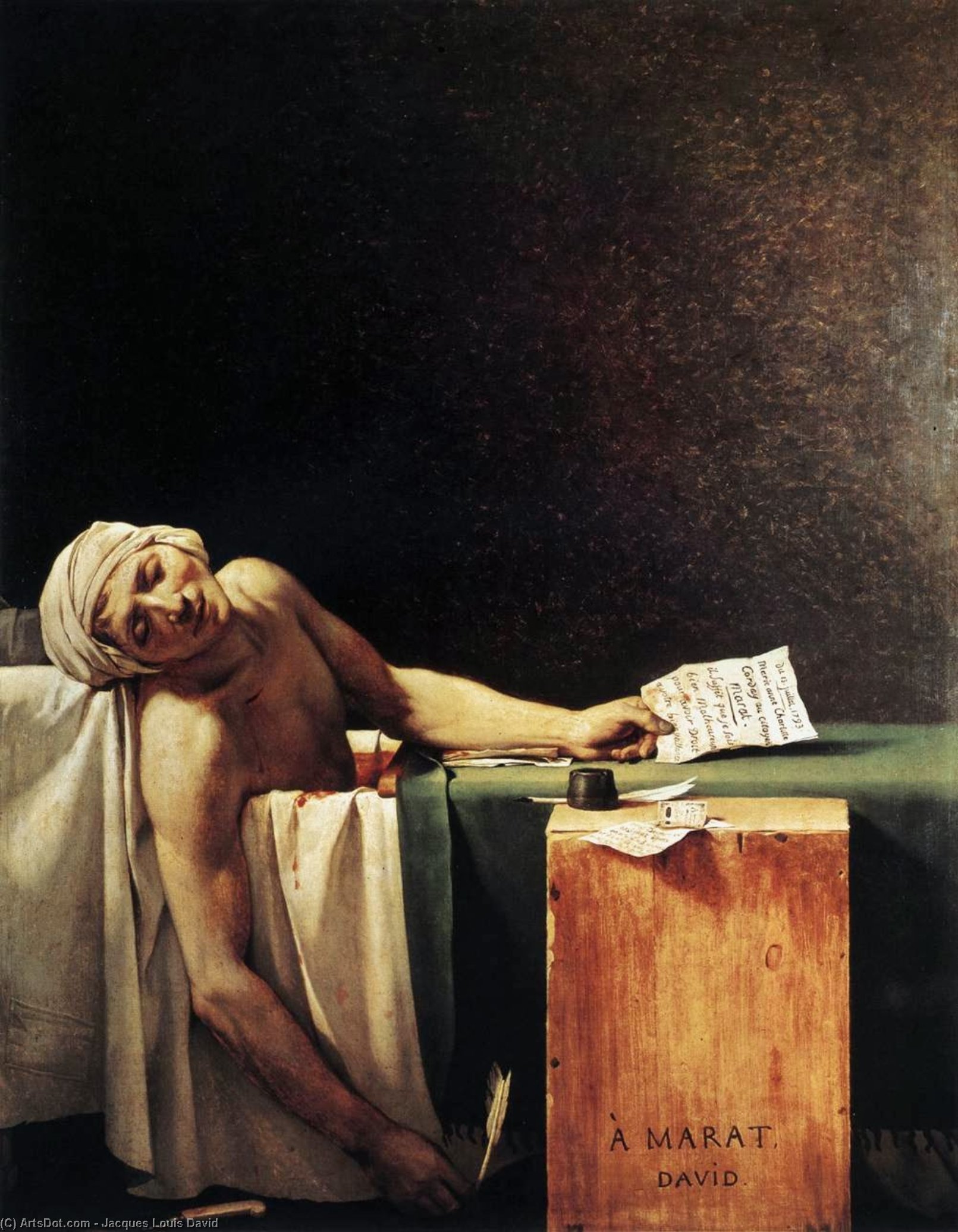
David's "The Death of Marat," completed in 1793, stands as one of the most iconic images of the French Revolution. More than just a depiction of death—though undeniably visceral—it’s a carefully constructed tableau designed to galvanize public opinion and solidify Jean-Paul Marat’s legacy as a martyr for liberty. The painting captures Marat's final moments, slumped on his bed in Aix-en-Provence, where he sought refuge from Parisian assassins following the assassination attempt against Georges Danton. David meticulously recreated the scene based on eyewitness accounts, striving for an unflinching realism that contrasted sharply with the decorative excesses of the preceding Rococo era.
- Style and Technique: Neoclassical Precision
- David adhered rigorously to classical principles—proportion, balance, and idealized form—reflecting Enlightenment ideals of rationality and moral seriousness. He employed a masterful glazing technique, layering thin washes of color over a toned ground to achieve luminous effects and subtle gradations of light and shadow. This meticulous approach ensured that every detail contributed to the overall impact of the composition.
Historical Context: Propaganda and Remembrance
The painting’s significance extends far beyond its artistic merits; it functioned as a powerful instrument of propaganda during the turbulent months following Marat's assassination. David, a staunch supporter of Robespierre and the Reign of Terror, aimed to elevate Marat’s image as a heroic figure—a victim of political violence who sacrificed his life for the cause of republican ideals. The inclusion of Marat’s bloodstained shirt and quill pen served as potent symbols of martyrdom and underscored the urgency of defending liberty against its enemies. It was intended to stir patriotic fervor and persuade viewers to embrace Robespierre's uncompromising stance.
- Symbolism: The Shirt, Quill Pen, and Books
- Each element within the painting carries symbolic weight. Marat’s shirt—stained with blood—represents his vulnerability and sacrifice. The quill pen symbolizes his role as a journalist and writer, disseminating revolutionary ideas through pamphlets and newspapers. Surrounding him are books, representing knowledge and enlightenment – values championed by David and crucial to the intellectual fervor of the Revolution.
Emotional Impact: Confronting Mortality and Idealizing Suffering
“The Death of Marat” transcends mere visual representation; it confronts viewers with the stark reality of death while simultaneously elevating suffering into an honorable pursuit. David’s deliberate use of chiaroscuro—the dramatic contrast between light and dark—intensifies the emotional impact, drawing attention to Marat's lifeless body and conveying a profound sense of grief and pathos. The painting compels contemplation on themes of heroism, sacrifice, and the moral dilemmas inherent in revolutionary fervor. It remains a haunting reminder of the human cost of political upheaval and continues to inspire artists and audiences alike.
- Interior Decoration Considerations: Bringing David’s Vision Home
- For interior designers seeking inspiration, “The Death of Marat” offers a compelling dialogue between classical elegance and emotional depth. Its muted palette—dominated by browns and reds—harmonizes beautifully with earthy tones and creates a contemplative atmosphere. Reproductions can serve as striking focal points in formal living rooms or bedrooms, prompting reflection on themes of history, morality, and the enduring power of art to evoke profound emotion.