Introduction to the Painting and Artist
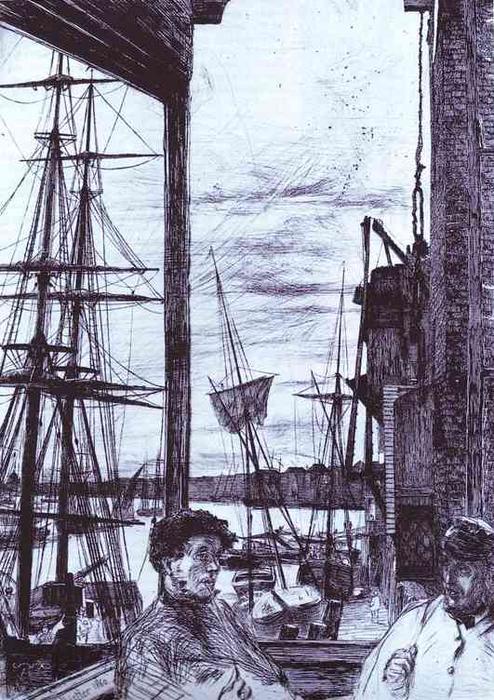
James Abbott McNeill Whistler's Rotherhithe is a remarkable example of the artist's mastery of Tonalism, an American art movement that emerged in the 1880s. The painting showcases Whistler's unique ability to convey mood and atmosphere through tonal values and muted colors (
). Background of Rotherhithe
Rotherhithe is a district in southeast London, located on the south bank of the Thames. The area has a rich maritime history and was once home to shipyards, docks, and warehouses (). Whistler's painting captures the essence of this historic district with its soft, muted colors and limited palette. Tonalism in Rotherhithe
In Rotherhithe, Whistler employs a tonalist approach by using a limited color palette and focusing on mood and atmosphere over detail. The painting features soft, muted colors, with the majority of the canvas dominated by shades of gray and silver. This creates an overall sense of calm and tranquility, allowing the viewer to fully immerse themselves in the scene. Whistler's Influence on Tonalism
James Abbott McNeill Whistler was a key figure in the development of Tonalism, with his innovative use of color and tonal values influencing many artists within the movement (). His contributions to Tonalism can be seen not only in Rotherhithe, but also in other notable works such as Gray and Silver, Mist - Lifeboat (). Conclusion
James Abbott McNeill Whistler's Rotherhithe is a captivating example of Tonalism, showcasing the artist's mastery of mood and atmosphere through tonal values and muted colors. The painting offers viewers an opportunity to immerse themselves in the rich history and maritime heritage of Rotherhithe, making it a valuable addition to any art collection (). Discover more hand-made oil paintings reproductions from James Abbott McNeill Whistler and other renowned artists at ArtsDot.com.