A Glimpse into the Soul of the Northern Renaissance
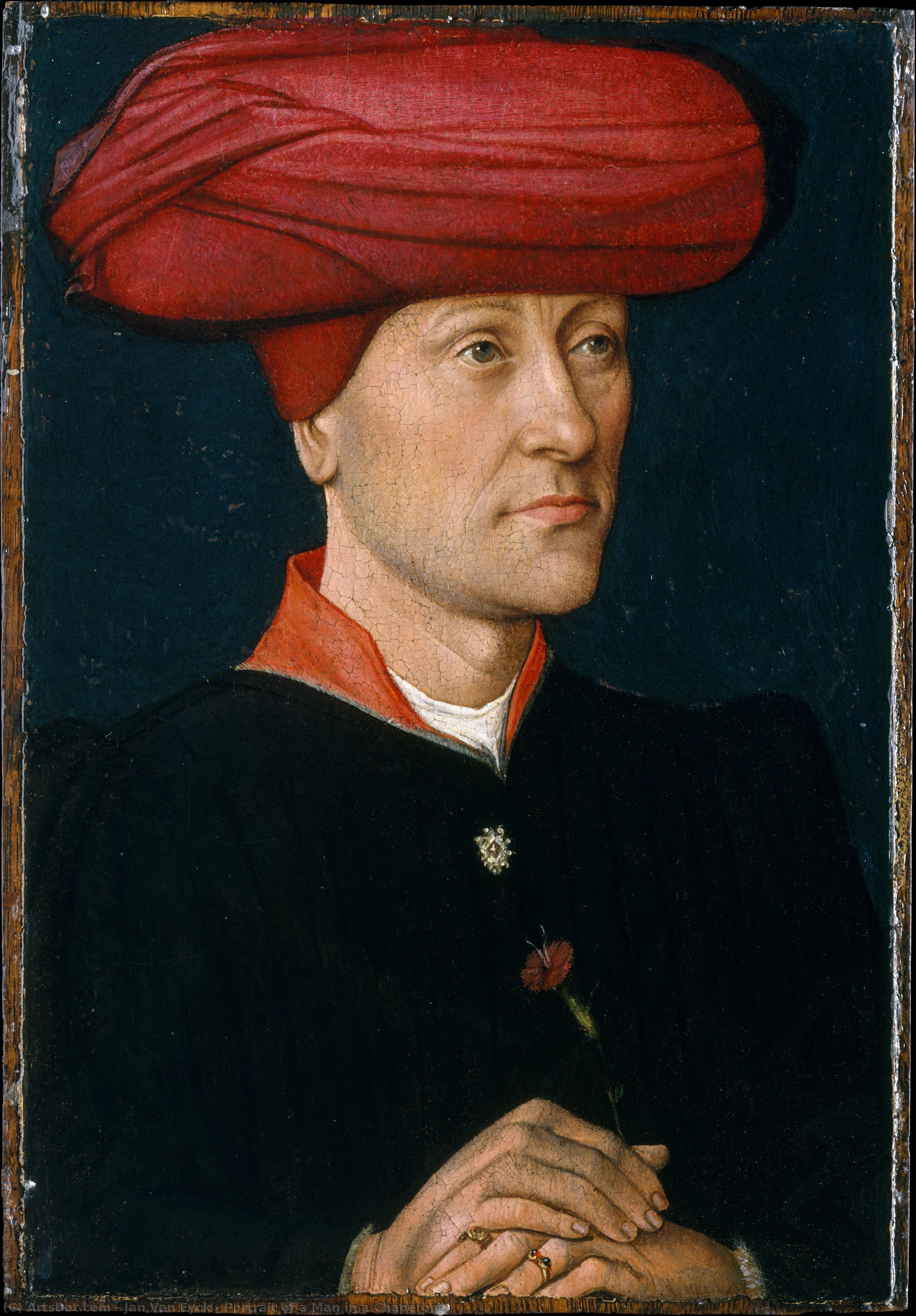
In the quiet intimacy of Jan van Eyck’s Portrait of a Man in a Chaperon, we encounter more than just a painted likeness; we enter a profound moment of human connection frozen in time. This masterpiece of Early Netherlandish realism serves as a window into the mid-15th century, capturing an unidentified gentleman with such startling precision that his presence feels almost palpable. The sitter, adorned in the fashionable red chaperon of the 1440s, gazes with a subtle, contemplative intensity that invites the viewer to wonder about his identity and his station in life. There is a quiet dignity in his posture, a stillness that commands respect and evokes a sense of timelessness, making this work an extraordinary centerpiece for any collection that values depth and historical resonance.
The brilliance of Van Eyck lies in his revolutionary command of the oil medium, a technique that allowed him to achieve textures and light effects previously unimaginable. As one examines the painting, the eye is drawn to the meticulous rendering of the man's attire—the heavy black fabric of his jacket, the delicate hint of grey fur at his collar, and the vibrant, sculptural folds of his crimson headgear. Through the masterful use of sfumato and subtle tonal gradations, Van Eyck creates an illusion of three-dimensional depth, pulling the subject forward from the dark, enigmatic blue background. For the discerning collector or interior designer, this interplay of light and shadow offers a sophisticated visual texture that brings a sense of luxury and intellectual weight to a curated space.
Symbolism and the Language of Devotion
Beyond its technical prowess, the portrait is steeped in a rich tapestry of symbolic meaning. A particularly enchanting detail is the delicate flower—a carnation or pink—held within the man's hand. In the iconographic language of the Renaissance, this bloom was far more than a mere botanical study; it served as a potent emblem of marital love and fidelity. This inclusion suggests a poignant narrative, hinting that this portrait may have once been part of a pair, designed to stand alongside a portrait of a beloved spouse. Such layers of meaning transform the painting from a simple portrait into a poetic meditation on human relationships and enduring devotion.
Every element, from the glint of light on a ring to the precise texture of the skin, contributes to an emotional impact that is both grounding and transcendent. The work does not merely represent a man; it captures the very essence of humanism—the Renaissance ideal of celebrating individual experience and earthly beauty. For those seeking to adorn their homes with art that inspires conversation and reflection, this reproduction offers a rare opportunity to possess a fragment of history. It is a piece that breathes life into a room, providing a focal point of profound elegance and an enduring connection to the dawn of modern painting.