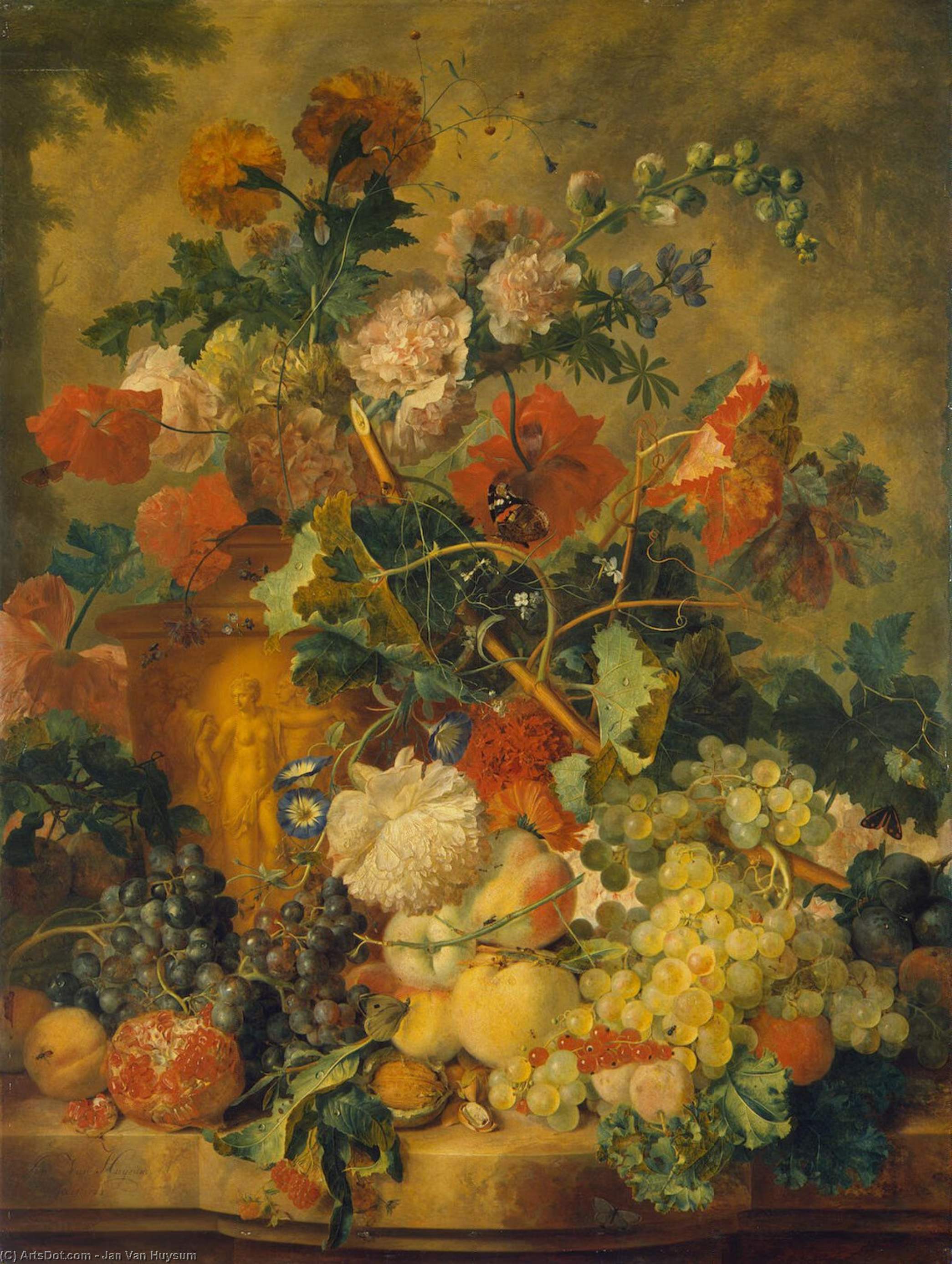
Delicate Dutch Baroque floral painting by Jan van Huysum captures fleeting beauty with masterful illusionism—layered glazes reveal astonishing realism in this stunning 80 x 61 cm masterpiece housed in Amsterdam’s Rijksmuseum.
Jan van Huysum (1682-1749): Explore the exquisite Dutch still life paintings of flowers & fruit by this Golden Age master, renowned for detail and elegance.
Explore the Hermitage Museum in St. Petersburg! Discover masterpieces from Renaissance to modern times within stunning historic palaces – a cultural journey awaits.
A Symphony of Color and Texture: Jan van Huysum’s ‘Flowers and Fruit’
Jan van Huysum's “Flowers and Fruit,” completed in 1723, stands as a quintessential exemplar of Dutch Baroque floral painting—a genre that flourished during the opulent reign of William III. More than just a depiction of botanical specimens, this artwork embodies the artistic ideals of its time: meticulous observation, masterful illusionism, and an unwavering commitment to capturing the ephemeral beauty of nature. Measuring 80 x 61 cm, it’s housed in the Rijksmuseum Amsterdam, where visitors can marvel at the artist's unparalleled skill in rendering textures and hues with breathtaking accuracy.
The Artist’s Legacy: A Family Tradition
Born in Amsterdam in 1682 into a family steeped in artistic heritage—his father, Justus van Huysum the Elder, was himself a celebrated flower painter—Jan van Huysum benefited from an exceptional formative education. This familial influence instilled not only technical proficiency but also a profound appreciation for the art of illusionism, a technique central to Baroque painting’s ambition to transcend mere representation and evoke emotion. Like his brothers Jacob and Michiel, Jan pursued artistic endeavors with unwavering dedication, establishing himself as one of the foremost floral artists of his era.
Technical Brilliance: Mastering Illusionistic Painting
Van Huysum's approach to composition was revolutionary for its time. Rather than presenting flowers in a static arrangement, he sought to convey their dynamism—the subtle movements of petals fluttering in the breeze and droplets clinging to velvety surfaces. This was achieved through painstaking layering of glazes – thin translucent coats of paint applied over multiple layers – creating an astonishingly realistic effect that deceived the eye into perceiving depth and luminosity. The artist’s meticulous attention to detail extended beyond color; he painstakingly recreated textures—the smooth sheen of ripe peaches, the delicate fuzziness of rose petals—further enhancing the artwork's immersive quality.
Symbolism Within Beauty: Reflecting Enlightenment Ideals
“Flowers and Fruit” transcends mere visual splendor; it carries symbolic weight rooted in the intellectual currents of the Enlightenment. Flowers frequently represented purity, grace, and fertility – concepts deeply valued during this period of philosophical inquiry and scientific advancement. The inclusion of fruits—particularly grapes—symbolized abundance and prosperity, mirroring the economic success enjoyed by Dutch merchants and reflecting a broader optimism about the future. Furthermore, the careful arrangement of elements speaks to the Baroque fascination with order and harmony, mirroring the humanist ideals that championed reason and observation as pathways to understanding the natural world.
A Timeless Impression: Emotional Resonance
The enduring appeal of “Flowers and Fruit” lies in its ability to transport viewers back to 18th-century Amsterdam—a city brimming with artistic fervor and intellectual curiosity. The artist’s masterful rendering of light and color evokes a palpable sense of tranquility and delight, inviting contemplation on the fleeting beauty of existence. It's a piece that speaks to our innate fascination with nature’s artistry and reminds us of the power of art to capture not just what we see but also how we feel—a testament to Jan van Huysum’s enduring legacy as one of the greatest floral painters in history.